The Role of Translucent Orange PVC Film in Durable and Attractive Food Packaging Solutions
Автор: TopLeader Plastic
Загружено: 2025-04-20
Просмотров: 97
Описание:
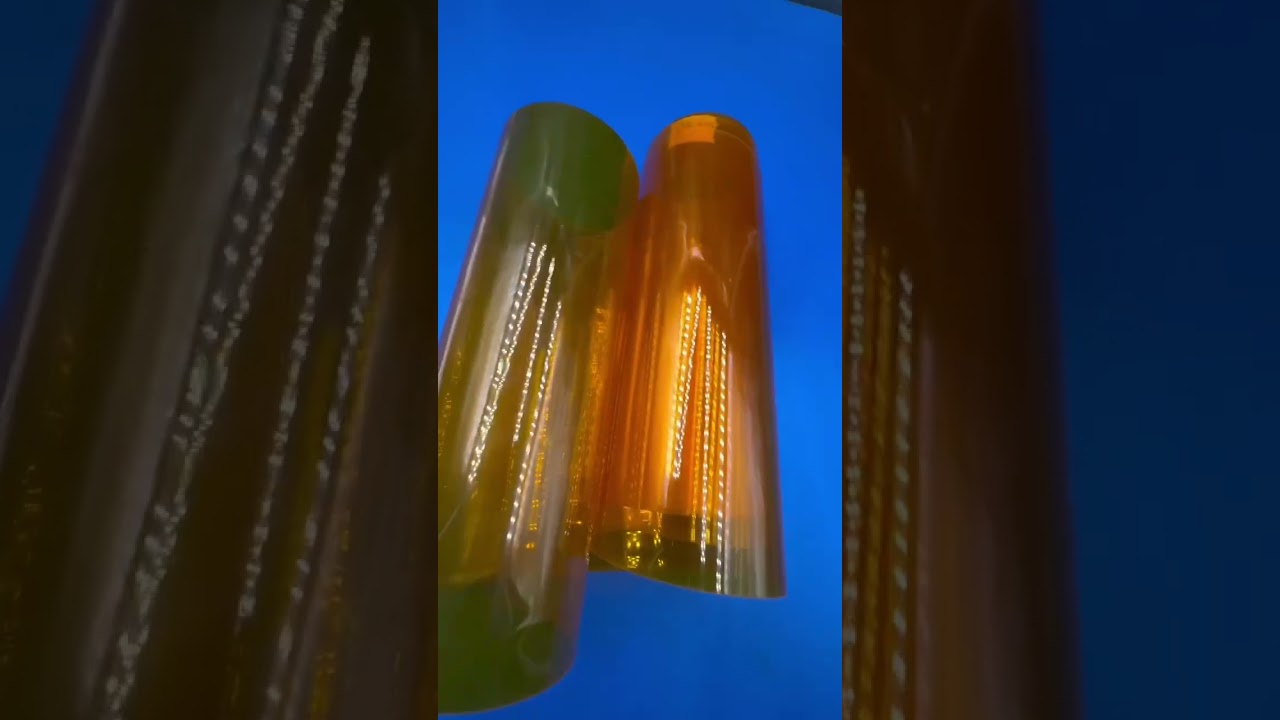
Polyvinyl chloride (PVC) film, particularly in its translucent orange form, is a versatile and visually striking material widely used in the food packaging industry. Renowned for its durability, flexibility, and aesthetic appeal, translucent orange PVC film is a preferred choice for applications such as liquid packaging, dry food packaging, and abrasion-resistant packaging. Its unique combination of functional properties and vibrant coloration makes it stand out in both practical and marketing contexts. This article explores the characteristics of translucent orange PVC film and its critical applications in food packaging, highlighting its advantages, challenges, and future potential with evidence-based insights and vivid examples.
Characteristics of Translucent Orange PVC Film
Translucent orange PVC film is a thermoplastic material derived from vinyl chloride monomers, often enhanced with plasticizers, stabilizers, and pigments to achieve its distinctive properties. Below, we examine its key characteristics that make it suitable for food packaging:
Vibrant Translucency and Aesthetic Appeal
The translucent orange hue of PVC film offers a visually appealing balance between transparency and opacity. Unlike fully transparent films that reveal all contents or opaque films that conceal them, translucent orange PVC film provides a warm, inviting glow that enhances product visibility while masking minor imperfections. This aesthetic quality is particularly valuable for liquid packaging, such as juice bottles or beverage pouches, where the orange tint can evoke freshness and vibrancy, aligning with brand identities for citrus-based or tropical products. Studies on consumer behavior suggest that colorful packaging, like orange PVC film, can increase shelf appeal and influence purchasing decisions by up to 30%.
Flexibility and Formability
PVC film is highly flexible, thanks to the addition of plasticizers, which allow it to be molded into various shapes, such as pouches, bottles, or wraps. This flexibility makes it ideal for liquid packaging, where containers must conform to ergonomic designs or withstand squeezing without cracking. For dry food packaging, PVC film’s formability enables the creation of vacuum-sealed bags or resealable pouches that protect contents from external forces. Its ability to be thermoformed also supports the production of rigid trays or clamshells for durable packaging.
Abrasion Resistance and Durability
Translucent orange PVC film is known for its excellent abrasion resistance, making it suitable for packaging that undergoes rough handling during transportation or retail display. Its tough surface resists scratches, scuffs, and wear, ensuring that packaging remains visually appealing and functional throughout its lifecycle. For example, PVC film used in dry food packaging, such as snack bags, maintains integrity even when stacked or jostled, protecting contents from damage. Research indicates that PVC film can withstand up to 20% more surface wear than polyethylene (PE) films in similar applications.
Moisture and Chemical Resistance
PVC film offers robust resistance to moisture, oils, and chemicals, making it an excellent choice for liquid and dry food packaging. Its low permeability to water vapor ensures that dry foods, such as cereals or spices, remain crisp and free from moisture-induced spoilage. For liquid packaging, PVC film prevents leaks and resists degradation from acidic or oily contents, such as fruit juices or sauces. According to industry standards, PVC film meets FDA and EFSA requirements for food contact, ensuring safety when used within specified temperature and chemical exposure limits.
Barrier Properties
While PVC film is not as effective as materials like ethylene vinyl alcohol (EVOH) for oxygen barrier properties, it provides adequate protection against moisture and grease, which is critical for food preservation. To enhance its barrier performance, PVC film is often laminated with other materials, such as polyethylene terephthalate (PET) or aluminum foil, creating multilayer structures that extend shelf life. For instance, laminated PVC film used in liquid pouches can achieve oxygen transmission rates (OTR) as low as 10 cc/m²/day, suitable for sensitive products like dairy-based beverages.
Cost-Effectiveness and Printability
PVC film is relatively inexpensive to produce, thanks to efficient manufacturing processes like calendering or extrusion. Its cost-effectiveness makes it a popular choice for mass-market products, such as single-serve snack packs or beverage pouches. Additionally, PVC film’s smooth surface is highly printable, allowing for vibrant graphics, barcodes, or nutritional information to be applied directly onto the packaging. This enhances brand visibility and consumer engagement, particularly for dry food products displayed on crowded retail shelves.
Recyclability Challenges and Sustainability
Повторяем попытку...
Доступные форматы для скачивания:
Скачать видео
-
Информация по загрузке: