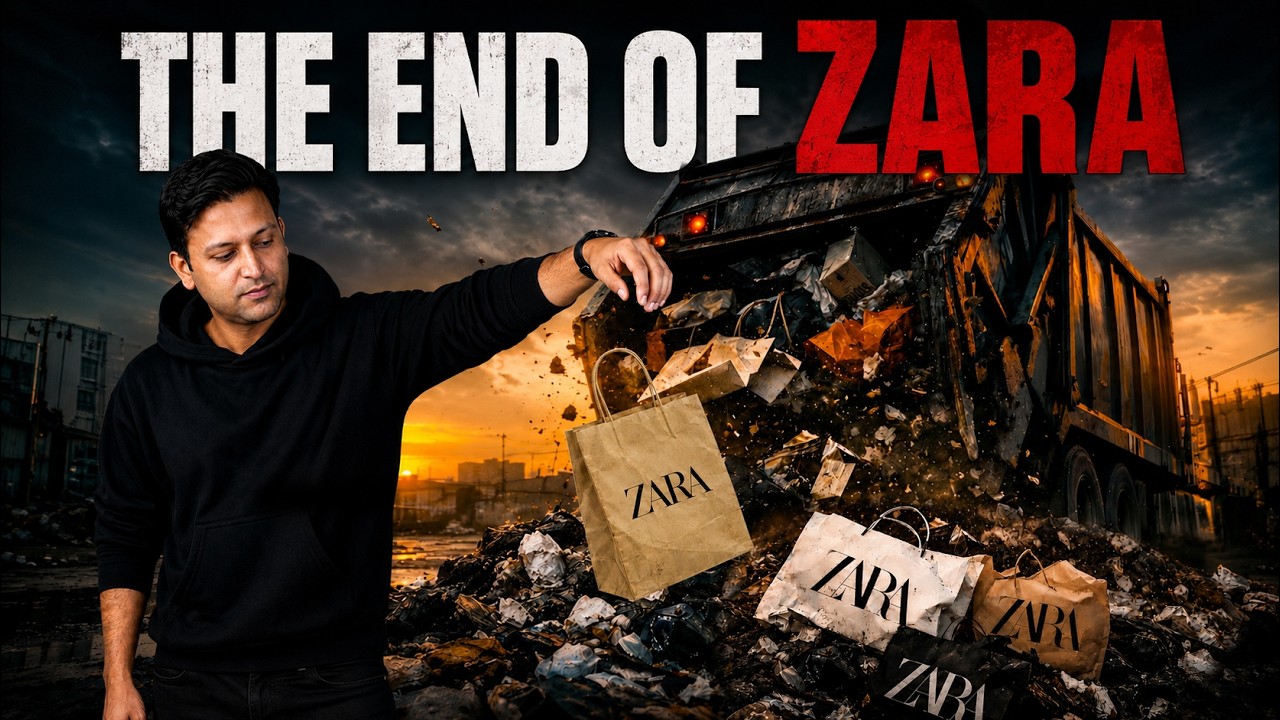
India's Most Overrated Fashion Brand is Finally Dying
Автор: Think Wings
Загружено: 2026-06-13
Просмотров: 20009
Описание:
Something massive is happening in India's fashion industry and nobody is talking about it. Zara, the global fast fashion giant backed by Spain's Inditex and operated through a joint venture with Tata's Trent Ltd, just reported a devastating 32% crash in profit for FY26, dropping from ₹299 crore to just ₹204 crore. But here's what's even more alarming — Zara India's revenue has essentially been frozen for the last two years, stuck around ₹2,750 crore while the Indian fashion market is exploding around it. With only 22 stores and zero expansion energy, the once-untouchable brand is clearly losing its grip on the Indian consumer.
So who exactly filled Zara's spot in your wardrobe? The answer might surprise you. Tata's own Zudio, the budget fashion powerhouse, has quietly crossed $1 billion in sales with over 765 stores across India, generating nearly three times Zara's revenue. Zudio added 220 new stores in a single year while Zara couldn't even add one. Then there's Snitch, often called the "Zara of India," which crossed ₹520 crore in revenue with weekly fashion drops that Gen Z and millennials absolutely love. Brands like Bewakoof, The Souled Store, and dozens of D2C fashion startups are rewriting the rules of Indian fashion retail, offering trendy styles at prices that make Zara look like a luxury brand nobody asked for.
Meanwhile, UNIQLO is aggressively expanding in India with a 44% year-on-year growth rate and a target of ₹3,000 crore revenue by 2028. Their "LifeWear" philosophy of functional, quality basics at fair prices is resonating deeply with the Indian middle class in ways that Zara's overpriced fast fashion simply cannot match anymore. Even H&M is struggling globally with flat revenues, proving this isn't just a Zara problem — it's a fundamental shift in how Indian consumers think about fashion, value, and brand loyalty.
The real story here is the transformation of the Indian consumer mindset. Young India doesn't want to pay ₹3,000 for a basic shirt just because it has a foreign label. The rise of homegrown brands, the D2C revolution powered by Instagram and social media marketing, and the entry of value-fashion players have completely disrupted the market. Tier 2 and Tier 3 cities are driving fashion consumption, and these consumers want style without the premium price tag. Zara's model of importing everything from Spain while charging European prices in an Indian market that has mastered affordable fashion is becoming increasingly unsustainable.
Interestingly, even Trent Ltd has been reducing its stake in the Zara joint venture, going from 49% down to just 20%. It seems like even Tata can see the writing on the wall — the future of Indian fashion isn't imported, it's homegrown. This is a masterclass in how global brands can lose relevance when they fail to adapt to local market dynamics. Whether you're interested in business strategy, fashion industry trends, or startup opportunities in India's booming retail space, this story has critical lessons about consumer behavior, market disruption, and the power of understanding your audience.
Subscribe @ThinkWings for business wisdom and startup insights that go beyond the viral headlines! 🚀📈💡
#zara #indianfashion #zudio #fashionindustry #d2cbrands #snitch #uniqlo #fastfashion #fashionbrand #tata #inditex #trent #businesscasestudy #fashiontrends2026 #prakashsolanki #casestudy #businessstrategy #thinkwings #consumerbehavior
Повторяем попытку...
Доступные форматы для скачивания:
Скачать видео
-
Информация по загрузке: