The Story of Mary Anderson: Through the Glass, Clearly
Автор: Brian D'Ambrosio
Загружено: 2025-10-07
Просмотров: 66
Описание:
Through the Glass, Clearly: The Story of Mary Anderson
By Brian D'Ambrosio
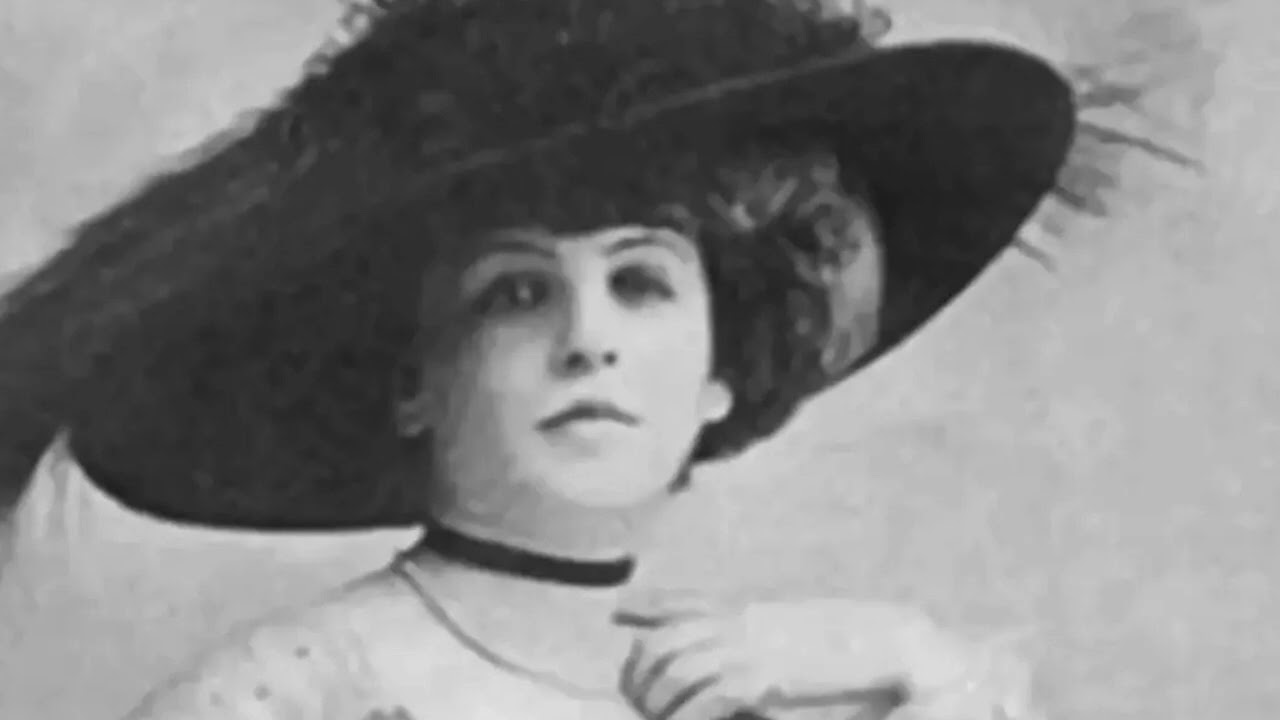
On a wintry New York afternoon in the early 1900s, a visiting Southerner boarded a streetcar and watched with curiosity as the driver battled against the weather. Snow and sleet clung to the windshield, blinding his view until he either stopped to scrape away the mess by hand or leaned dangerously out of the cab. The passengers fared no better, squinting at streaked panes or enduring the cold drafts that slipped in when the window was propped open.
Mary Anderson, an Alabama native, was not content to accept the ritual. Why, she wondered, should the driver have to suffer at all? Would it not be possible to clear the glass without leaving the seat? By the time she returned home, she had drafted sketches of a spring-loaded arm fitted with a rubber blade—what the world would eventually know as the windshield wiper.
She would never profit from the idea. Yet each time wipers swish across a windshield today, they echo the ingenuity of a woman whose imagination kept pace with modernity.
Roots in the South
Mary Elizabeth Anderson was born on February 19, 1866, in Greene County, Alabama, less than a year after the Civil War ended. Her parents, John C. and Rebecca Anderson, operated the Burton Hill plantation. When her father died in 1870, her mother assumed the burdens of raising Mary and her sister Fannie while managing the land.
In 1889, the family moved to Birmingham and constructed the Fairmont Apartments, a building that provided both residence and rental income. This real estate venture gave Anderson financial stability and a measure of independence—an unusual footing for a woman at the turn of the century.
But she was not one to stay put. In her late twenties she relocated to Fresno, California, where she ran a vineyard and cattle ranch. Few details survive from those years, yet the move alone testifies to her resolve and adaptability. By the late 1890s she had returned to Birmingham, where she helped care for an ailing aunt. After the aunt’s death, trunks filled with valuables provided the family a comfortable inheritance—resources that would later make travel, and invention, possible.
A Traveler’s Epiphany
Around the winter of 1902–1903, Anderson set off for New York City, eager to explore its museums, monuments, and rising skyline. The city’s bustle thrilled her, but one nuisance caught her attention: the streetcar motorman’s constant struggle to see through storm-smeared glass. Keep the windshield up, and snow quickly obscured the view; fold it down, and icy air blasted inside.
Anderson studied the problem not with resignation but with curiosity. Back home, she sketched a device consisting of a lever inside the vehicle that controlled a spring-loaded arm. A rubber blade, pressed firmly against the window by a counterweight, would sweep moisture and snow aside in a single motion. It could also be removed entirely during fair weather.
On June 18, 1903, she submitted her application to the U.S. Patent Office. That November, Patent No. 743,801 was granted for her “Window Cleaning Device.” In her filing, Anderson explained each component in meticulous detail, anticipating how it could be adapted to motor vehicles, then still a novelty on American roads.
An Idea Before Its Time
In 1905, Anderson approached a Canadian firm to gauge commercial interest. The company dismissed the idea as impractical, claiming there was no market. At the time, only a modest number of automobiles—tens of thousands—were scattered across the country, and many citizens regarded them as noisy irritants rather than essential machines.
Anderson let the matter rest. The patent expired after its normal term, unused. She would never file another. Anderson’s insight had been correct, but her moment in the marketplace had passed.
A Quiet Life
Back in Birmingham, Anderson continued managing the Fairmont Apartments. She never married, and there are no records of further inventions. She lived quietly, yet comfortably, until her death on June 27, 1953, at her summer home in Monteagle, Tennessee. She was eighty-seven.
Her “Window Cleaning Device” remained her only brush with fame. But without it, driving in rain or snow would be far more perilous. Her design anticipated not just the needs of automobiles but the expectations of safety that came to define modern travel.
Recognition was slow to arrive. It was not until 2011 that Anderson was inducted into the National Inventors Hall of Fame, an honor that finally placed her name alongside those of celebrated American innovators.
Excerpted from the book "American Eccentrics," coming in 2026.
Повторяем попытку...
Доступные форматы для скачивания:
Скачать видео
-
Информация по загрузке: