Oral History Interview with Saaj Raja
Автор: Rolf Killius
Загружено: 2025-04-28
Просмотров: 117
Описание:
“Who am I?” – From EXODUS to today’s Britain
Videography: Rolf Killius
“Who am I?” – From EXODUS to today’s Britain
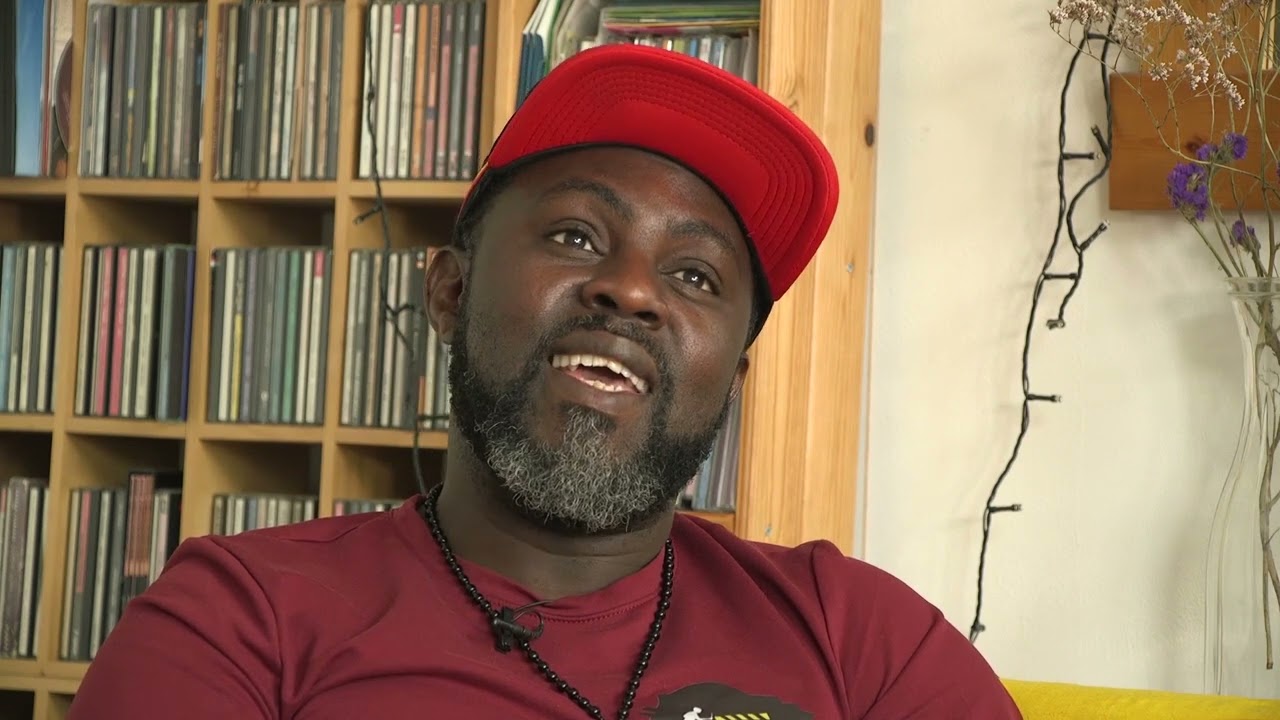
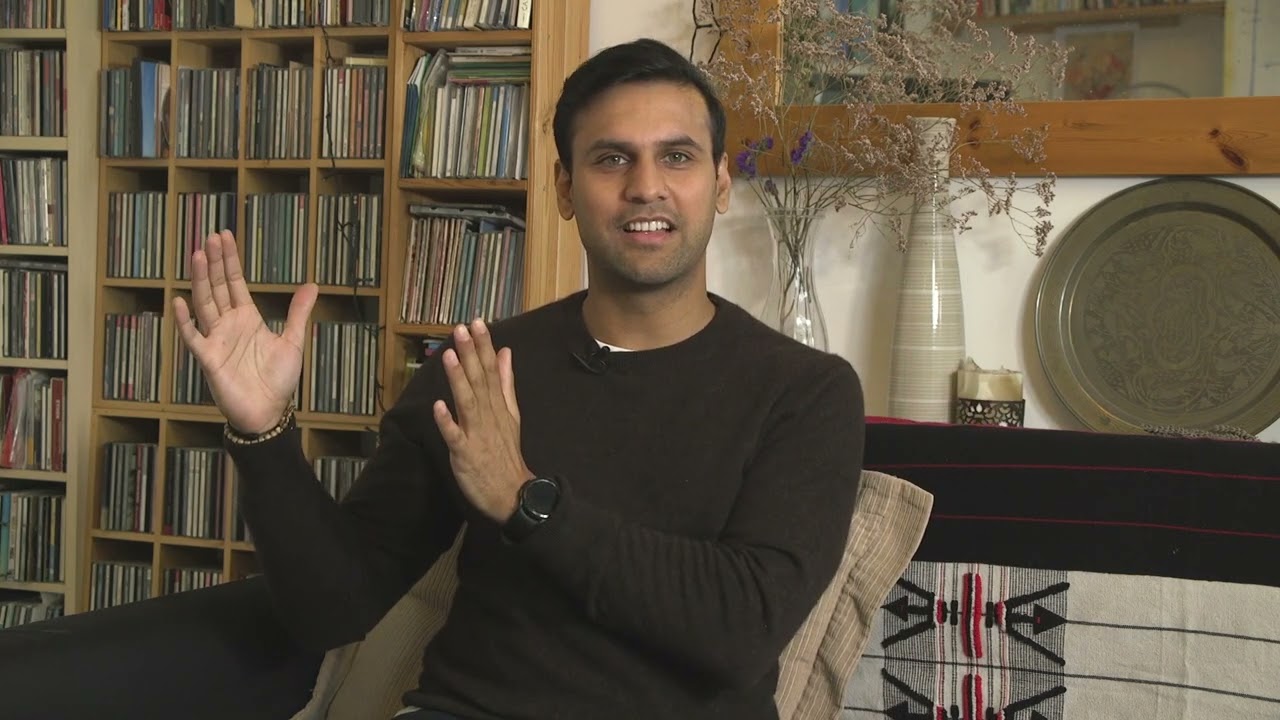
Saaj Raja, an actor, writer, dancer, and presenter, discusses his dual identity as Saajan Raja and Saaj, rooted in his Gujarati heritage. He recounts his upbringing in Crawley, UK, and the cultural and social challenges faced by his parents, who migrated from Uganda. Saaj's journey includes his early passion for Bollywood dance, his struggle with cultural assimilation, and his eventual embrace of his roots. He reflects on his spiritual journey, influenced by a monk in Hong Kong, and his commitment to sharing his cultural heritage through his art. Saaj emphasizes the importance of cultural cohesion and harmony in today's diverse world.
Mukul and Ghetto Tigers undertake an oral history project which explores the question ‘Who am I?’ raised by second-generation immigrants. Their parents left pre-partition India during colonial and pre-colonial times and settled in East Africa, including Kenya, Uganda, Tanzania. The project will investigate what it means for young British Asians in the UK growing up in a system with a colonial legacy. It explores how the past horrible historic events experienced by their parents and grandparents still affect their lives.
This project combines research, oral history interviews, talks and workshops at Stanley Arts, Croydon and Crawley Library. The oral histories and project records will be deposited with the Museum of Croydon (London Screen Archives) and West Sussex Records Office. In addition, training programmes to learn heritage related skills including research, conservation and cataloguing will leave a legacy for future generations.
Though it complements and contextualises the theatre performance of the ‘Exodus’ project, it adds a new dimension to it as its focus is on the viewpoints of a younger generation.
The project will relate to the historical dimension, the colonial set-up in East Africa before the 1970s and to the socio-cultural situation of young people with diverse cultural background in today’s UK. In addition to a British Asian viewpoint it will also feature some British African voices.
The project consists of the following elements:
• Workshops with young people in Crawley and Croydon;
• A filmed session, where each participant will be able to elaborate on the relationship of this historical topic to her/his present life;
• 6 monologues will be created and filmed;
• A film screening and panel discussion at Stanley Arts and Crawley library based on video clips, photographs and short texts introducing the young people (the participants of the workshops).
The speciality of this project is: Through the viewpoint of a new generation it investigates questions of ‘identity’ and ‘heritage’. Though loosely connected to the expulsion of Asians from Africa it digs deeper. It asks questions such as:
• How do these past horrible historic events still affect the lives of young people whose parents and grandparents once arrived from Africa?
• How do young British people in the 2020s think about the colonial British heritage and view today’s repercussions in our society?
• How did the colonial elite in East Africa treat the majority populations in countries such as Uganda, Kenya and Tanzania and how does it still affect people today?
• And especially: How do young people define their own ‘identity/ies’?
The workshops and exhibition investigate what it means for young people growing up in a system with a colonial legacy:
- Where much of the old elite is still in control of the society.
Where the street names, places and monuments are often named after colonial ‘heroes’.
- Where the history books are full of the ‘glorious past’, but slavery, exploitation and killings are nearly ‘forgotten’.
- Where school education in respect to the recent colonial history with its atrocities is nearly absent.
- Where the reasons for immigration into this country (Windrush Generation, East African Asians; the colonial past in general) are only recently discussed.
- Where people with a slightly different colour or accent are still asked ‘where do you come from?’, meaning to ask whether one belongs to this place or not.
- Where people are not judged ‘what they are?’, but rather ‘what specific socio-economic or cultural heritage they are from?’
- Where racism and unequal treatment is still part and parcel of the every-day experience for many people.
The oral histories have been researched and taken by Oral Historian and Media Producer Rolf Killius and Community Arts Producer Lata Desai.
The six monologues will be directed by Mukul Ahmed and Film Maker Tarun Jasani.
Повторяем попытку...
Доступные форматы для скачивания:
Скачать видео
-
Информация по загрузке: