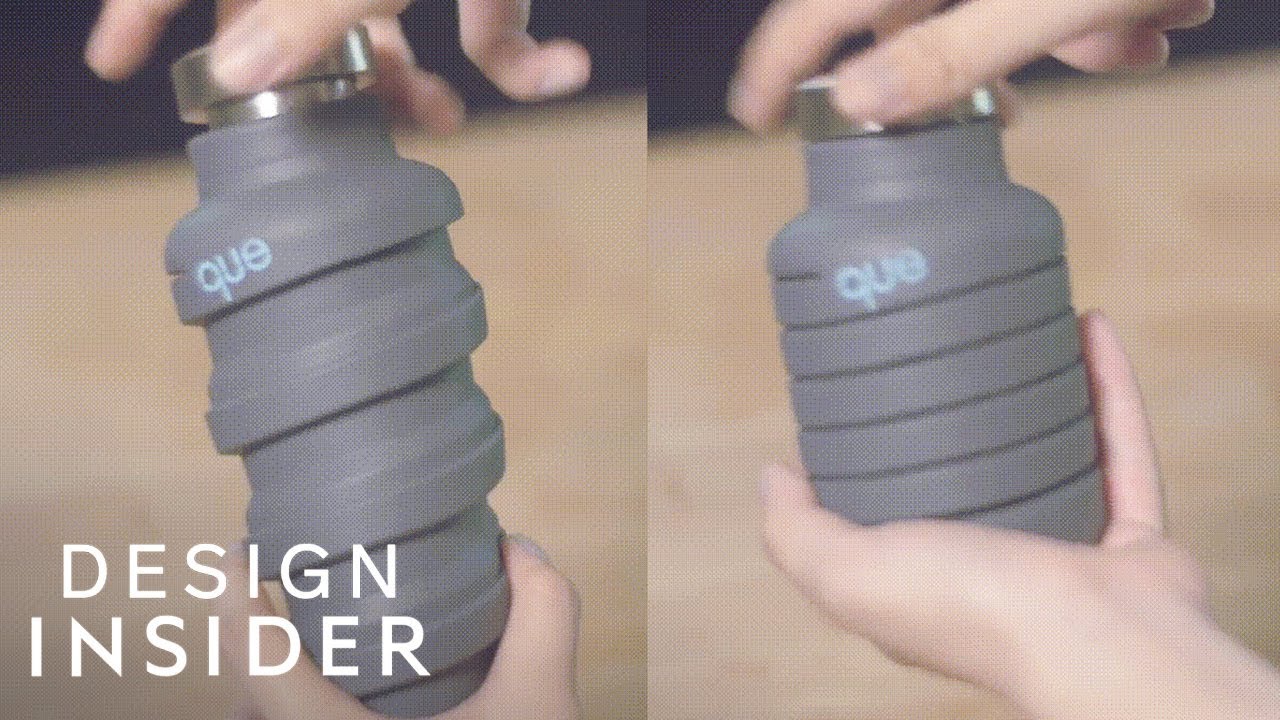
Eco-Friendly Water Bottle Market Size is expected to reach US$ 11.06 Billion by 2028
Автор: The Insight Partners
Загружено: 2022-04-25
Просмотров: 106
Описание:
Read Detailed Index of full Research Study at https://www.theinsightpartners.com/re...
According to our latest market study on “Eco-Friendly Water Bottle Market Forecast to 2028 – COVID-19 Impact and Global Analysis – by Material (Paper, Metal, Glass, Others), Distribution Channel (Supermarket and Hypermarkets, Specialty Stores, Online Retail, Others),” the market is projected to reach US$ 11.06 billion by 2028 from US$ 8.19 billion in 2021; it is expected to grow at a CAGR of 4.4% during 2021–2028. The report highlights key factors driving the market growth and prominent players along with their developments in the market.
Get the inside scoop of the Sample report @ https://www.theinsightpartners.com/sa...
The eco-friendly water bottle market is growing due to the increasing demand from consumers with high environmental awareness, who prefer using personal water bottles as a substitute for packaged drinking water bottles. Moreover, the growing restrictions on plastics are propelling the demand for eco-friendly water bottles. In recent years, consumers have shifted to eco-friendly water bottles to replace plastic, which is a non-biodegradable material. According to the Australian government, the Department of Agriculture, Water, and Environment, Australians used 3.5 million tons of plastics from 2018 to 2019 (60% was imported). The country is missing out on an estimated US$ 419 million of economic value each year by not recovering all PET and HDPE; 84% of plastic is sent to landfills and 13% is recycled. ~130,000 tons of plastic leak into the marine environment each year in Australia, and 1 million tons of its annual plastic consumption is single-use plastic. To overcome these issues, the Australian government has introduced National Plastic Plan 2021 that includes regulation on single unprocessed polymer or resin waste plastic exports to phase out non-compostable plastic packaging products containing additive fragmental technology, which do not meet relevant compostable standards; expanded polystyrene (EPS) in loose-fill and molded consumer packaging as well as food and beverage containers; and PVC packaging labels. Similar patterns can be observed in Europe, where European Union has established a new law under which the member states need to achieve 77% collection target for plastic bottles by 2025 and 90% by 2029. The law proposes to mandate the inclusion of at least 30% recycled content in plastic bottles by 2030. The initiative is expected to result in increased price of bottled water, resulting in higher adoption of reusable bottles for economic reasons.
Chilly's; S'well; Ocean Bottle; Corkcicle; Hydro Flask; Bottles Società Benefit S.r.l. P.IVA; Frank Green; Qwetch; Klean Kanteen; and Kinto Co., Ltd are among the major key players operating in the eco-friendly water bottle market. The capital cost involved in the production of eco-friendly water bottle and operating a manufacturing unit is moderate, which favors new players to enter into the market. Small manufacturers of eco-friendly water bottle accounts for a major share of the eco-friendly water bottle market, which makes it a largely fragmented marketplace. With the surge in demand for eco-friendly water bottles, there will be an increase in the number of local and regional manufacturers, which become a threat to the established players.
Повторяем попытку...

Доступные форматы для скачивания:
Скачать видео
-
Информация по загрузке: