1.Franz Schubert - LAZARUS D.689 (Unfinished Cantata) Act I (I-IV)
Автор: D887andD887
Загружено: 2009-12-29
Просмотров: 14460
Описание:
"Lazarus, oder die Feier der Auferstehung"
("Lazarus, or the Celebration of the Resurrection")
D.689,
Cantata for six soloists, chorus & orchestra
(Unfinished)
composed by Franz Schubert (1820)
Act I - I. Introduktion
Act I - II. Hier lasst mich ruh'n die letzte Stunde
Act I - III. Noch einen Augenblick
Act I - IV. Trube nicht mit Klagen seine Seele
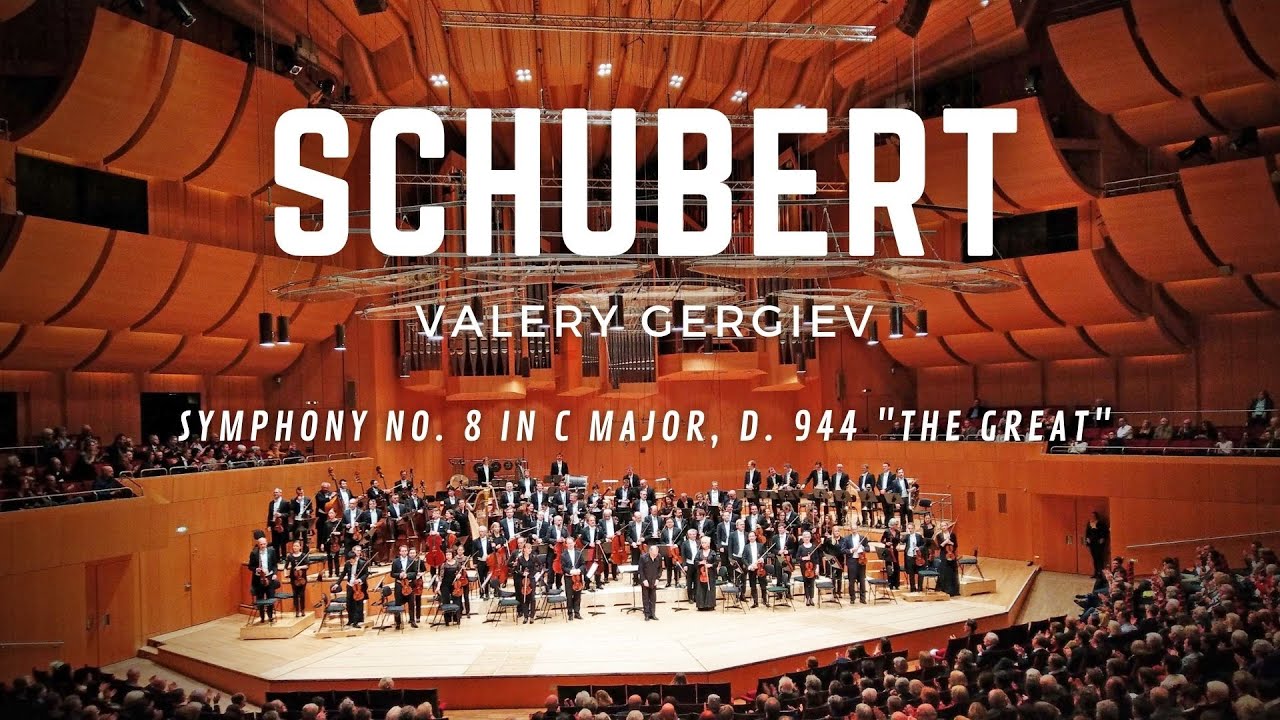
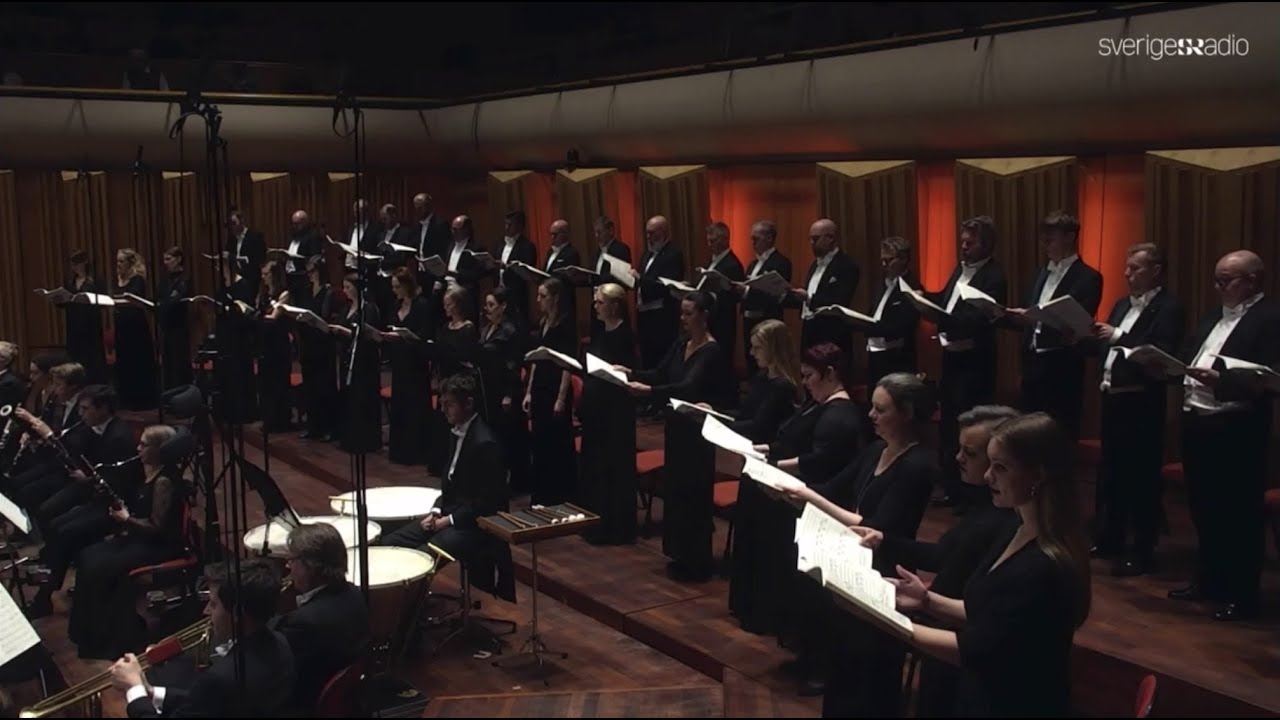
performed by Bavarian Radio Symphony Orchestra
with Helen Donath, Lucia Popp, Maria Venuti, Robert Tear, Elmar Schloter, Josef Protschka, Dietrich Fischer-Dieskau
conducted by Wolfgang Sawallisch
This large-scale, three-act dramatic work for six vocal soloists, chorus, and orchestra was never performed during his lifetime; indeed, it was apparently never completed. Only the first act and about half of the second act (approximately 75 minutes of music) exist in manuscripts discovered by Ferdinand Schubert, Franz's brother, after the composer's untimely death at age 31.
What were the circumstances of the work's composition, and why was it abandoned? What are its principal musical characteristics, and where does it fit in Schubert's development as a composer? Finally, what insight does it provide into Schubert's personal religious beliefs?
"A Discussion of Schubert's Lazarus, D.689"
Franz Schubert Myspace Blogs
http://blogs.myspace.com/franz_schubert
History of the Manuscript:
The extant autograph manuscripts for Acts 1 and 2 are both "fair copies," fully written out and generally free of strikeouts or corrections. No autograph sketches, drafts, or short-scores exist.
Each act's manuscript had a different fate, however.
After Schubert's death, his brother Ferdinand became the de facto executor of his estate and took possession of a considerable quantity of his manuscripts (Franz's amazing productivity surprised even Ferdinand). Among them was the score to Lazarus; it is reported by eminent Schubert researcher Otto Erich Deutsch that a performance of Lazarus occurred on Easter Sunday, 1830 at Ferdinand's church, although he does not give the source for this information and no corroboration has so far been found. It is known that Ferdinand sold the manuscript of Act 1 (as well as manuscripts for several other works) to the publisher Diabelli in 1830, and the subsequent history of this manuscript as it changed hands has been traced;[4] it now resides in the Österreichische Nationalbibliothek in Vienna. Ferdinand retained the remaining manuscript pages for Lazarus, although he may have lost track of them-in his brief biography of Franz Schubert and chronological listing of compositions that was published in Robert Schumann's music journal in 1839, Ferdinand refers to Lazarus as incomplete and mentions only Act 1.
Ferdinand Schubert died in 1859; in 1861, his nephew Eduard Schneider, as executor of the Ferdinand Schubert estate, brought some manuscripts to noted Beethoven scholar A. W. Thayer, hoping that Thayer would bring them to the attention of collectors and facilitate a sale for the benefit of Ferdinand's widow. Thayer showed them to Heinrich Kreissle von Helborn, whose Biographical Sketch of Franz Schubert had just been published; Kreissle immediately identified five consecutive page-gatherings, or sheaves of manuscript, as part of Act 2 of Lazarus. He in turn showed the score, which ended in the middle of a choral number, to Schubert advocate Johann Herbeck, a conductor and director of the Gesellschaft der Musikfreunde in Vienna.
Herbeck visited Ferdinand's widow in the hope of unearthing additional pages, he eventually ended up at a grocery store where he found a sixth sheaf of Schubert's score ready to be used as wrapping paper!
No other pages were ever found; the scenario suggests that more manuscript pages may have existed, but had been discarded and thus lost to posterity. The sixth page-gathering completes the choral number but breaks off after the beginning of an aria by the character Martha, with the music completing a strophe of text on a strong dominant cadence followed by a single quarter-note upbeat to the next strophe (with which a seventh page-gathering would begin). The fragmentary manuscript of Act 2 now resides in Vienna's Stadt- und Landesbibliothek.
Herbeck shared the Lazarus score with Johannes Brahms, who was so impressed that he revised his opinion of Schubert, personally copied out two extended sections, and sent letters to colleagues Adolf Schurbing and Joseph Joachim praising the music. Herbeck presented the first documented performance of Lazarus on Easter Sunday of 1863, and subsequently edited a vocal-piano score for publication, calling the work an "Easter Cantata." The full score to Lazarus, oder die Feier der Auferstehung was first published in 1892 (64 YEARS AFTER SCHUBERT's DEATH) as series XVII, volume 1 of the "old" complete edition of Schubert's works.
Повторяем попытку...

Доступные форматы для скачивания:
Скачать видео
-
Информация по загрузке:




![The Shadow of Calvary: Vivaldi Filiae maestae Jerusalem, RV 638 | [MuseLAB]](https://imager.clipsaver.ru/0sj824OYRoI/max.jpg)