The Benefits of Red Sage Root Tea
Автор: Bravo Teas & Herbs
Загружено: 2021-05-16
Просмотров: 4609
Описание:
Red sage (aka saliva miltiorrhiza) is well known by many gardeners in North America, but the general public is only starting to learn all the benefits of red sage root.
Not to be confused with other flowers in the same family, red sage root has purple flowers but is named for it's bright red roots.
Have you had the pleasure of trying a tea made from red sage root yet?
This video will help you understand the many health benefits and interesting history of red sage root.
Chapters
Where does Red Sage Root Come From? 0:00
Salvia Militiorhiza- the latin name and meaning: 0:15
Dan Shen: Red Sage Root in China: 0:34
Red Sage Root in Europe: 0:54
Scientific Studies on Red Sage Root: 1:11
Health Benefits Red Sage Root is used for (heart and liver health benefits): 1:32
Why Red Sage Root Tea is the Best Option for Most People: 1:55
How to Make Red Sage Root Tea: 2:03
Bravo Tea's Red Sage Root Tea - Non-GMO Project Verified and Sustainability Grown: 2:13
Follow us on our other social pages:
/ bravotea
https://instgram.com/bravo_tea
About Us
Bravo tea is a family owned company.
Each of our teas are based on recipes that have existed for centuries. Indigenous herbal medicine is still practiced all over the world and has existed in nearly every continent of the world almost for as long as there have been human beings.
Herbal medicine is regaining relevance in our modern world. We believe in the power of natural medicine and have a strong belief in the protection of the natural world.
The indigenous cultures of the world thought that human beings are a part of nature and not separate from it.
We envision a future where business does not mean destruction for the natural world. We do what we can to promote healthy people and a healthy environment.
For more information on herbal teas, check out our website: www.bravotea.com
Video Transcript:
Red Sage Root: Salvia Militorrhiza
Red sage root has been used in Asia for over 2,000 years as a folk remedy. It's native to China and Japan where it can be found growing on grassy hillsides and riverbanks the scientific name for the species is salvia militorrhiza, militorrhiza meaning red ochre root.
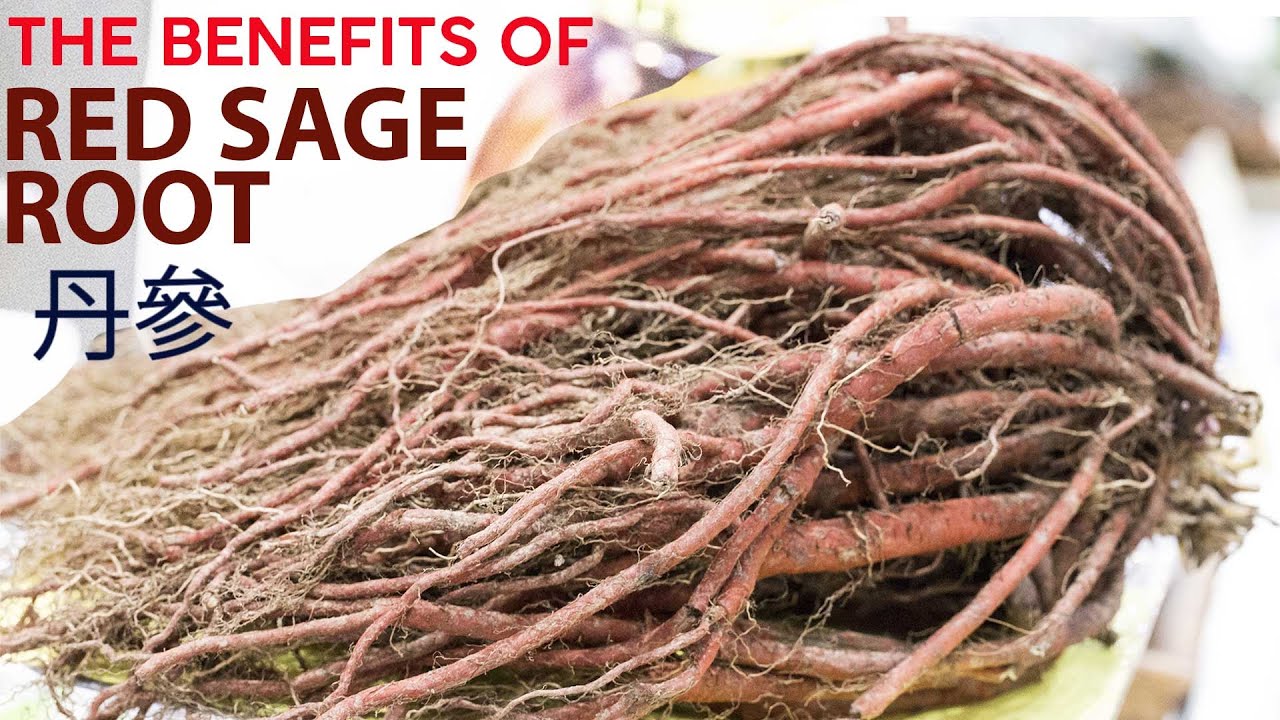
Although it has delicate purple flowers this species is named for its thick root system which has a bright red hue in china red sage root is known as danshen and it's one of the most widely used medicinal herbs.
The History of Red Sage Root
In the 1700s Jesuit Pierre Nicolas d'Incarville introduced red sage to the western world when he brought seeds of the plant from Beijing to Paris.
D'Incarville was an amateur botanist with great interest in the plants he encountered while on a missionary trip to china he was the first westerner to bring back red sage and a few other plants which eventually spread across the world collectors of medicinal plants were responsible for bringing red sage root to North America from Asia.
Chemical Compounds in Red Sage Root
Modern science has shown that salvia militorrhiza has over 200 chemical compounds that likely contribute to its health benefits some of these compounds include lipophilic diterpenoids hydrophilic phenolic compounds flavonoids and triterpenoids.
What are the Health Benefits of Red Sage Root?
The most common use of red sage root is for heart health support.
In fact, many human studies have been conducted in Asia focusing on patients with cardiovascular problems in addition to heart health red sage root is also thought to support liver health and healthy blood sugar levels.
Red Sage Root Tea
While red sage root is often made into tinctures or ground into powders the most accessible form for most people is red sage root tea.
To get the most benefit the roots should be dried and then soaked in hot water to make a tea.
Bravo's red sage fruit tea is made from herbs grown in their natural habitat on the Tibetan plateau its Non-GMO Project Verified and organically grown.
Повторяем попытку...
Доступные форматы для скачивания:
Скачать видео
-
Информация по загрузке: