Ancient wonders Explore Anegundi Incredible India | Phenomenal Travel
Автор: Phenomenal Travel
Загружено: 2025-07-17
Просмотров: 540
Описание:
Ancient wonders Explore Anegundi Incredible India | Phenomenal Travel
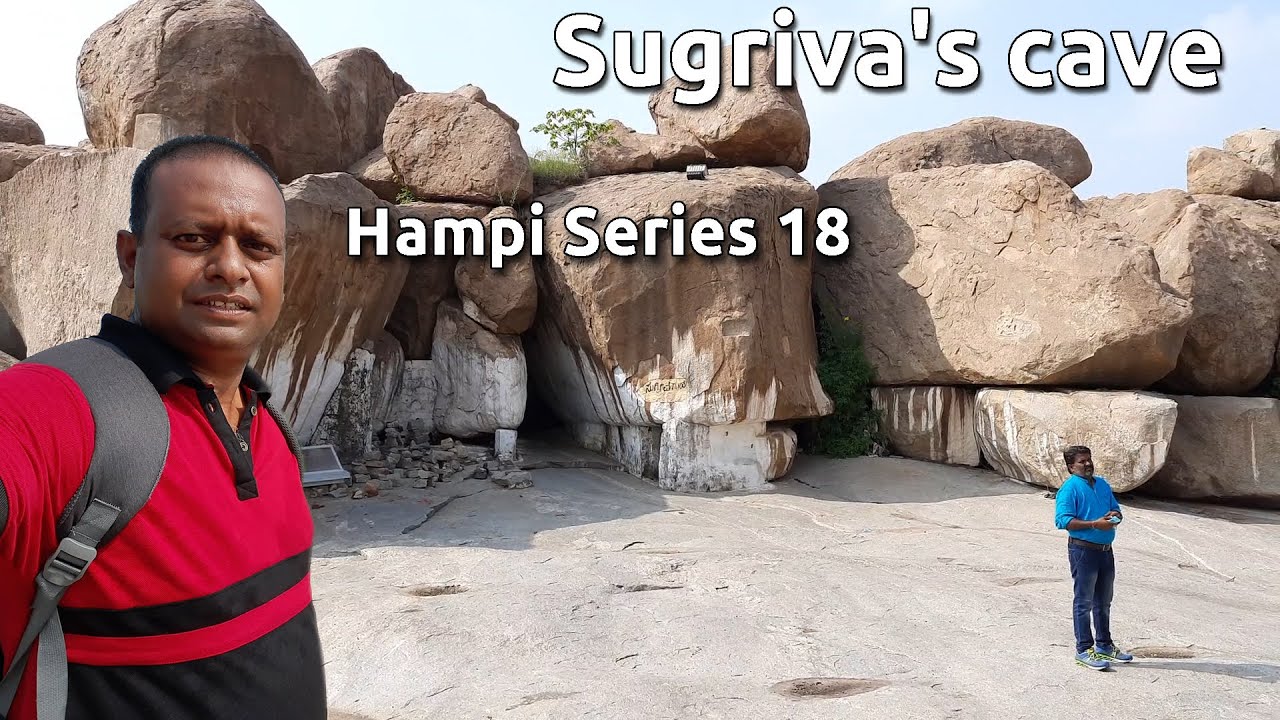
Anegundi is a significant historical site in Karnataka, located on the left bank of the Tungabhadra River in the Gangavathi Taluk An inscription from 1349 AD refers to Anegundi as "Ihaskara Kshetra Dakshina Varanasi Hartinapura. During the Vijayanagara period, forsign travellers like Nuntz and Domingo Paes mentioned Anegundi as Nagundlum and Senagundlum. Anegundi has been inhabited since prehistoric armes, with evidence of settlements from the Stone-Copper Age and the Megalithic-Iron Age. Archaeological findings Include pottery fragments, stane tools and cave paintings scattered throughout the region. It is also traditionally believed to be the Kishkindha kingdam mentioned in the Ramayana. Several sites associated with the Ramayana, such as Pampa Saravar, Anjanadri HII. Sugriva's Cave, Vali Shandaara, Tara Parvata and Chinchalakote, are located here. Anegundi has witnessed the rule of several powerful dynasties, including the Chalukyas, Haysalas, Kakattyas, Kampi Kampill rulers and the Vijayanagara kings. An Inscription from 988 AD at Pampa Sarovar mentions that Chalukya Bhushana Sri Madhavamaila Deva governed the Tungabhadra region. The Hoysala king Balialo ill ruled from Virupaksha Hosadurga, which some scholars identity as Anegundi. During the 13th century, Anegundi briefly come under the rule of the Kakatiyas of Warangal, who constructed the first fort here. Under Kampilaraya, Anegundi became a prominent town. When Kampilaraya marched against Haysala Ballala, his army camped in Anegundi before advancing. In 1336 AD, with the establishment of the Vijayanagara Empire, Anegundi became is first capital. Harihara and Bukkaraya, the first rulers of the Sangama dynasty, administered the empire from Anegundi. However, after the establishment of the Bahmani Sultanate in 1347, constant attacks forced Bukkaraya to shift the capital to Hampi-Vijayanagara. Thereafter, Anegundi served as the northern military outpost of the Vijayanagara Empire and also housed the central prison. Following the fall of Vijayanagara in 1565 after the Battie of Talikota, the Aravidu dynasty ruled from Penukonda and Chandragiri until the empire's final collapse in 1646. However, Thirumala, son of Srirangaraya from the Aravidu lineage, reclaimed Anegundi and established his rule under the title "Shrimad Rajadhiraja Parameshwara Veera Tirumala Vidya Vijayanagara Narapati Samsthana Anegundi. During this period, 16 kings ruled the Anegundi principality, Including Sri Tirumala Raya (1644-1672). In 1770, the Peshwas invaded Anegundi, followed by Hyder All in 1775 and Tipu Sultan in 1786. After Tipu's death in the Fourth Anglo-Mysore War in 1799, the British gained control of Anegundi. They recognized the local rulers and granted them administrative rights.
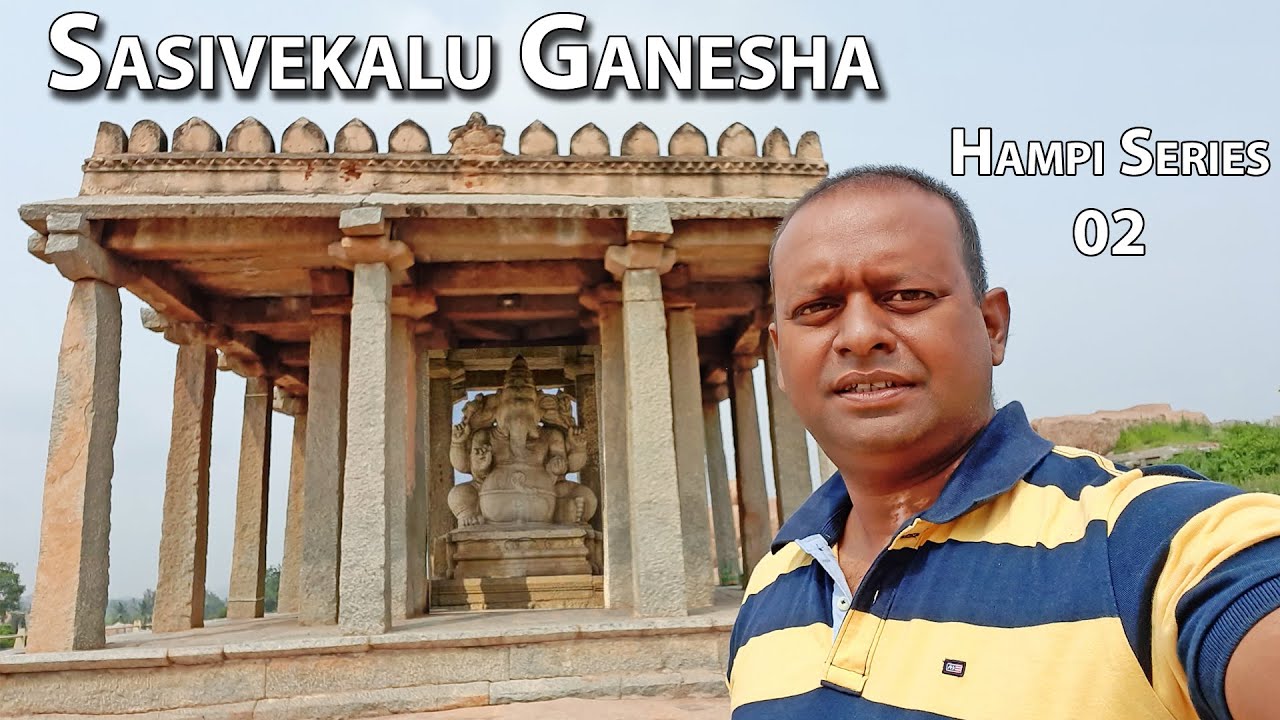
Anegundi is renowned for the historical monuments, including Anegundi Fort, 64-Piliar Mantapo, Gagan Mahal, a beautiful structure from the Aravidu period, Kamala Mahal, Ranganatha Temple, built in the Vijayanagara style, Chintamani Matha, along with the temples of Lakshmi Narasimha, Ganesha and Pampapathi, Huchhappayya Matha, Saraswati Matha and Jain Basadis The Saraswati Matha is a spacious shucture considered the original seat of the Vishwakarma community. The Jain Basadi, built in Tirikula style, is now in ruins. Anegundi is also home to the famous Navabrindavana, the sacred site of the nine Madhva saints.
Ancient India
Travel Karnataka
Explore hampi
Hidden places
Namma Karnataka
Namma Hampi
Namma Anegundi
Повторяем попытку...

Доступные форматы для скачивания:
Скачать видео
-
Информация по загрузке: