Solutions Journalism Approach to Democracy
Автор: National Press Foundation
Загружено: 2022-11-28
Просмотров: 119
Описание:
Solutions journalism reports on action – but it’s not advocacy. Covering politics with a solutions journalism lens means talking to people most affected.
by Hope Kahn, National Press Foundation
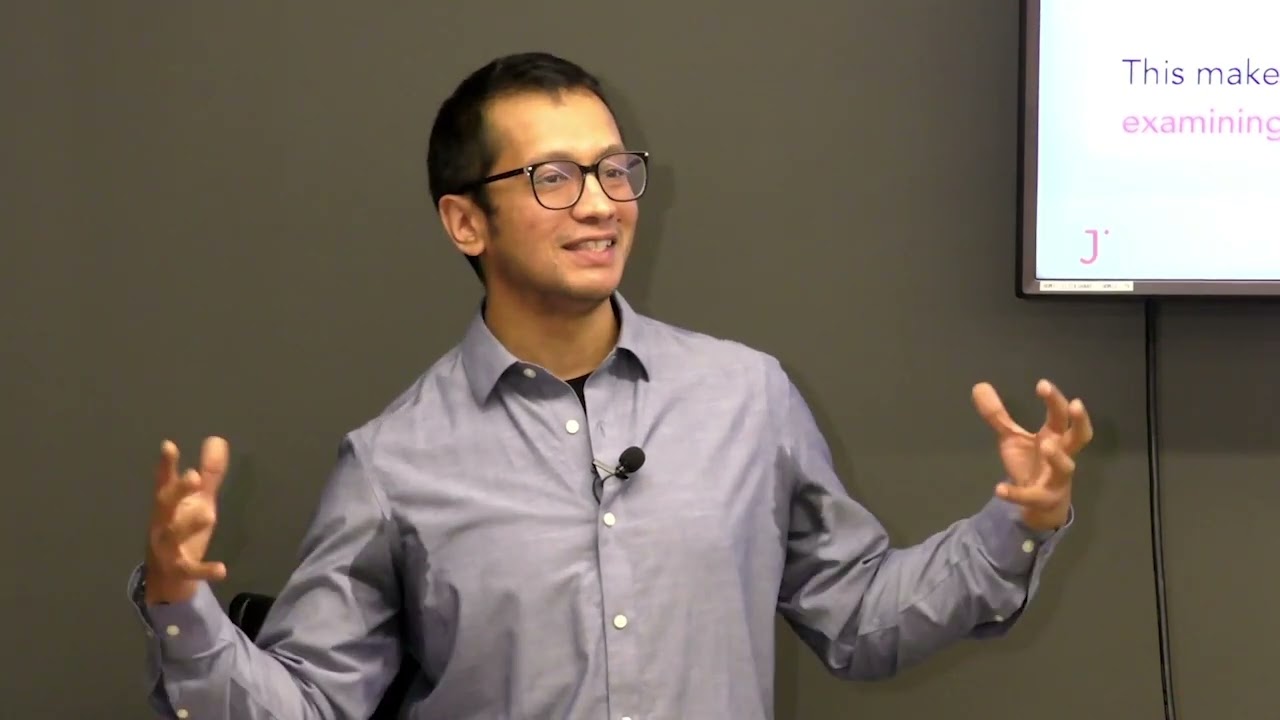
“Solutions journalism” encourages the media to report on the solutions to social problems and not just the problems themselves. By covering democracy with a solutions lens, journalists can help combat negative feelings associated with the news, Jaisal Noor, Democracy Cohort Manager for the Solutions Journalism Network, told Paul Miller Fellows.
Focus on the response to an issue using evidence. Evidence is necessary for a solutions journalism approach, Noor said, encouraging journalists to examine both quantitative and qualitative data. The Solutions Journalism Network provides a Solutions Story Tracker database that houses over 14,000 stories that can help journalists find reporting on societal problems similar to those in their own community, Noor said. “We tend to be so siloed in our communities that we don’t necessarily know that other communities are facing these same problems and have found solutions to them,” he said. “There’s no real problem in America that’s unique to one community.”
A solutions approach is journalism, not advocacy or PR. Solutions journalism is grounded in looking at the response to an issue and evidence of whether the response is successful or not. But looking at the response and evidence is not enough. “Another aspect is insight,” Noor said, which is included in the four pillars of solutions journalism. “How can people use this information? How is it relevant to their own lives?” The last pillar is limitations, which is what separates it from advocacy and PR, Noor said. “You’re not promoting an idea, you’re explaining what the flaws are with this response, what limits it, what can it do?’”
Talk to the people most affected by decisions. When asked about covering Supreme Court decisions through a solutions lens, Noor said to talk to the people who are most impacted and see what the evidence is. For example, regarding the affirmative action Supreme Court case: “Look at the evidence for and against it because affirmative action was a response to a social problem,” Noor said. “You can evaluate the effectiveness and the efficacy of affirmative action, look at the limitations, and just really look at the evidence and see what the insights are.”
Don’t forget to check on progress. “One thing that I always recommend doing is if you are doing a story about an initiative launching, like a new healthcare initiative launching in a town or a city… put a reminder in your phone three months in, six months in, 12 months in, go back to those sources,” he said. There might be reports and data that could give you a new solutions-based story on whether the initiative is successful or not.
Solution stories have higher engagement. An article with a headline that “bleeds” may get more clicks than one that doesn’t, but a solutions story tends to score higher on reader engagement, Noor said. According to an experiment done by the Emerging News Project, readers of a solutions story spent about 25 percent more time on the page (roughly 30 seconds more) than did readers of the non-solutions version. “Also, it’s a way for newsrooms to build stronger relationships with communities,” Noor said.
Speaker: Jaisal Noor, Democracy Cohort Manager, Solutions Journalism Network
Takeaways, transcript and resources: https://nationalpress.org/topic/solut...
NPF is solely responsible for the content.
Повторяем попытку...
Доступные форматы для скачивания:
Скачать видео
-
Информация по загрузке: