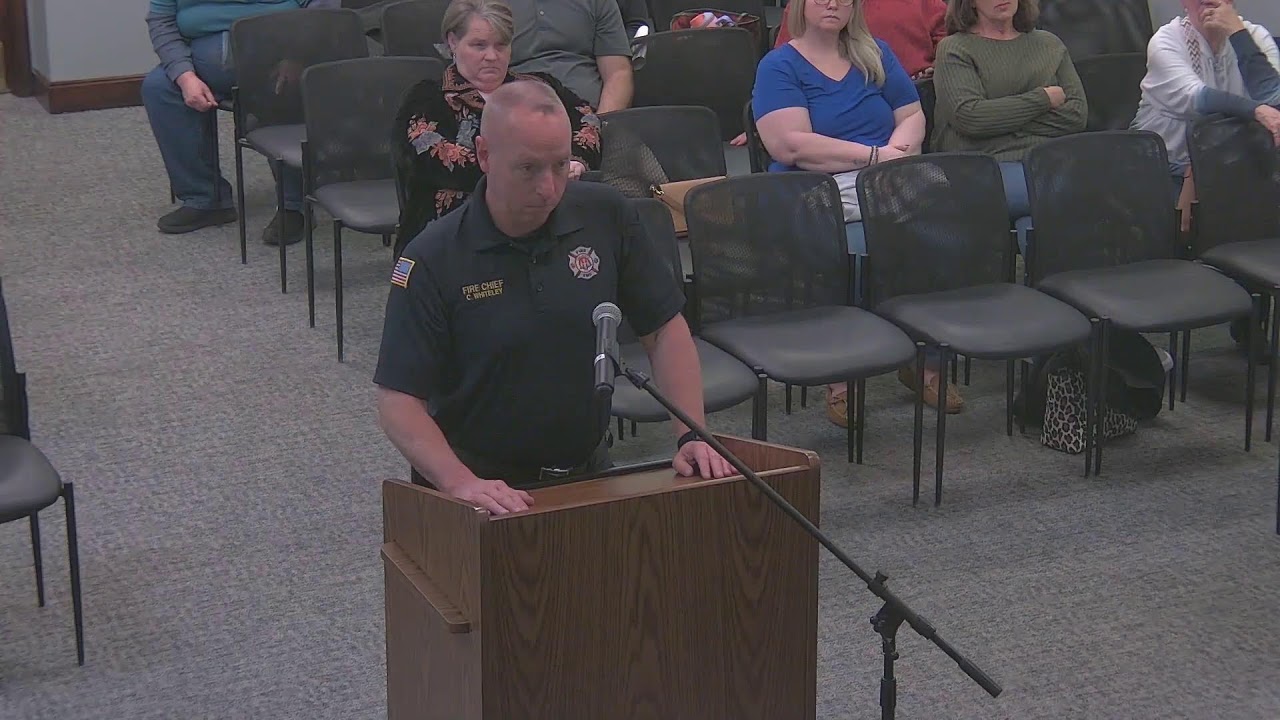
Let's Talk Disability - Being a Disabled PGR
Автор: UOM Equality Diversity & Inclusion
Загружено: 2025-04-02
Просмотров: 33
Описание:
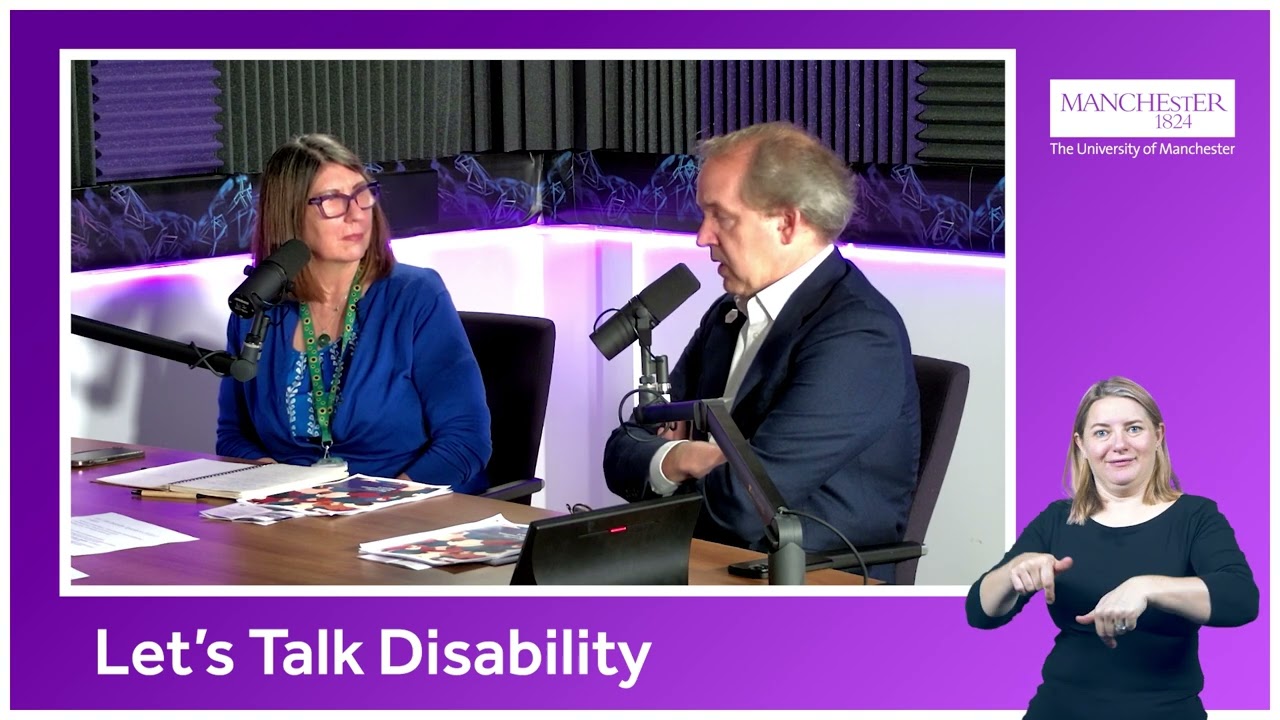
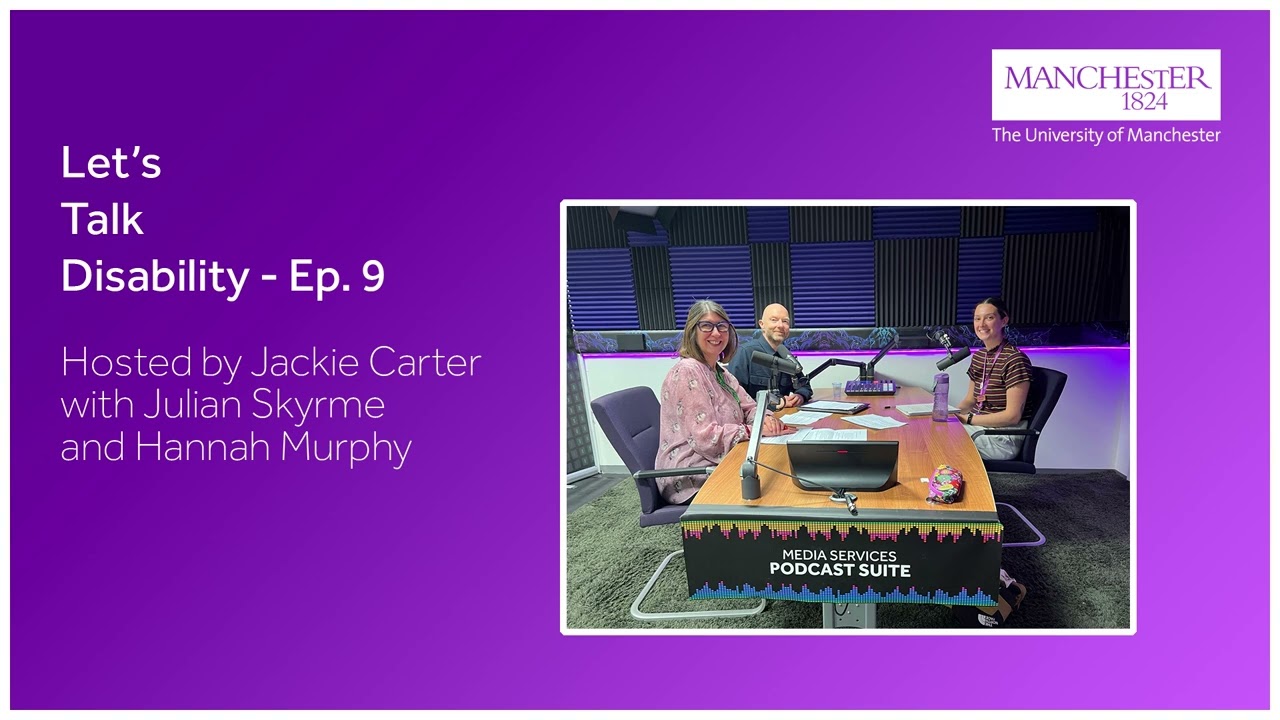
Featuring Laura Howard & Professor Colette Fagan
Hosted by Professor Jackie Carter
In this powerful and deeply human episode of Let’s Talk Disability, Professor Jackie Carter brings together two women from very different roles within the University – yet deeply connected by their shared commitment to equity and meaningful change. Laura Howard, a third‑year postgraduate researcher in Archaeology and co‑chair of the Disabled Staff Network and Disabled PGR Group, joins Professor Colette Fagan, Vice‑President for Research, for a candid and thought‑provoking conversation about disability, academia and culture change.
Laura opens with honesty, humour and remarkable clarity. She describes living with physical and cognitive disabilities following a severe brain injury at age 22 – chronic pain, fatigue, memory loss and speech challenges that make everyday academic life both unpredictable and exhausting. Yet she also speaks about the extraordinary strengths these experiences have cultivated: resilience born from surviving years of illness, exceptional planning skills, adaptability, pre‑emptive problem‑solving, and the kind of determination that fuels a PhD even on the hardest days. Her metaphors – from Windows‑style “buffering” to the iconic Blues Brothers collapsing car – bring levity and truth to realities often hidden or misunderstood.
As the conversation unfolds, Laura reflects on the barriers disabled PGRs face:
• navigating supervisor relationships while trying not to “disappoint”;
• inaccessible seminar times and expectations of evening networking;
• physical and cognitive barriers in labs, archives and conferences;
• years lost to illness, leaving CVs that do not reflect capability;
• self‑funding burdens because structural inequalities may render disabled candidates “less competitive” in traditional selection processes.
Colette listens with deep care and responds with candour, warmth and a clear strategic lens. Drawing on her senior leadership position and long career researching equality and organisational change, she acknowledges the structural gaps Laura describes and reflects on the responsibilities of supervisors, the limits of signposting alone, and the importance of embedding disability inclusion into the Postgraduate Researcher Supervisory Toolkit, wellbeing policy and academic expectations. She also recognises the need for better understanding, clearer support routes, and the removal of unnecessary emotional and administrative “fight” from disabled students’ lives.
Together, Laura and Colette explore themes including:
• the hidden strengths disabled PGRs bring to research: resilience, planning, perspective and EDI awareness
• the emotional labour of disclosure and the fear of being seen as “less academically serious”
• the vital role of supervisors in fostering trust, advocacy and informed adjustments
• the need for clearer expectations, better communication, and practical tools for academic staff
• the importance of peer networks, safe spaces and community in enabling disabled researchers to thrive
• rebuilding trust in formal support systems through transparency and consistent practice
• the difference between doing disability inclusion and merely signposting disability inclusion
• why universities must design events, systems and culture around the presence, not the exception, of disabled students
The conversation is warm, humorous, unflinchingly honest and often moving. Laura’s courage in sharing her story highlights both the richness disabled researchers bring to academia and the heavy toll of having to constantly justify, explain and advocate for one’s needs. Colette’s openness and clear commitment to structural change show what senior‑level allyship can – and should – look like.
As always, the episode concludes with reciprocal commitments:
Colette pledges to strengthen disability inclusion within postgraduate researcher policy and supervisory practices. Laura asks for one powerful thing: take away the fight – so disabled PGRs can succeed without carrying the weight of extra barriers that should never have been theirs to carry.
This episode is honest, brave and brilliantly insightful — essential listening for anyone invested in research culture, postgraduate experiences, or disability inclusion in higher education.
Send us your questions or comments to [email protected] with the subject 'LTD' or connect with Jackie on Linkedin at / drjackiecarter
Listen, learn, and help drive real change—because disability inclusion benefits everyone.
Повторяем попытку...
Доступные форматы для скачивания:
Скачать видео
-
Информация по загрузке: