Geta (下駄) traditional Japanese footwear - with Wageofsins
Автор: wageofsins
Загружено: 2016-07-17
Просмотров: 44585
Описание:
Today I take a look at my pair of Geta (下駄)! These were bought in Iga city (伊賀市), the home of ninja, in a little family run geta shop not far from Iga station.
☆Please subscribe to Wageofsins for more!☆→ http://ow.ly/borG303OS3l
◎Exploring Japan → http://ow.ly/grNX303OPVn
◎Life in Japan → http://ow.ly/J95c303OPYf
◎Action figure reviews → http://ow.ly/yzJg303OQ2c
◎Ask Sora → http://ow.ly/MFJ9303OQwl
◎Scientific interviews with Dr. Cobblestone → http://ow.ly/tJRV303OQxZ
◎Bizarre Beverages → http://ow.ly/55mL303OQTS
◎One a Day Reviews → http://ow.ly/H2s7303OQZF
===========================
☆You can also visit GameandMaim for my Gaming and Anime review videos☆ → http://ow.ly/pv3G303ORRi
◎Michika's Challenge! → http://ow.ly/PmR2303ORkZ
◎Anime Reviews → http://ow.ly/OI0P303ORnx
◎Dark Souls → http://ow.ly/A4eZ303ORqr
◎I am Setsuna → http://ow.ly/Js6s303ORuA
◎Let's try! → http://ow.ly/qjOz303ORyD
◎Hatoful Boyfriend (はーとふる彼氏) → http://ow.ly/vEy0303ORBQ
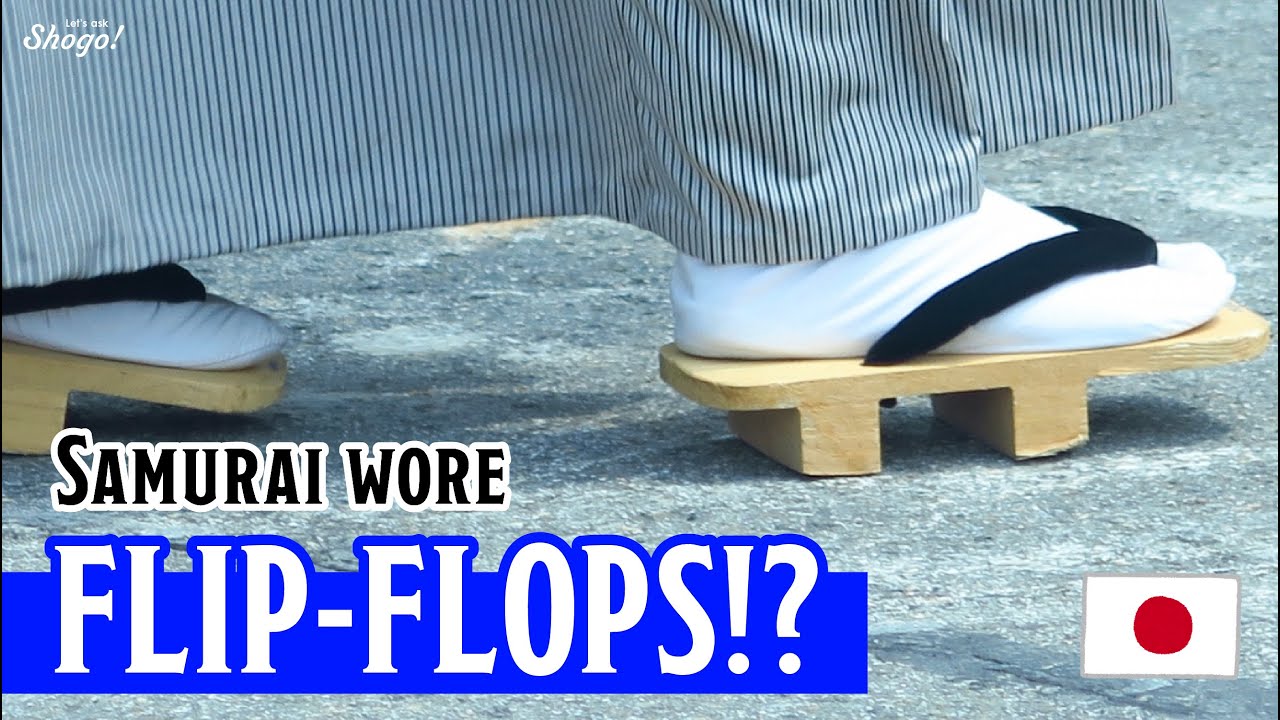
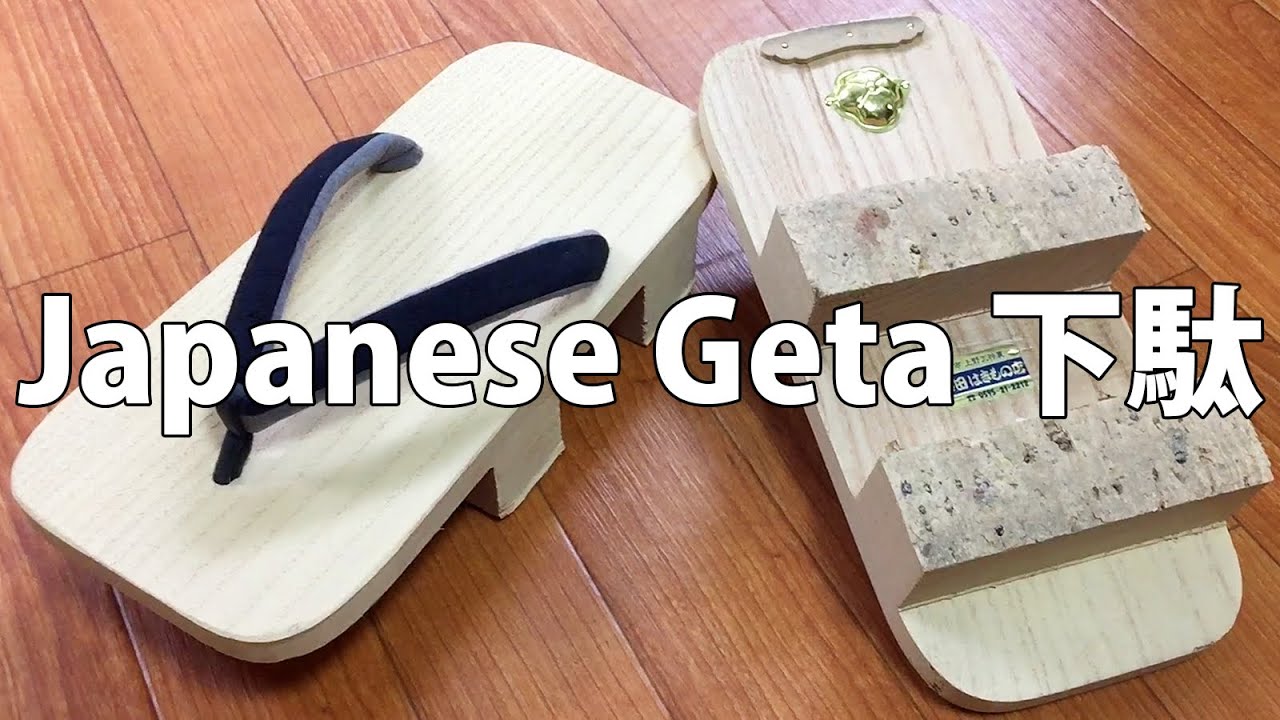
Geta (下駄) are a form of traditional Chinese-Japanese footwear that resemble both clogs and flip-flops. Geta were invented by the Chinese and then introduced to Japan. They are a kind of sandal with an elevated wooden base held onto the foot with a fabric thong to keep the foot well above the ground. They are worn with traditional clothing such as kimono or yukata, but (in China and Japan) also with Western clothing during the summer months. Sometimes geta are worn in rain or snow to keep the feet dry, due to their extra height and impermeability compared to other footwear such as zōri. When worn on water or dirt, flip-flops may flip dirt or water up the back of the legs. This does not tend to happen with Geta.
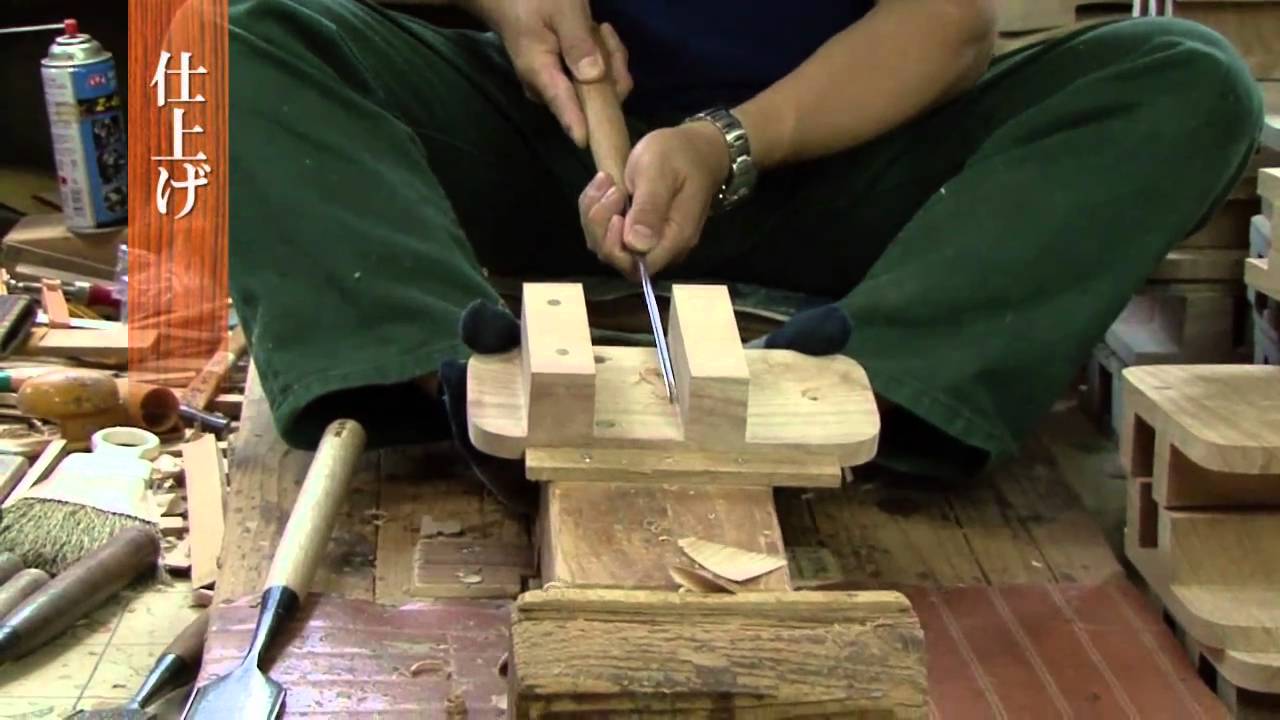
Geta are made of one piece of solid wood forming the sole and two wooden blocks underneath. These blocks may have a metal plate on the section that touches the ground in order to lengthen the life span of the Geta. A V-shaped thong of cloth forms the upper part of the sandal.
The dai may vary in shape: oval ("more feminine") to rectangular ("more masculine") and color (natural, lacquered, or stained). The ha may also vary in style; for example, tengu-geta have only a single centered "tooth". There are also less common geta with three teeth. Merchants use(d) very high geta (two long teeth) to keep the feet well above the seafood scraps on the floor. The teeth are usually not separate, instead, the geta is carved from one block of wood. The tengu tooth is, however, strengthened by a special attachment. The teeth of any geta may have harder wood drilled into the bottom to avoid splitting, and the soles of the teeth may have rubber soles glued onto them.
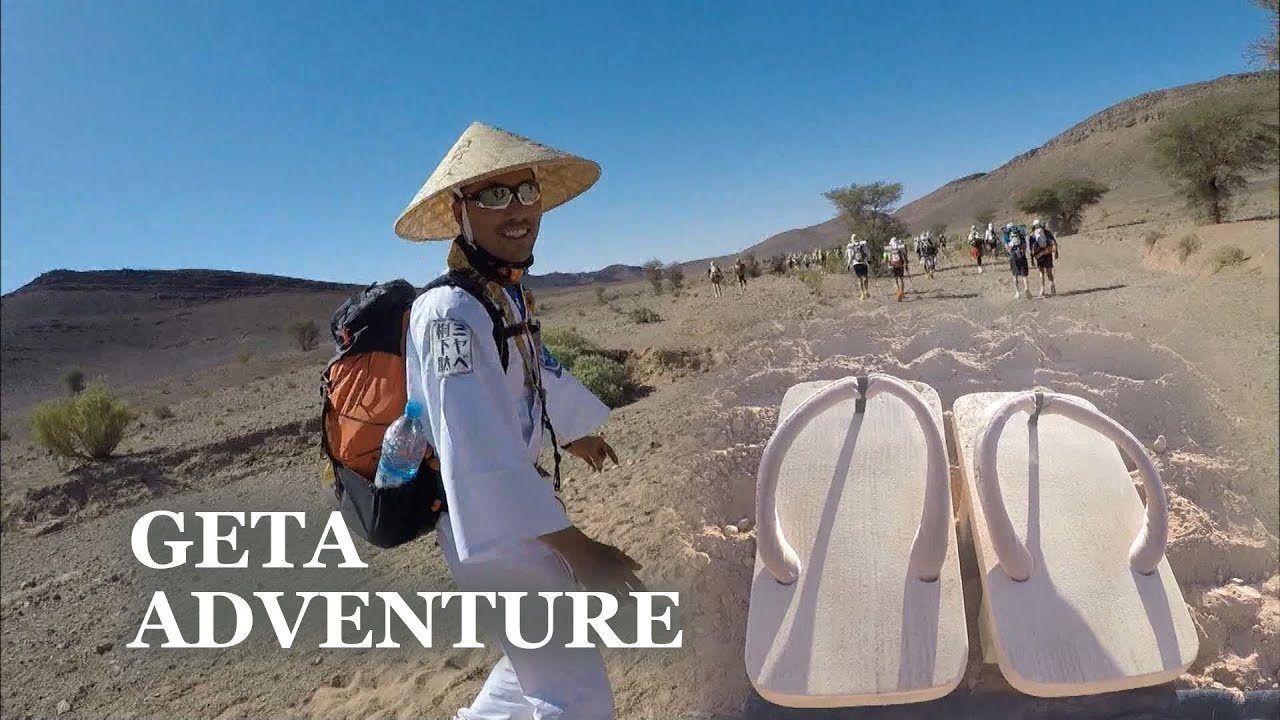
The hanao (straps) can be wide and padded, or narrow and hard, and can be made with many sorts of fabric. Printed cotton with traditional Japanese motifs are popular, but there are also geta with vinyl and leather hanao. Inside the hanao is a cord (recently synthetic, but traditionally hemp) that is knotted in a special way to the three holes of the dai (main wooden base). In the wide hanao there is some padding as well. The hanao are replaceable. It sits between the two first toes because having the thong of rectangular geta anywhere but the middle would result in the inner back corners of the geta colliding when walking. Recently, as Western shoes have become more popular, more Western looking geta have been developed. They are more round in shape, may have an ergonomically shaped dai, a thick heel as in Western clogs, instead of separate teeth, and the thong at the side as in flip-flops. According to Japanese superstition, breaking the thong on one's geta is considered very unlucky.
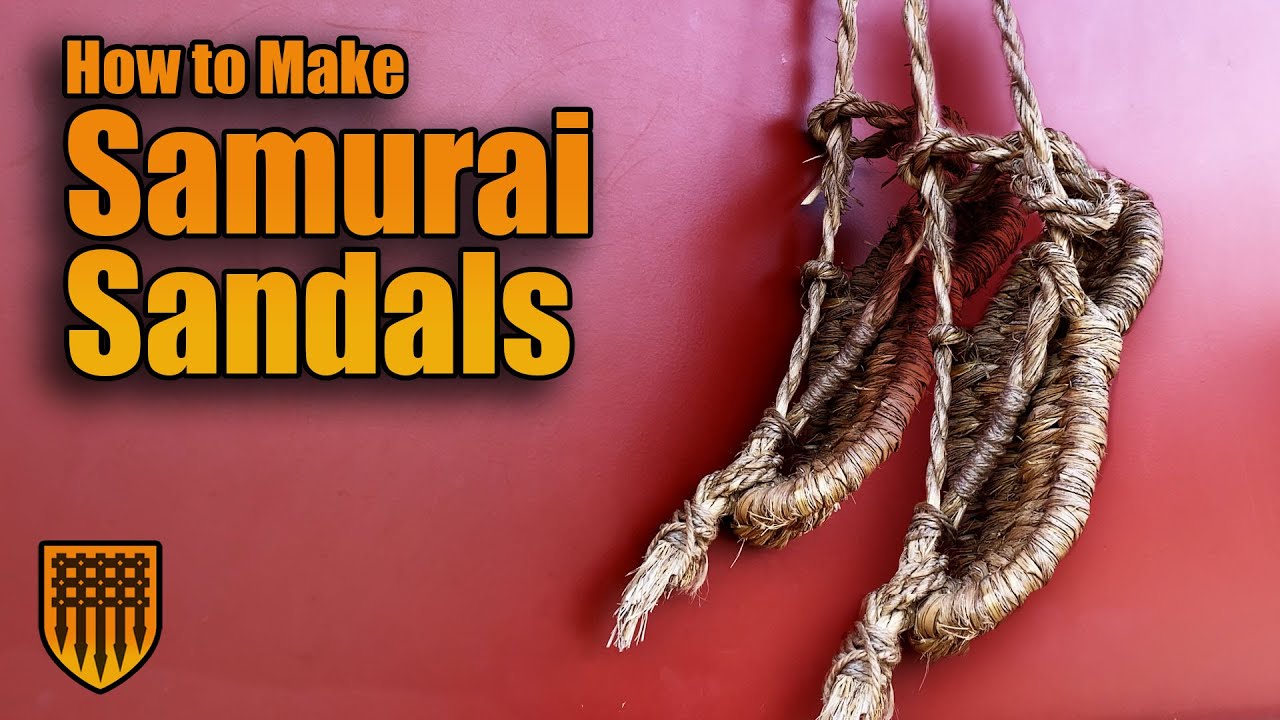
Geta should not be confused with Zōri (草履) which are flat and thonged Japanese sandals made of rice straw or other plant fibers, cloth, lacquered wood, leather, rubber, or—increasingly—synthetic materials. Zōri are quite similar to flip-flops, which first appeared in New Zealand and the United States sometime around World War II as rubber imitations of the wooden thong sandals long worn in Japan.
Повторяем попытку...
Доступные форматы для скачивания:
Скачать видео
-
Информация по загрузке: