NIGERIAN GOVERNMENT AND POLITICS MODULE 6 Nigerian Foreign Policy and International Relations
Автор: EarthTab Business School
Загружено: 2025-10-30
Просмотров: 28
Описание:
Foreign policy is the strategic direction and guiding principles that a country adopts to manage its relationships with other countries, international organizations, and the global community at large. In the context of Nigeria, foreign policy is a reflection of its domestic needs, ideological inclinations, regional obligations, and international ambitions. Nigeria’s foreign relations have evolved over the decades to adapt to changes in global politics, economic interests, African affairs, peacekeeping priorities, and multilateral engagements.
This module deeply examines Nigeria’s foreign policy goals, historical evolution, key institutions, strategic doctrines, international partnerships, and the challenges confronting its diplomacy in the modern world.
II. DEFINING FOREIGN POLICY
Foreign policy refers to the set of strategies, decisions, and actions adopted by a sovereign state to pursue its national interests in the international system. It is shaped by:
Geopolitical environment
National ideology and values
Leadership orientation
Economic capacity
Historical experiences
Military capability
Diplomatic priorities
For Nigeria, the overarching foreign policy objective since independence has been the promotion of African unity, peace, economic cooperation, and leadership in continental affairs.
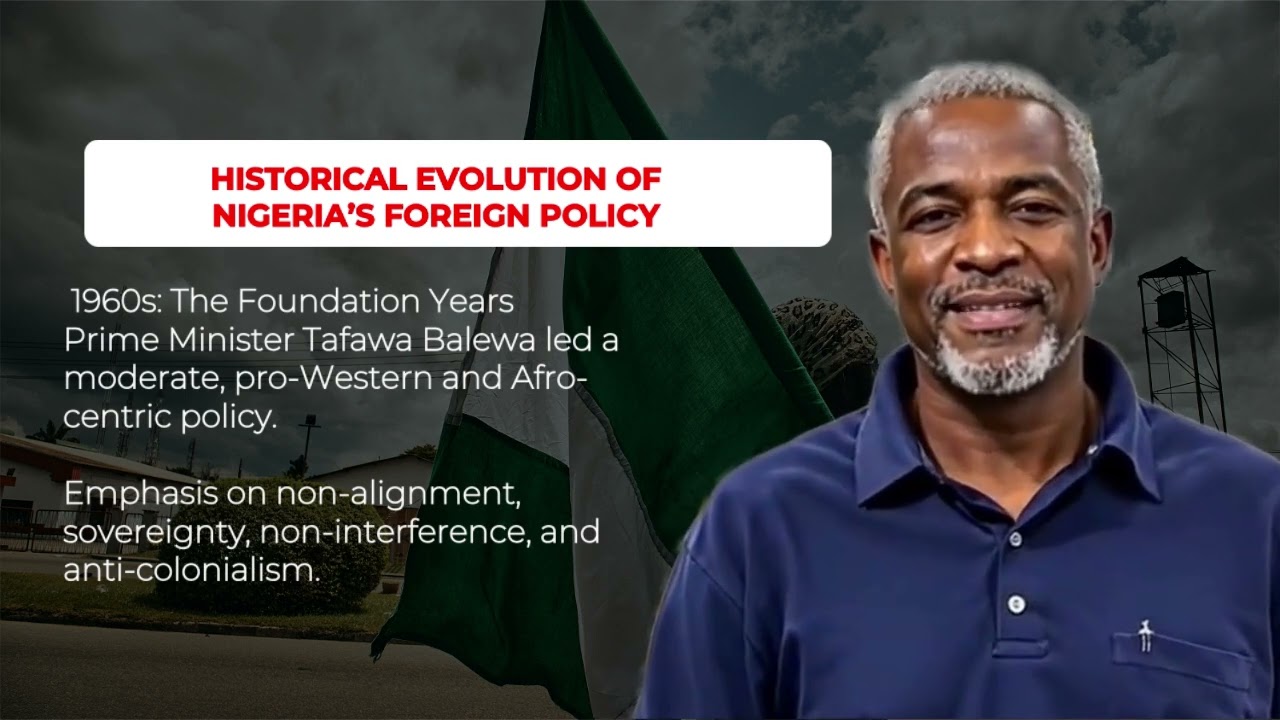
III. HISTORICAL EVOLUTION OF NIGERIA’S FOREIGN POLICY
A. 1960s: The Foundation Years
Prime Minister Tafawa Balewa led a moderate, pro-Western and Afro-centric policy.
Emphasis on non-alignment, sovereignty, non-interference, and anti-colonialism.
Nigeria joined the United Nations (UN) in 1960 and Commonwealth of Nations.
B. 1970s: Radical Afrocentrism and Economic Diplomacy
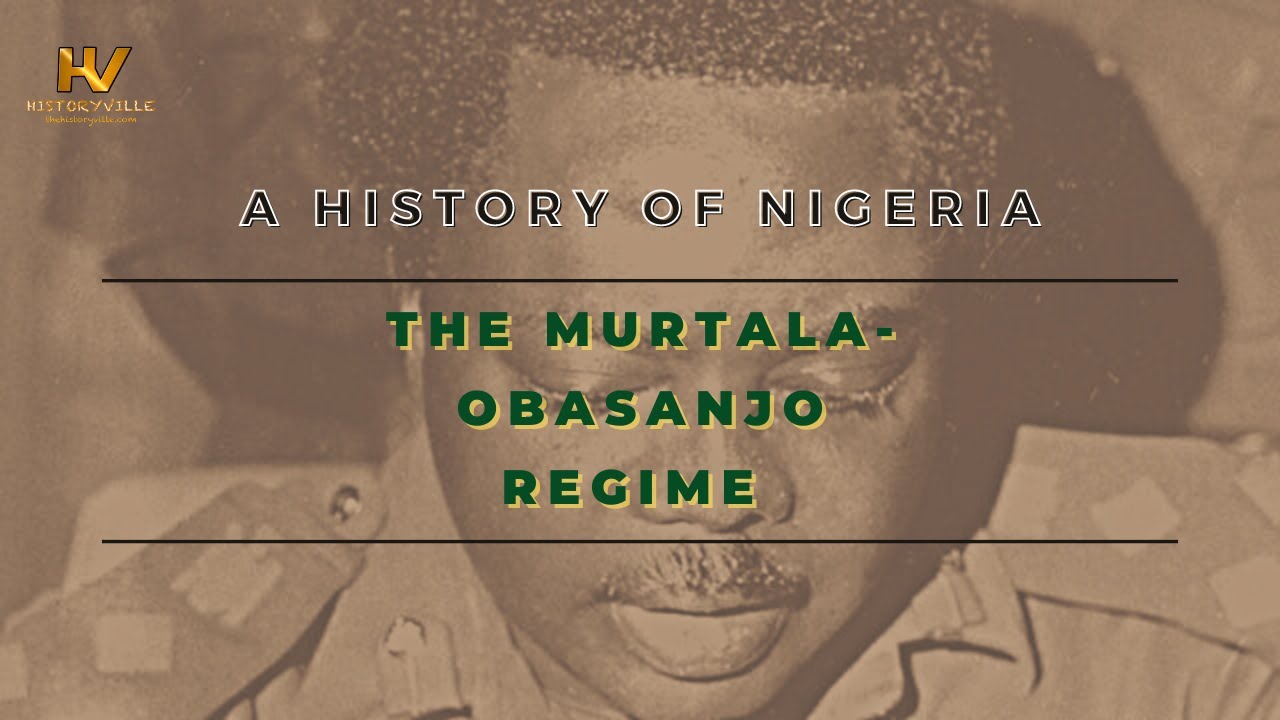
General Murtala Mohammed and Olusegun Obasanjo made Africa the centerpiece of foreign policy.
Support for liberation movements in Angola, Zimbabwe, South Africa, Mozambique.
Recognition of MPLA in Angola marked Nigeria’s bold entry into African diplomacy.
C. 1980s–1990s: Challenges and Isolation
Military regimes and human rights abuses led to diplomatic sanctions.
The execution of Ken Saro-Wiwa and the Ogoni 9 in 1995 resulted in Nigeria's suspension from the Commonwealth.
Повторяем попытку...
Доступные форматы для скачивания:
Скачать видео
-
Информация по загрузке: