Digging Deep: Why Heavy Machinery Beats Shovels for Urban Renovations
Автор: Machines & Soil
Загружено: 2026-06-10
Просмотров: 4982
Описание:
Heavy Metal Meets Hard Soil
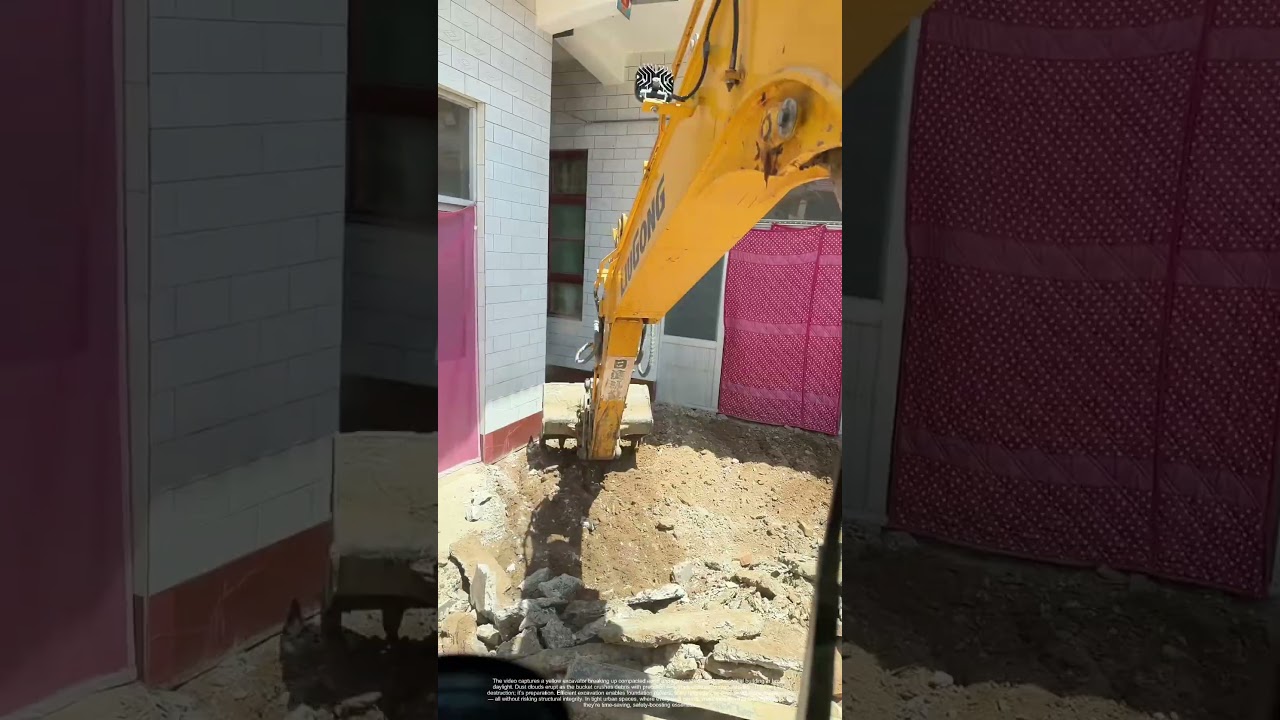
In many rural and semi-urban zones across Asia, construction often happens right next to living quarters — no buffer zones, no demolition permits, just immediate need. That’s why excavators like the one shown are becoming the quiet backbone of neighborhood makeovers. Unlike bulldozers that push earth, excavators dig with pinpoint control — their articulated arms let operators reach tight corners, avoid walls, and extract debris without collateral damage. The machine’s bucket, reinforced with wear plates, doesn’t just smash; it fractures concrete into manageable chunks, ready for hauling or recycling.
This isn’t brute force for show. It’s calculated power. The hydraulic system delivers torque precisely where needed — under the bucket’s cutting edge — minimizing vibration that could destabilize nearby walls. Engineers design these machines with counterweights and articulated joints that balance load dynamically, preventing tipping even when working on uneven ground. And because they’re mounted on tracks instead of wheels, they distribute weight more evenly — crucial when you’re operating inches from a painted brick facade.
Why Machines Matter More Than Muscle Here
• Speed = Safety: A worker with a sledgehammer might take hours to break up 10 square meters of concrete. An excavator does it in minutes — reducing exposure to dust, noise, and vibration.
• Precision Prevents Collapse: Manual digging risks hitting unseen pipes or weakening foundations. Excavators can be operated with millimeter adjustments, especially when paired with laser-guided systems (though not visible here).
• Cost Efficiency Over Time: Sure, renting the machine costs money. But it saves wages for multiple laborers, reduces project timeline, and avoids delays caused by fatigue or injury.
• Environmental Edge: Modern excavators recirculate hydraulic fluid and often use Tier 4 engines that cut emissions by up to 90% compared to older models. The debris? Often reused as base material for new pathways or driveways.
Cultural Context: When Progress Meets Tradition
You’re seeing something deeply symbolic here — the fusion of old and new. The house itself is built in a traditional style: white brickwork, red lattice doors, paper-cut decorations in the window. These aren’t just aesthetic choices — they reflect local climate adaptations (white reflects heat), cultural symbolism (red = luck), and regional material availability (locally fired bricks). Yet the machine digging in front? That’s globalization at work — imported technology adapting to local needs.
In many villages, families save for years to afford even basic renovations. An excavator rental isn’t a sign of wealth; it’s an investment in durability. When you’re pouring concrete for a new porch or laying sewer lines beneath your neighbor’s garden, you don’t want guesswork. You want a machine that knows exactly how much pressure to apply, where to stop, and when to switch modes from “dig” to “lift.”
Behind the Scenes: Operator Skill Matters More Than Horsepower
Most people assume bigger engines mean better results. Not true. The best excavator operators aren’t muscle-bound — they’re surgeons with joysticks. They read soil layers like geologists, feel resistance through vibrations, and anticipate how debris will shift mid-lift. Many start as apprentices at 16, learning to balance buckets on fence posts before touching real jobs.
In this scene, notice how the operator keeps the bucket angled slightly downward while breaking concrete — that’s intentional. It maximizes impact force while minimizing rebound. Also, the dust cloud? That’s actually a good sign — it means the material is dry and brittle, easier to fracture than wet, sticky clay.
Final Thought: Progress Isn’t Always Noisy
There’s a myth that development means tearing down everything old to build shiny new towers. But real progress? It’s about making the existing world safer, cleaner, and more livable — without erasing its soul. This excavator isn’t destroying a home; it’s helping preserve it. By reinforcing foundations, clearing rubble, and preparing space for modern utilities, it’s ensuring that houses like this one — with their red doors and hand-painted signs — can stand another century.
And yes, sometimes that means watching heavy machinery dance between two houses, kicking up dust while neighbors sip tea nearby. That’s not chaos. That’s harmony — engineered.
Повторяем попытку...
Доступные форматы для скачивания:
Скачать видео
-
Информация по загрузке: