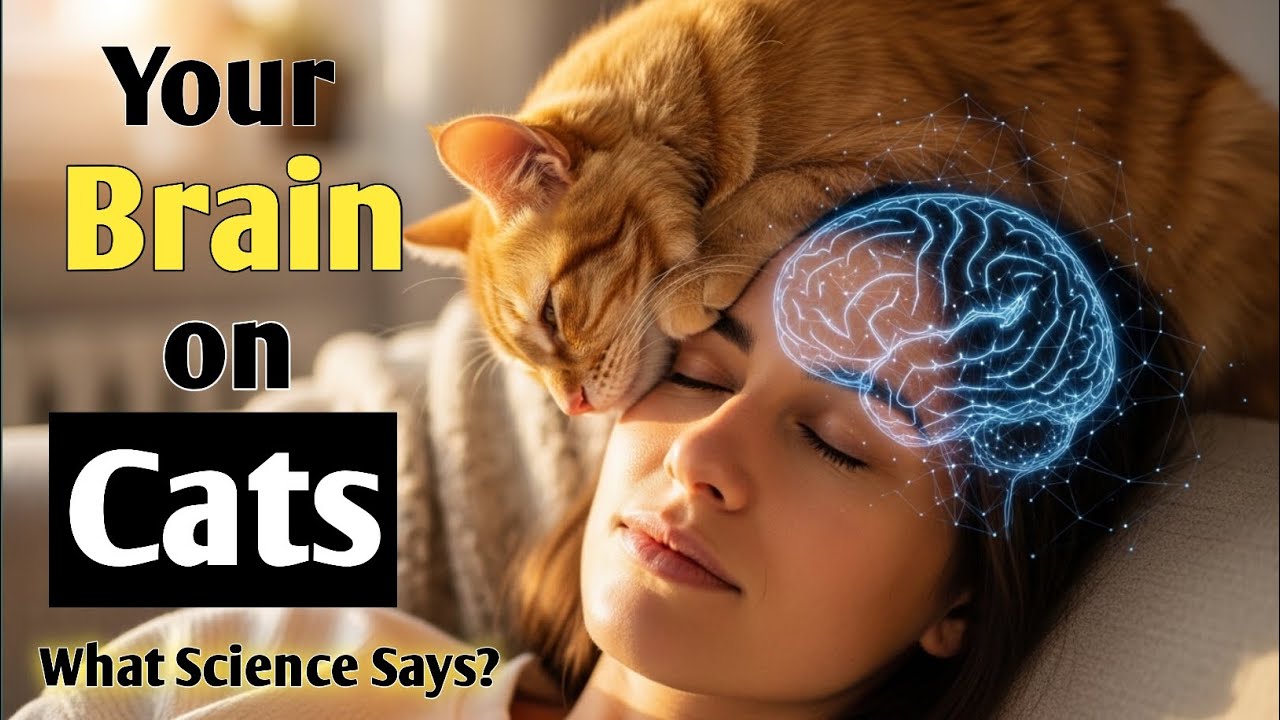
The Psychology of Cat People: Why Your Brain Works Differently
Автор: Psychology Exposed by Sam
Загружено: 2026-02-19
Просмотров: 3
Описание:
What if the reason you prefer cats over dogs isn't about personality at all—but about how your nervous system is literally wired? In this video, we break down the psychological and neurological reasons why cat people process the world differently. From the calming frequency of a purr to the deep sense of safety cats provide, you'll finally understand why that quiet connection feels so essential.
Cat people—defined by their preference for subtlety, sensitivity to overstimulation, and deep appreciation for quiet companionship—have been shaped by nervous systems that regulate through stillness rather than activity. These aren't personality quirks. They're biological adaptations. And once you understand the psychology behind them, everything about how you relate to cats—and people—starts to make sense.
In this video:
0:00 - The feeling every cat person knows
1:15 - Why your nervous system chose your cat
2:30 - Cat people vs. dog people: the regulation difference
3:45 - The purr frequency effect (this is wild)
4:40 - The intelligence connection and neuroticism factor
5:30 - Baby schema biology explained
6:00 - Why quiet isn't loneliness
If you're interested in psychology, human behavior, neuroscience, attachment styles, or simply want to understand why your relationship with your cat feels deeper than words can explain—this video provides research-backed insights and a fresh perspective on what it means to be a cat person.
If this video made you feel seen and you want more deep dives into the psychology of how we're wired, hit that subscribe button and turn on notifications. This channel exists for people who find clarity in quiet. For those who want to support these deep dives and get access to exclusive content, consider becoming a channel member. Your support makes this work possible. And if you enjoyed this, check out my playlist on The Psychology of Introverts—you'll find a lot of overlap with what we covered today.
References:
Dr. Denise Costello - Carol University: Feline-Human Bonding and Cognitive Trait Clustering (2021). Key finding: Cat owners consistently scored higher in openness to experience and cognitive test performance, while also showing elevated neuroticism scores compared to dog owners.
Journal of Comparative Psychology: Cross-Species Attachment Styles and Human Regulation Patterns (2019). Key finding: Humans who prefer cats show distinct autonomic nervous system responses to feline presence, including measurable decreases in cortisol and heart rate variability shifts.
Dr. John Bradshaw - University of Bristol: The Behaviour of the Domestic Cat (2013). Key finding: Cats do not interpret human interaction the way dogs do. Their affection is conditional and context-dependent, which paradoxically creates stronger bonds with humans who respect their autonomy.
Ethology and Human-Animal Interaction Research Group: Baby Schema Response in Domestic Cats vs. Infant Humans (2020). Key finding: The facial features of domestic cats trigger caretaking neural responses in humans that closely mirror responses to human infants, though with different emotional processing pathways.
Frontiers in Veterinary Science: The Therapeutic Frequency of Feline Purring (2018). Key finding: The 20-140Hz frequency range of domestic cat purrs correlates with therapeutic tissue regeneration and stress reduction in human subjects during co-regulation periods.
Disclaimer:
This channel is created for educational and informational purposes only. It is not intended to replace professional psychological or medical advice. If you have specific concerns about your mental health or well-being, please consult a qualified professional.
#Psychology #CatPsychology #Neuroscience #CatLovers #HumanBehavior
Повторяем попытку...
Доступные форматы для скачивания:
Скачать видео
-
Информация по загрузке: