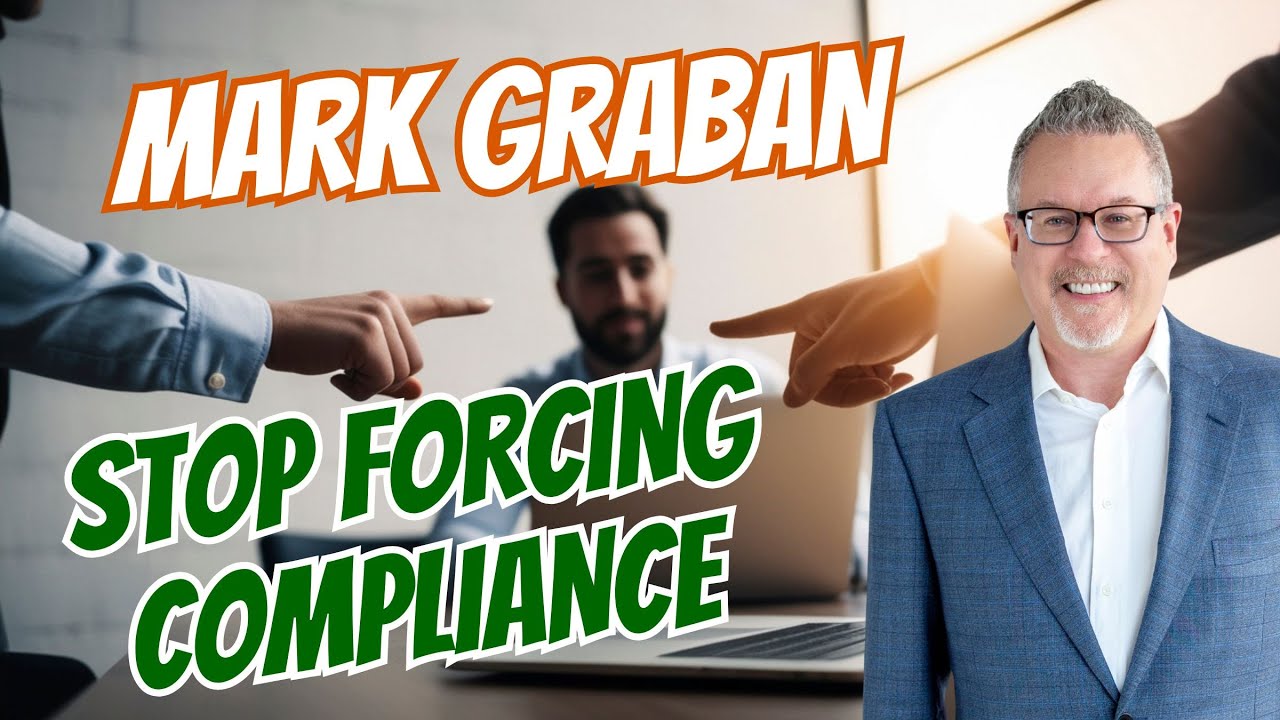
Stop Forcing “Compliance”: Why Standardized Work Fails (and What Lean Really Teaches)
Автор: Mark Graban
Загружено: 2011-12-13
Просмотров: 892
Описание:
If you’ve created a “Lean process” but people aren’t following it, the instinct is often to ask:
“How do we get compliance?”
In this Lean Blog Q&A, Mark Graban challenges that very question — and explains why forcing compliance is usually the wrong answer in Lean management.
Drawing on the Respect for People principle and lessons from the Toyota Production System, Mark explains:
Why standardized work should never be imposed from above
What Taiichi Ohno actually said about standards
Why people are more likely to follow processes they helped create
How leaders should respond when standardized work isn’t being followed
The difference between rigid rules and flexible, thinking standards
This is especially relevant in healthcare and knowledge work, where professionals must adapt to real-world conditions — not blindly follow rules.
👉 Standardized work is not about shutting off people’s brains.
👉 It’s about creating shared agreements that make problems visible and improvement possible.
If you’re a leader, manager, consultant, or Lean practitioner struggling with adoption, resistance, or “workarounds,” this video will help you reframe the problem — and respond more effectively.
📌 Learn more at LeanBlog.org
🎙️ Host: Mark Graban
#LeanLeadership #StandardizedWork #RespectForPeople #LeanThinking
#ContinuousImprovement #HealthcareLean #Kaizen #LeadershipDevelopment
#ToyotaProductionSystem #PsychologicalSafety #leanmanagement
Editor’s Note (2026):
As organizations increasingly rely on AI-driven workflows, digital standard work, automated prompts, and real-time dashboards, the temptation to enforce compliance through technology is stronger than ever. But Lean lessons still apply.
AI can surface recommendations. Dashboards can highlight deviations. Automation can lock steps into software.
What they cannot do is create commitment, judgment, or ownership.
When digital standard work is imposed without involvement, explanation, or respect, people disengage — or find workarounds faster than ever. The risk isn’t just non-compliance; it’s silent failure hidden behind “green” dashboards.
In 2026 and beyond, Lean leaders must ask:
Did people help design the standard — or was it encoded for them?
Does the system support thinking, or replace it?
Are deviations treated as learning opportunities — or as alerts to suppress?
Technology can scale standards.
Only leadership and respect for people can make them work.
Повторяем попытку...
Доступные форматы для скачивания:
Скачать видео
-
Информация по загрузке:


