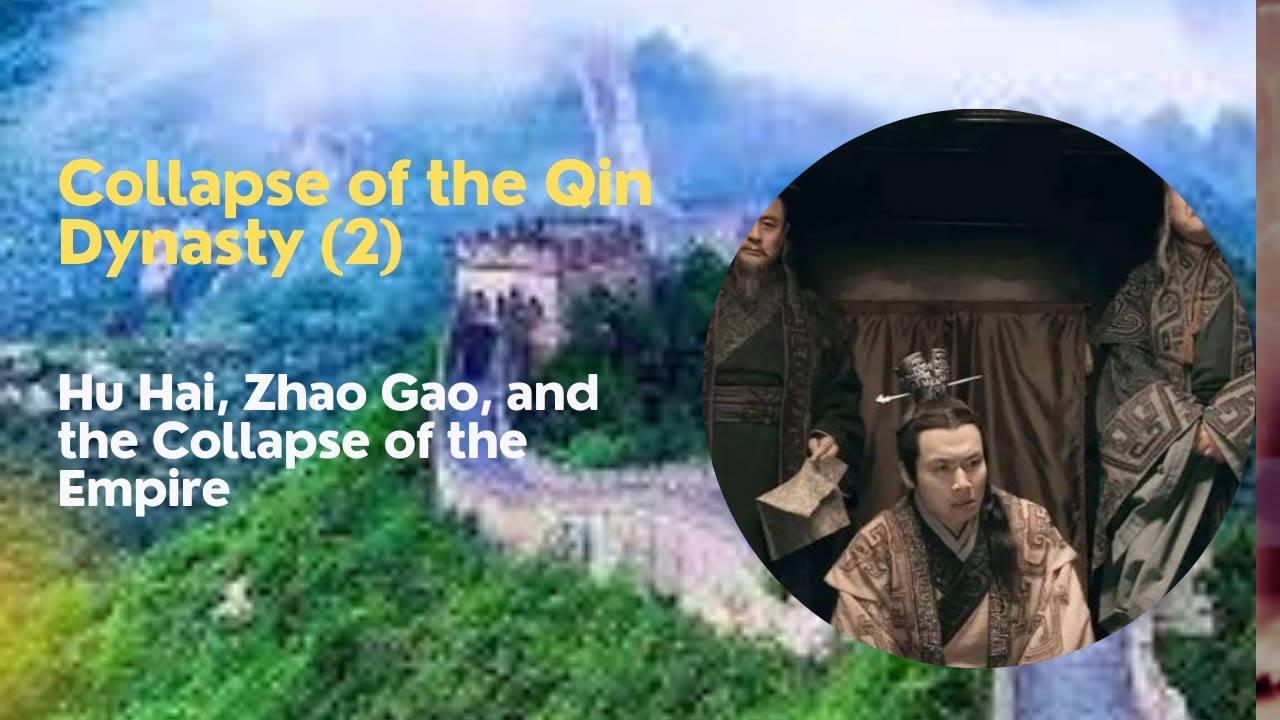
Collapse of the Qin Dynasty: Hu Hai, Zhao Gao, and the Collapse of the Empire
Автор: Path of Wisdom and Enlightenment智悟之道
Загружено: 2024-07-22
Просмотров: 177
Описание:
Please subscribe to my channel: / @wisdomandtao
Focusing on talent over virtue allowed power-hungry and selfish individuals like Li Si and Zhao Gao to rise to power, creating potential for future political conflicts.
Li Si's Ambition:
Li Si, an important advisor and prime minister, allowed his ambition and selfishness to lead him to conspire with Zhao Gao, sacrificing Fusu and Meng Tian to maintain his position and power.
Zhao Gao's Manipulation Skills:
Zhao Gao was adept at power plays and manipulating his superiors. He used Hu Hai's lack of political wisdom and Li Si's ambition to control them as his pawns, forging an edict to have Fusu and Meng Tian killed.
Hu Hai's Puppet Status:
Hu Hai, due to his lack of political acumen and judgment, was manipulated by Zhao Gao and became a puppet emperor.
Qin Shi Huang's Oversight:
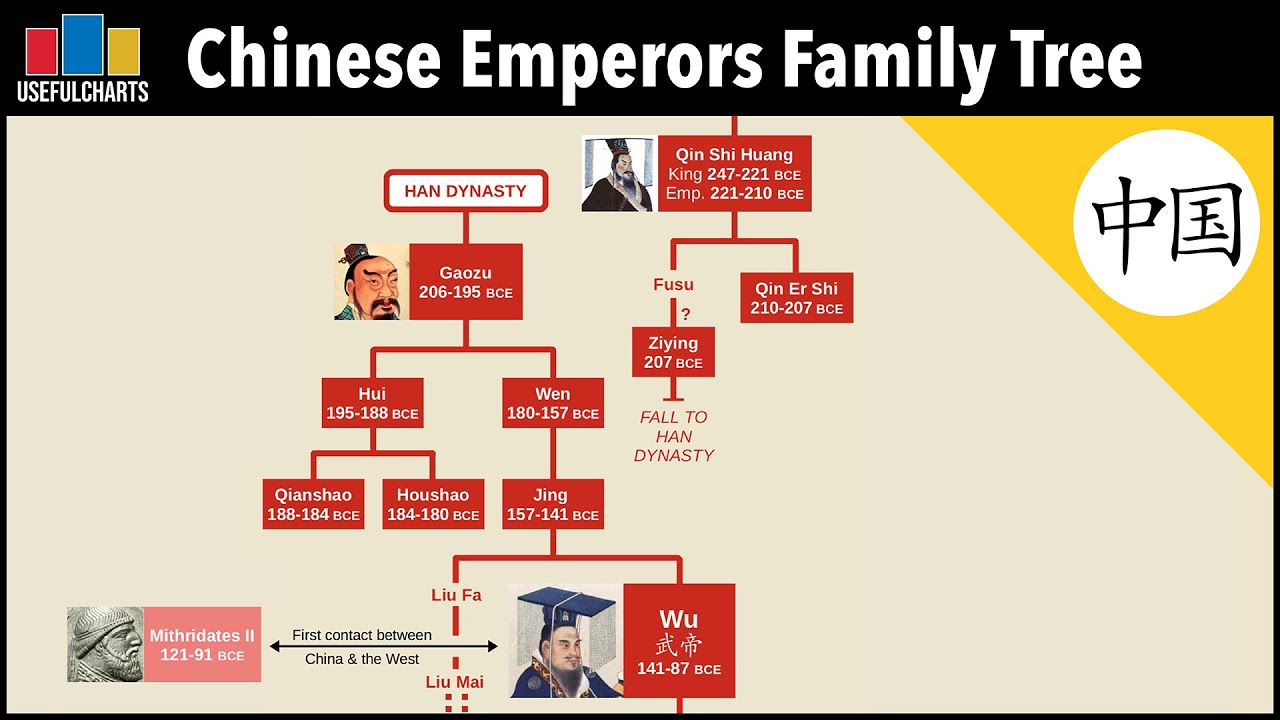
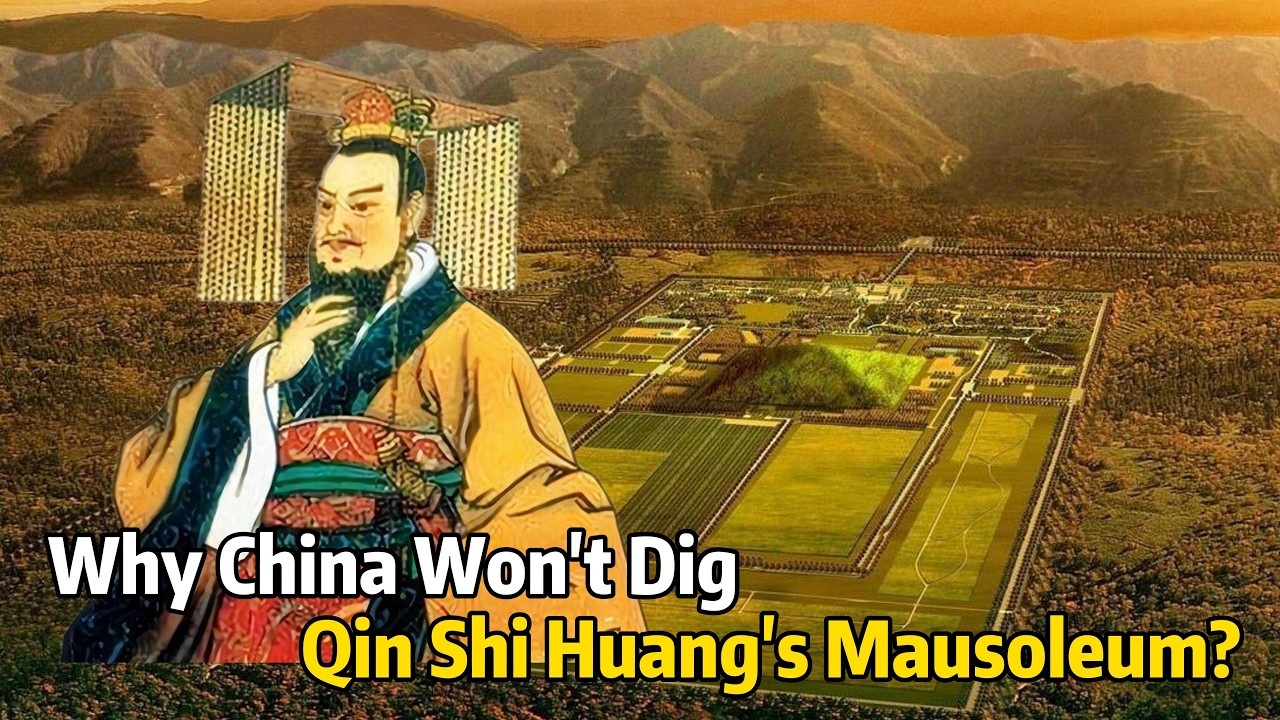
Qin Shi Huang failed to recognize the dark side of human nature. During his final days, he did not inform all officials of the edict to pass the throne to Fusu, leading to the edict being withheld. Zhao Gao, in collusion with Li Si and Hu Hai, forged an edict for Fusu and Meng Tian to commit suicide, leading to their deaths and the subsequent collapse of the Qin Dynasty.
Historical Lessons
Balance Talent with Virtue:
The rise and fall of the Qin Dynasty provide profound lessons. The appointment of officials should balance talent with virtue, the succession of the throne should be clear and just, and political struggles should prioritize the interests of the state and people.
Understanding Human Nature:
Qin Shi Huang failed to fully understand the complexity of human nature, especially how power can amplify the dark sides of individuals. This serves as an important warning for any ruler or manager.
Reflections Encouraged by the I Ching:
The I Ching encourages self-reflection, suggesting that Qin Shi Huang should regularly reflect on his policies and actions to ensure he does not deviate from the correct path of governance.
Adopting more harmonious, balanced, and moderate policies, focusing on virtue and the needs of the people, might have moved the Qin Dynasty towards a more stable and prosperous future.
Prosperity Leads to Decline:
The fall of the Qin Dynasty verifies the I Ching's principle that extreme prosperity can lead to decline. Modern enterprises and nations should remain cautious after achieving great success to avoid becoming arrogant and complacent.
Balance and Restraint of Power:
Although centralized power can accomplish great things in the short term, excessive concentration of power in the long run can lead to a lack of checks and balances, ultimately resulting in catastrophic consequences. Modern political systems should value the balance of power to ensure that power operates within legal and moral boundaries.
Importance of Succession:
A clear succession system and thorough training of successors are crucial for maintaining stability. Modern businesses and family enterprises should also emphasize the cultivation of successors and smooth transitions of power to avoid power vacuums and internal divisions.
Hu Hai's Actions and Their Impact on the Chaos
Manipulation by Zhao Gao:
During Hu Hai's reign, power was effectively manipulated by Zhao Gao. Zhao Gao's scheming and manipulation led to political chaos and corruption. The famous historical anecdote "calling a deer a horse" originates from Zhao Gao's manipulative actions.
Political Purges:
Influenced by Zhao Gao, Hu Hai carried out large-scale political purges against his father's old ministers and his siblings, killing at least 22 siblings to secure his throne. Many of Qin Shi Huang's old ministers were also purged, causing widespread fear and instability, setting the stage for later uprisings.
Increased Taxes and Forced Labor:
Hu Hai continued and intensified the heavy taxation and forced labor policies from Qin Shi Huang's time, making people's lives even harder.
Neglect of People's Welfare:
Hu Hai failed to take measures to alleviate the people's burden, instead exacerbating their suffering, leading to widespread discontent.
Continued Extravagant Construction:
Hu Hai continued the extravagant construction projects initiated by Qin Shi Huang, such as the expansion of the Epang Palace, consuming enormous resources.
Harsh Legal System:
Hu Hai inherited the harsh legal system of the Qin Dynasty, with even more severe punishments, increasing societal tension.
Lack of Effective Governance:
Hu Hai lacked governance skills and political foresight, leading to the gradual collapse of the political system.
Control and Manipulation by Zhao Gao:
Zhao Gao tightly controlled and manipulated Hu Hai, blocking information and preventing him from knowing the real situation, leading to ineffective responses to uprisings. Zhao Gao's actions contributed to the Qin Dynasty's inability to effectively handle the uprisings.
Hu Hai's Death and Zhao Gao's Ambition:
Повторяем попытку...
Доступные форматы для скачивания:
Скачать видео
-
Информация по загрузке: