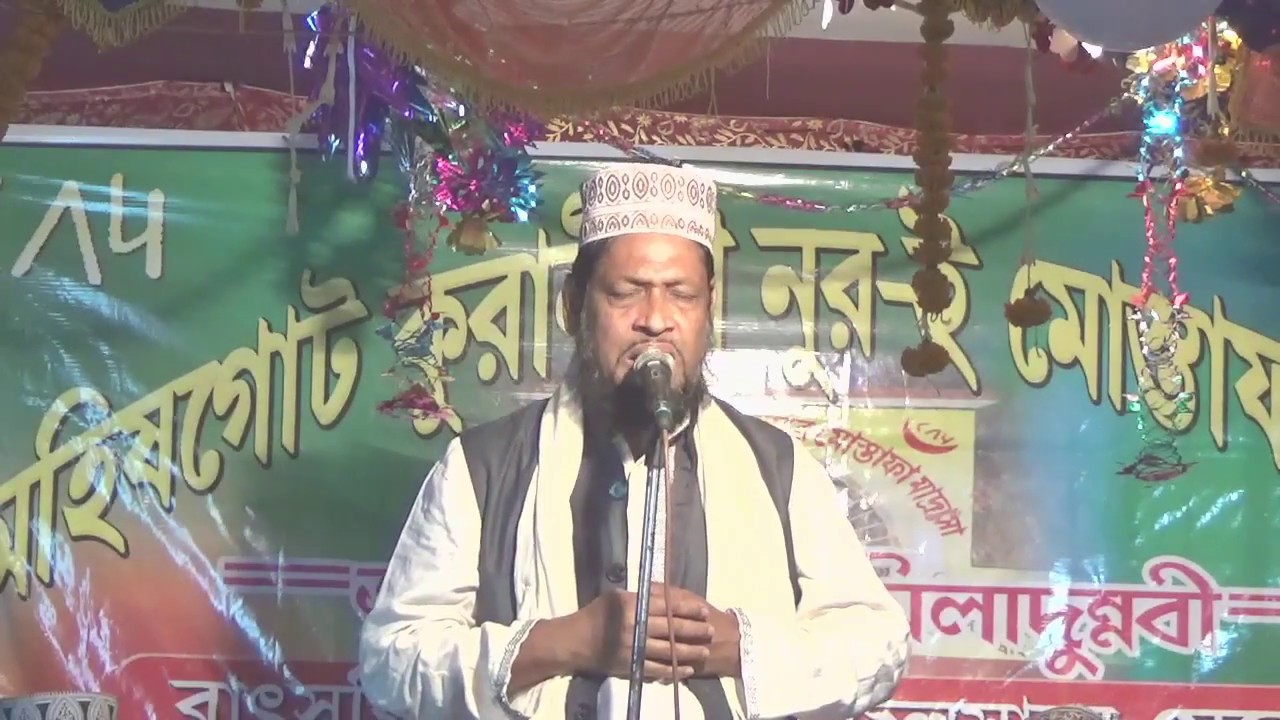
Khwaja Baqi Billah Naqshbandi | A few words of devotion about Hazrat Khawaja Baqi Balla Alayhe Rahma
Автор: HUJJATUL ISLAM NETWORK
Загружено: 2020-12-19
Просмотров: 1201
Описание:
Khwaja Muhammad Baqi Billah Naqshbandi (971-1012 AH)
..............................................................................
Hadhrat Khwāja Muhammad Bāqī Billāh Berang Naqshbandī Ahrārī Dihlawī quddisa sirruhū (may his secret be sanctified) was a great Sufi master of the Naqshbandī-Ahrārī Sufi order, who established and propagated the Naqshbandī order in India.
He was born in Kābul (Afghanistan) in 971 or 972 AH. Some sources mention his date of birth to be 5 Zul-Hijjah. His father Qāzī Abd as-Salām Samarqandī was a pious saint and had Turkish ancestry, while his mother was a noble Sayyida. His father lived in Samarqand and later migrated to Kabul, where the venerable Khwāja was born. He was named by his parents “Muhammad al-Bāqī” and later became popular with the name “Bāqī Billāh”. His takhallus (pen name) was Berang (which literally means colorless or transparent).
He started his education with Mawlānā Sādiq Halwāī, and later traveled with him from Kābul to Māwarannahr (Transoxiana) and continued his education there.
For spiritual training, he accompanied several of the masters of Sufism in many places, including Māwarannahr, Afghanistan, Kashmīr, and India. Finally, he received the spiritual secret from Hadhrat Khwāja Muhammad Khwājagī Amkanagī. He later traveled to India and stayed for one year in Lahore, and then settled in Delhi.
The venerable Khwāja Bāqī Billāh had extreme humbleness and he never considered himself better than anyone. One notable display of his humbleness is reported as follows. A young person used to live in the neighborhood of Khwāja. He was very immoral and debauch person who often showed mischief and wickedness. Hadhrat Khwāja would tolerate his mischievous behavior with utmost patience. His murid Khwāja Hasām ad-Dīn however could not be so patient, and one day complained to the police inspector who arrested that young person and sent him to the prison. When Khwāja Bāqī Billāh heard about it, he was annoyed with Khwāja Hasām ad-Dīn and asked him why he had complained? Khwāja Hasām ad-Dīn replied: Shaykh! He is a very immoral and wicked person; his wickedness had exceeded the limits. On hearing this reply, Hadhrat Khwāja Bāqī Billāh made a cold sigh and said: “Yes brother! You consider yourself pious, saintly and good folk, and that is why that person seemed to you immoral and wicked. I do not see myself in any way better and different to him.” After this, he freed that person from the prison, who was ashamed and became pious and well-behaved.
The noble Khwāja was a firm follower of the Ahl as-Sunnah creed and often emphasized this in his teachings. While explaining the meanings of Sūrah al-Fātiha, he describes the meaning of Sirāt al-Mustaqīm (the straight path) in the following words:
“It is a consensus of the truthful and the qualified researchers that the straight path [Sirāt al-Mustaqīm] is the path of Ahl as-Sunnah wal-Jamā’ah.”
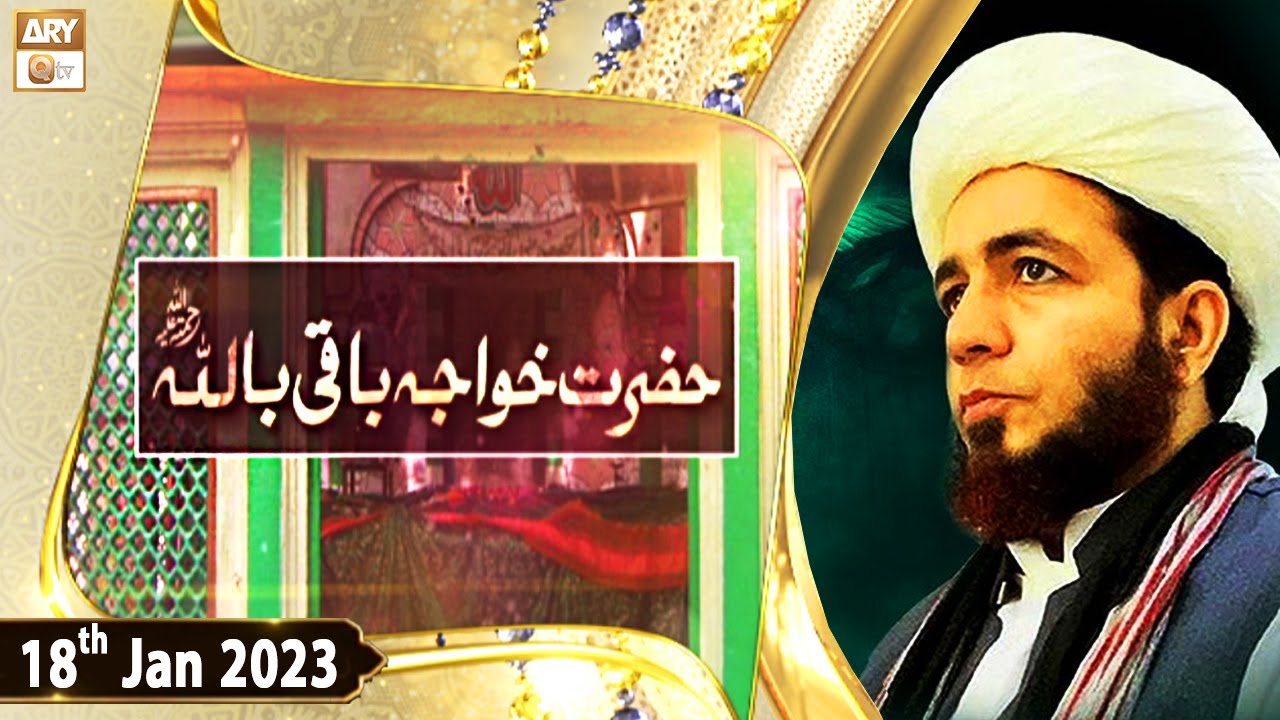
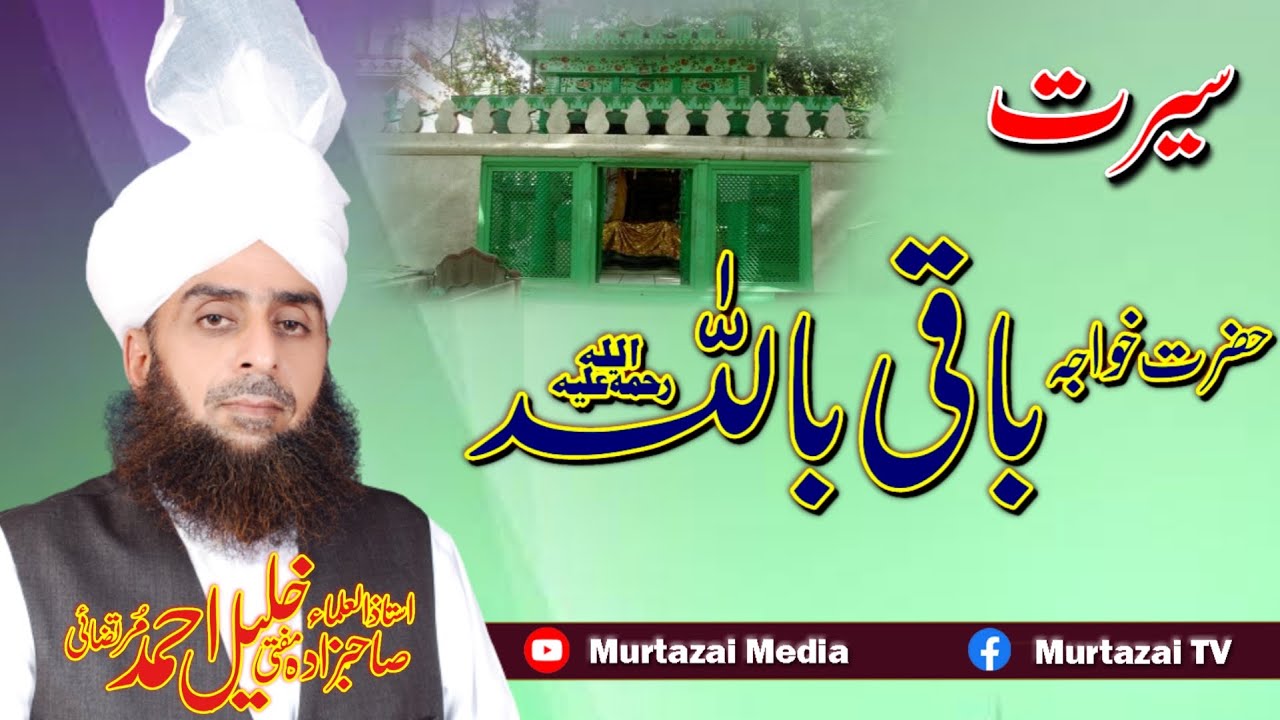
The venerable Khwāja passed away on Saturday 25 Jumādā al-Akhira 1012 AH (29 November 1603) before sunset, at the age of forty years. He was buried on the next day the 26th of Jumādā al-Akhira. His final resting place is a Sufi shrine in Delhi, visited by thousands of his followers and lovers.
Повторяем попытку...

Доступные форматы для скачивания:
Скачать видео
-
Информация по загрузке: