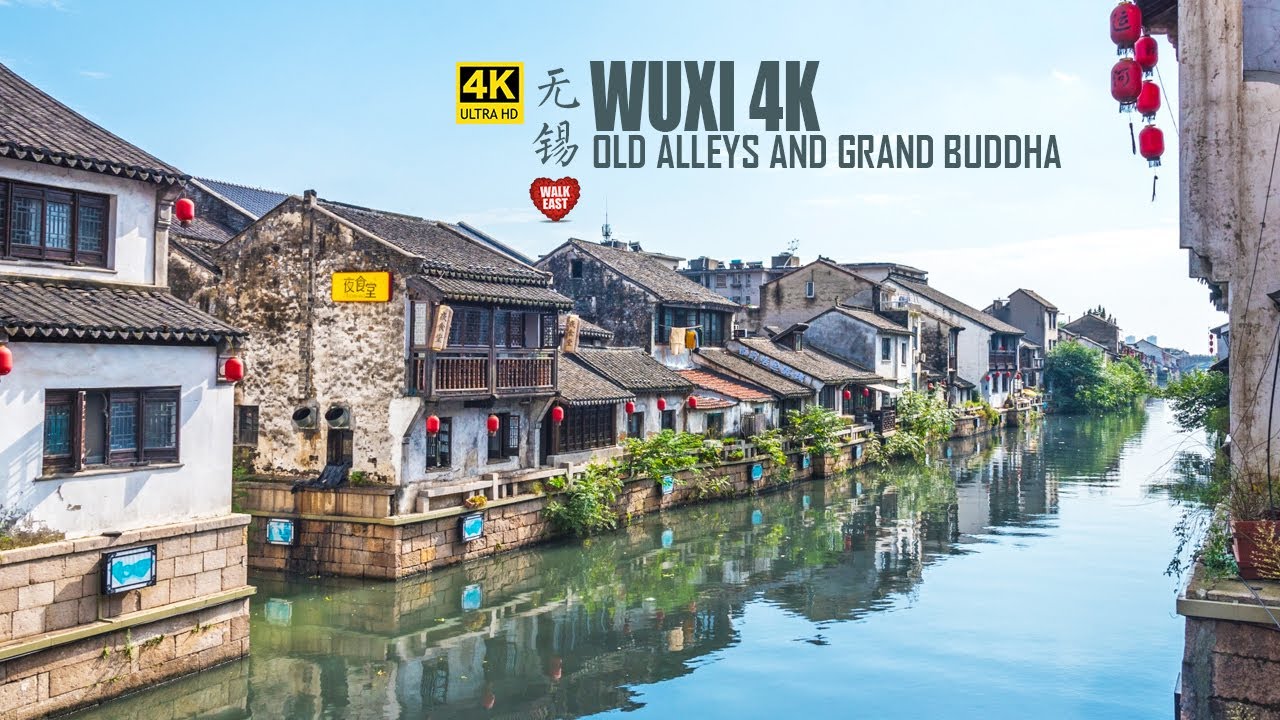
Wuxi City Walking Tour | Old Alleys and Lingshan Grand Buddha | Jiangsu, China | 4K HDR | 无锡 | 灵山大佛
Автор: Walk East
Загружено: 2021-10-17
Просмотров: 244077
Описание:
Wuxi, a city near Shanghai in eastern China, sits on the banks of Taihu, one of China's largest freshwater lakes.
Surrounding Taihu are walking trails, a 115m-tall Ferris wheel and parks such as Yuantouzhu (Turtle Head Isle).
Another major park is Lingshan, whose notable Buddhist sites include the bronze Grand Buddha statue, which is more than 80m high.
Wuxi is a prominent historical and cultural city of China, and has been a thriving economic center since ancient times as a production as an export hub of rice, silk and textiles.
The city lies in the southern delta of the Yangtze River and on Lake Tai, which with its 48 islets is popular with tourists.
Wuxi (无锡) is an industrial city on the Yangtze River between Shanghai and Nanjing.
Wuxi is in the south of Jiangsu Province, approximately half way between the cities of Shanghai and Nanjing, the former 128 km (80 mi) to its east, the latter 183 km (113 mi) to its west. Along with nearby city Suzhou, Wuxi is a popular travel destination for visitors to Shanghai and being less than an hour away by train, busy weekend retreat area for locals in the area. In its south is Lake Taihu and its northern border is the Yangtse River. The city is under direct jurisdiction of the province and governs three cities and six districts. It has a population of 4.32 million and covers an area of 4,650 km² (2,889 mi²).
The climate of Wuxi is moist and temperate, belonging to that of the sub-tropical maritime with distinct seasons. The average annual temperature is 15.5℃ (60°F). There are 250 frostless days and the average rainfall is about 1,000 mm (39 in). There are hills, rivers and lakes in this area but the most part of it is plain area crisscrossed with canals and riverlets. With fertile soil and rich produce, it is the famous “land teeming with fish and rice” in China.
Belonging to one of the eight primitive cultural districts in China, Wuxi is a famous cultural city with a history of over 3,000 years. The establishment of the city can be traced back to the end of the Shang Dynasty. Taibo,the eldest son of emperor Zhouwu in the West Zhou Dynasty came here from the inland of China. He introduced the inland culture to the south and created the Wu culture. The place used to be rich in tin deposit during the Zhou and Qin dynasties. As the tin was depleted by the end of the Qin Dynasty, the place was called Wuxi, meaning “ a place without tin”.
Wuxi is endowed with rich natural and human resources with a galaxy of gifted persons and developed economy. As one of the birthplaces of China’s national industry and commerce, Wuxi is one of the fifteen economic centers in China. With convenient transportation network, Wuxi is a hub of transportation which connects Jiangsu, Zhejiang and Anhui provinces. Nine highways join Wuxi with important cities like Shanghai, Nanjing and Hangzhou. Shanghai-Nanjing railway and Shanghai-Nanjing expressway pass through the city. It takes about 3 hours by car to get from Wuxi to Pudong International Airport. There are seven water routes to various places in the country along Yangtse River, the Grand Canal and lake Taihu. With developed post and telecommunications system, direct calls can be made to 156 countries or regions in the world. The express mail services are established between Wuxi and 27 countries and regions in the world.
With rich natural and cultural heritage, Wuxi is one of the top ten tourist cities in China. The typical features of the area is that of the regions of rivers and lakes. Wuxi occupies the most scenic part of Lake Taihu and enjoys the beautiful scenery. Theme parks like the Tang City, the Three Kingdoms City, the Water Margin City which feature daily live shows are new tourist attractions. The 88-meter tall bronze Buddha statue (Linshan Dafuo) and the holiday resorts add more appeal to the visitors.
Wuxi is one of the older cities in the Yangtze River (Chang Jiang) delta area. It was originally known as a source of tin, but, by the time the county was founded in 202 BCE under the Xi (Western) Han dynasty (206 BCE–25 CE), the deposits had been exhausted, and the county was named Wuxi (“Without Tin”). From the end of the 3rd century the city was subordinated to the commandery (district under the control of a commander) of Biling (later Changzhou) and remained so except for a brief interval under the rule of the Yuan (Mongol) dynasty (1206–1368), when it was made an independent prefecture.
0:00 Intro
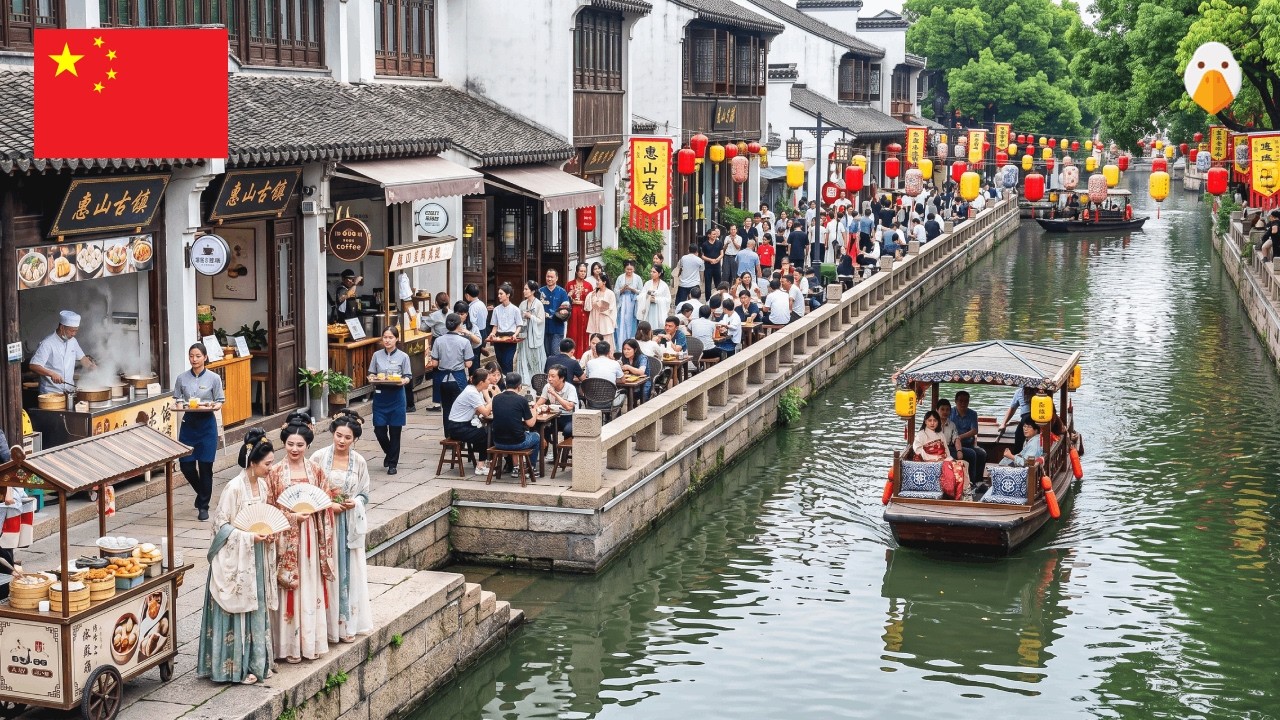
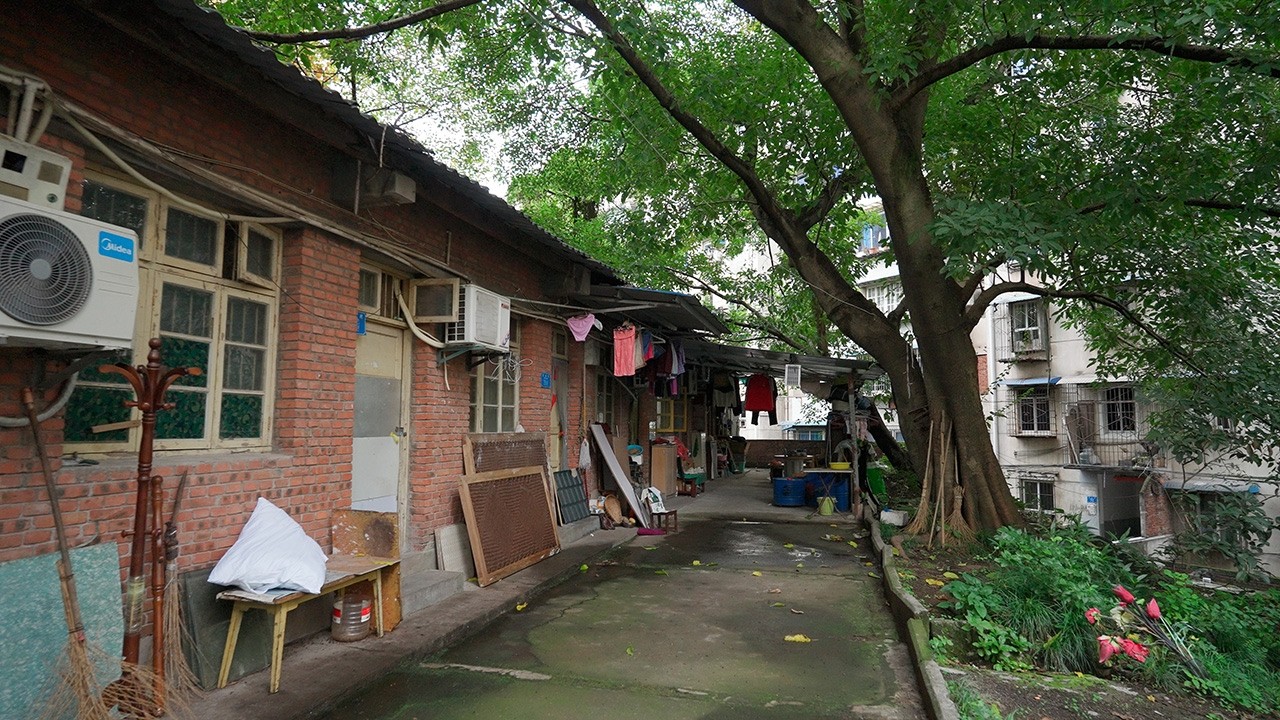
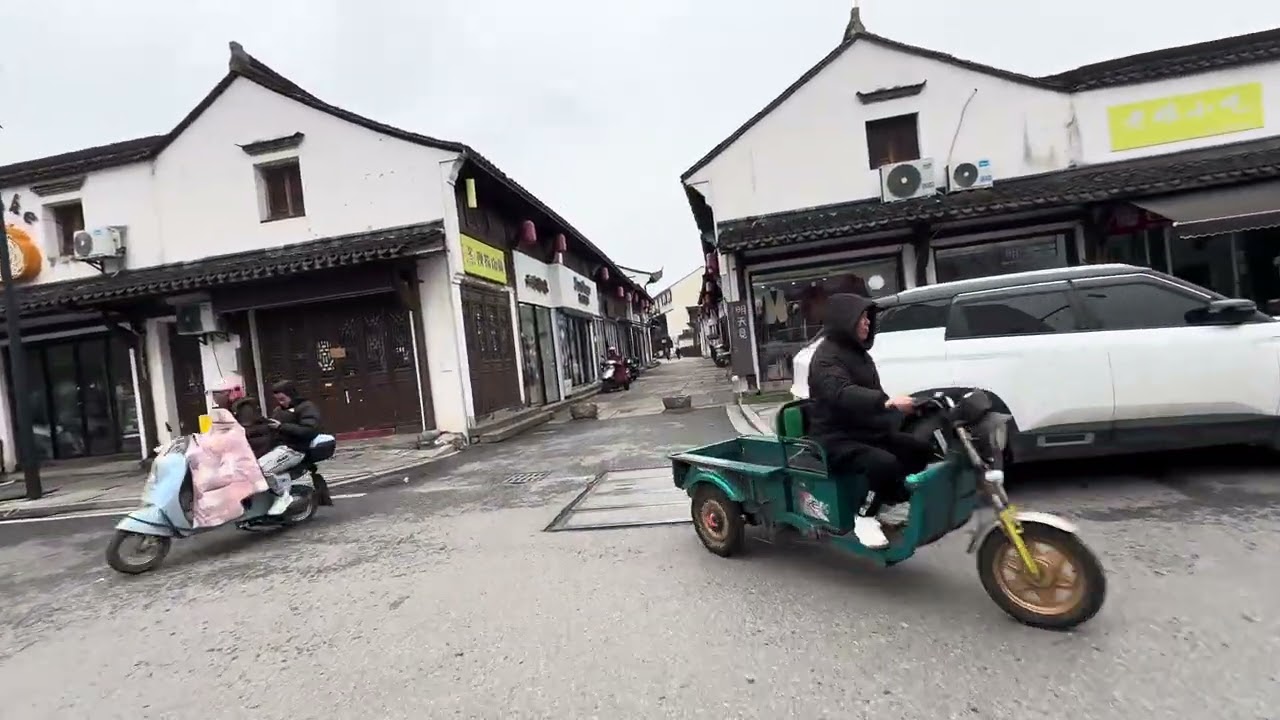
1:06 Wuxi Old Alleys
28:18 The Grand Buddha Park
54:31 Another version of opening scene
----------------------------
★★ Guys, I'm looking forward to know what you get from the video.★★
------------------------------
★★ City Walking Tours ★★
• Chinese Food Street | MUSEUM OF BROKEN REL...
If you enjoy my videos, please ★SUBSCRIBE★ my next walk,
/ @walkeast
Love and peace.
------------------------------
#Wuxi
Повторяем попытку...
Доступные форматы для скачивания:
Скачать видео
-
Информация по загрузке:



![Fuzhou, Fujian, China Walking Tour 1 | Walking Around the World [4K60fps]](https://imager.clipsaver.ru/TfCXCNDcQ08/max.jpg)