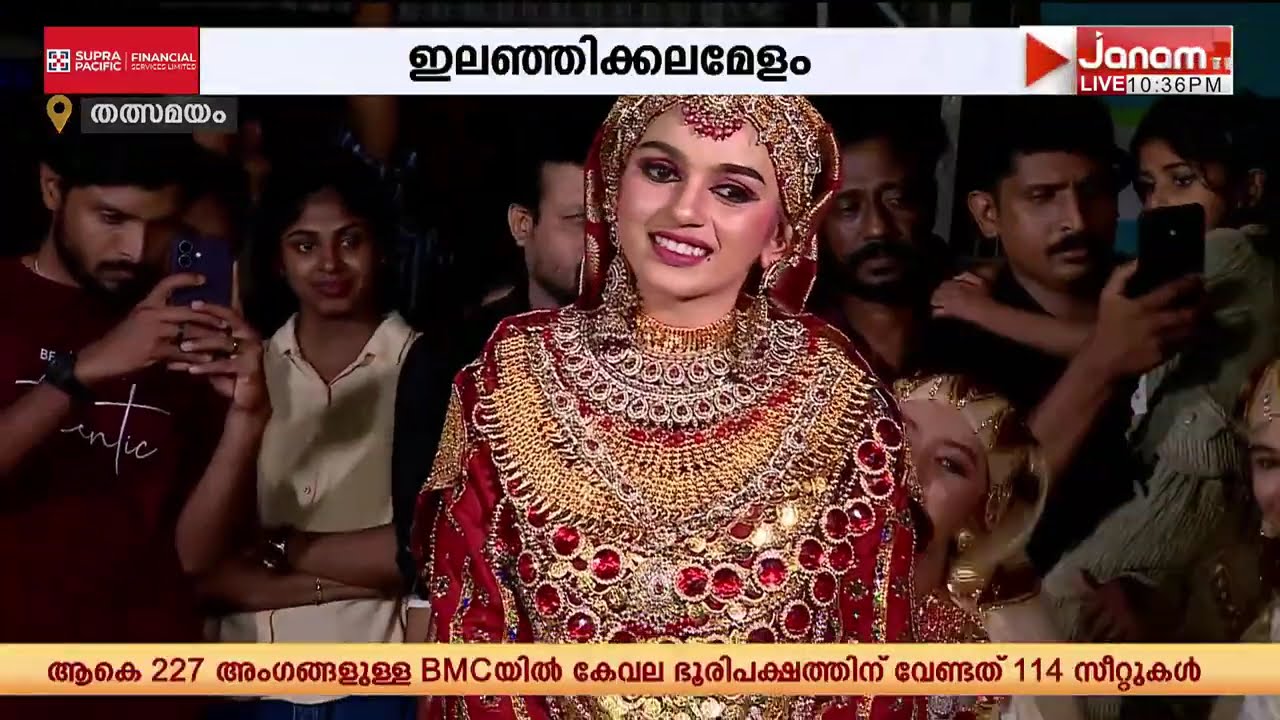
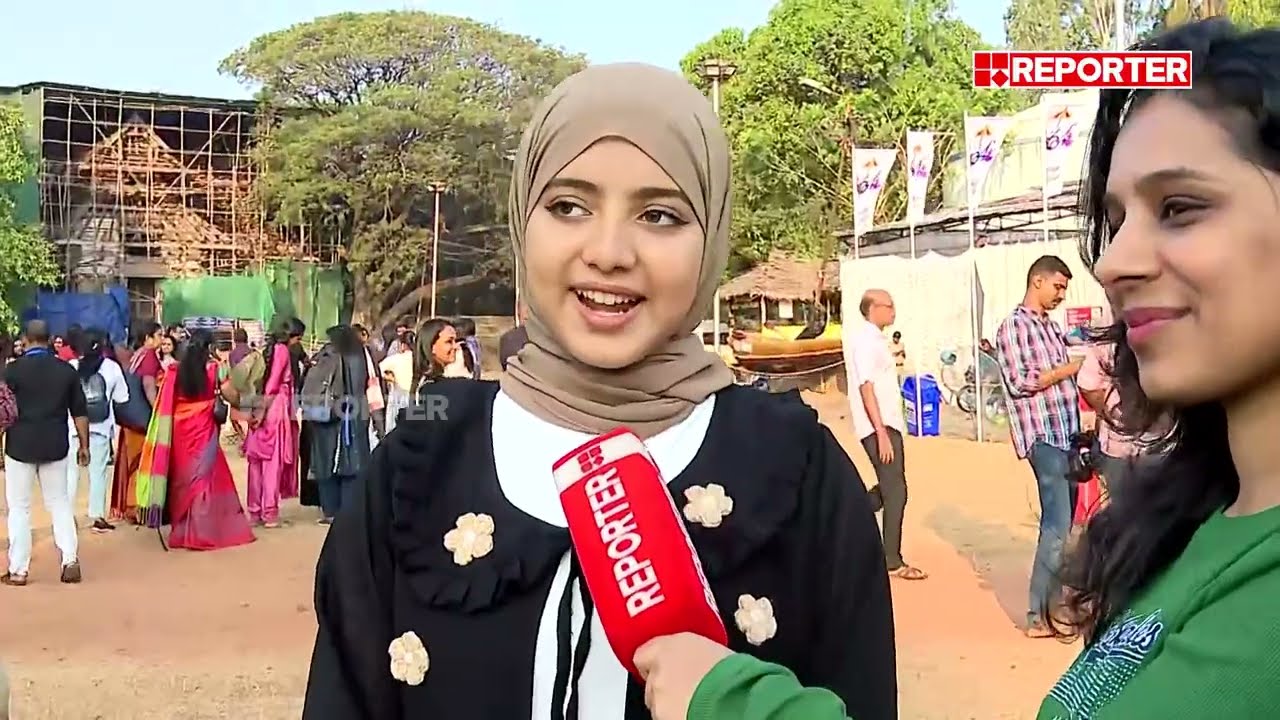
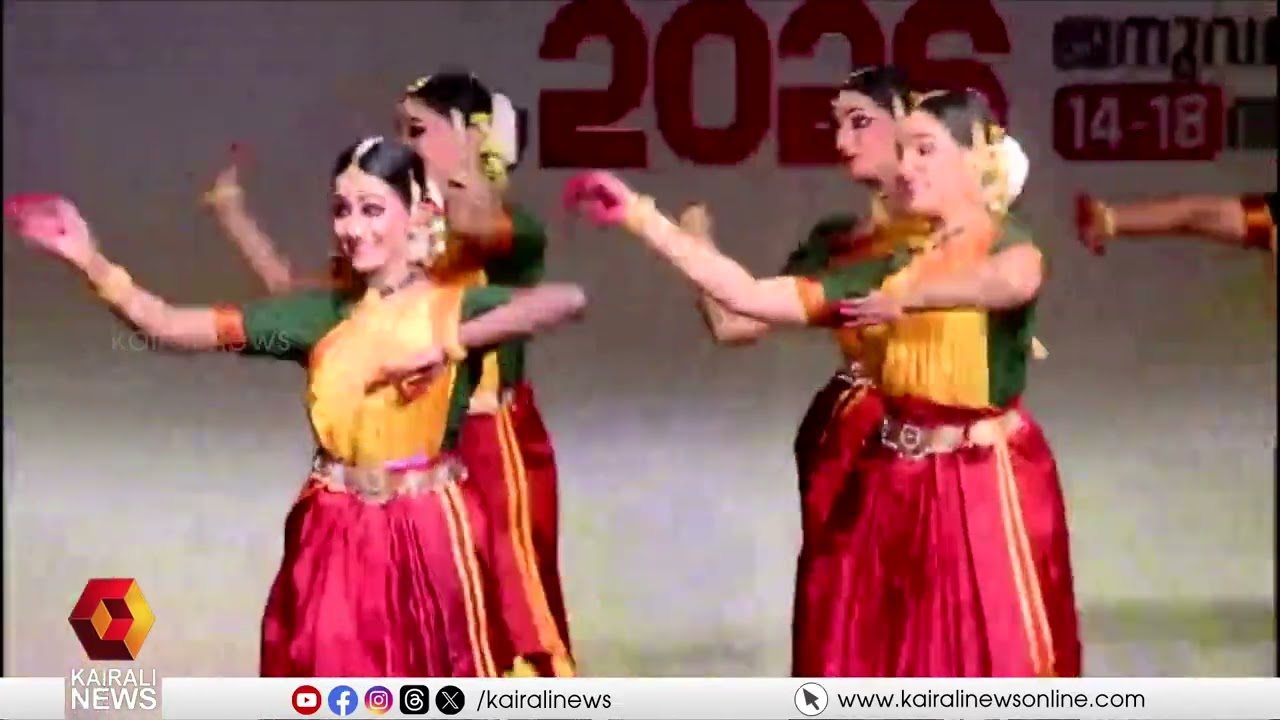
Mangalam Kali, Malappuram Team- Kerala School Kalolsavam | GLIVE MEDIA
Автор: GLIVE MEDIA
Загружено: 2026-01-16
Просмотров: 503
Описание:
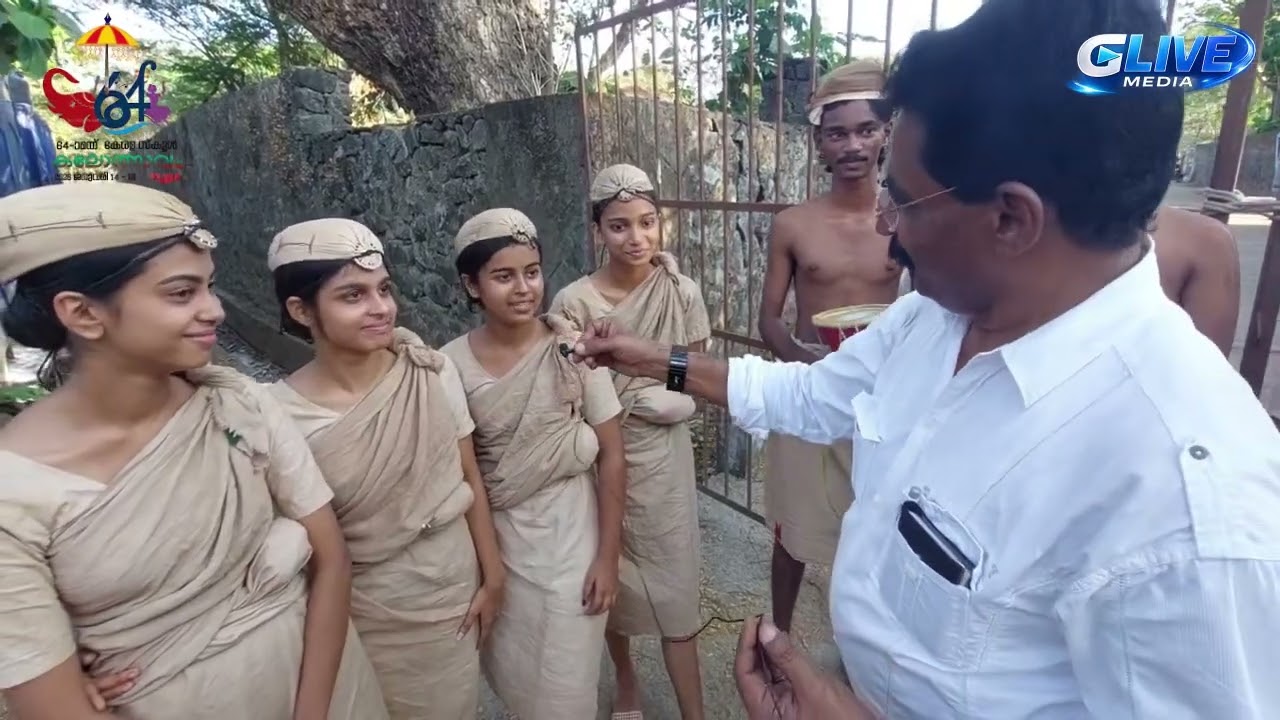
Mangalam Kali (Malayalam: മങ്ങലംകളി) is a traditional tribal dance form from North Kerala. While it was once on the verge of fading away, it has recently seen a significant cultural revival.
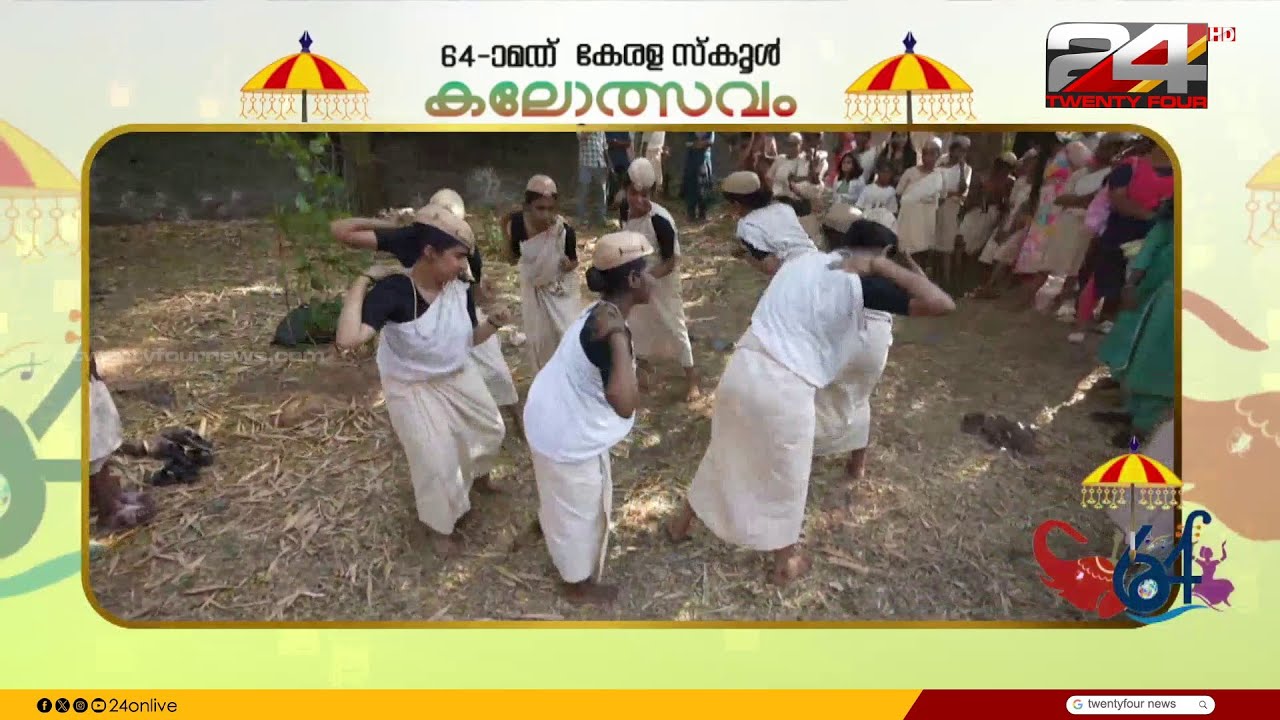
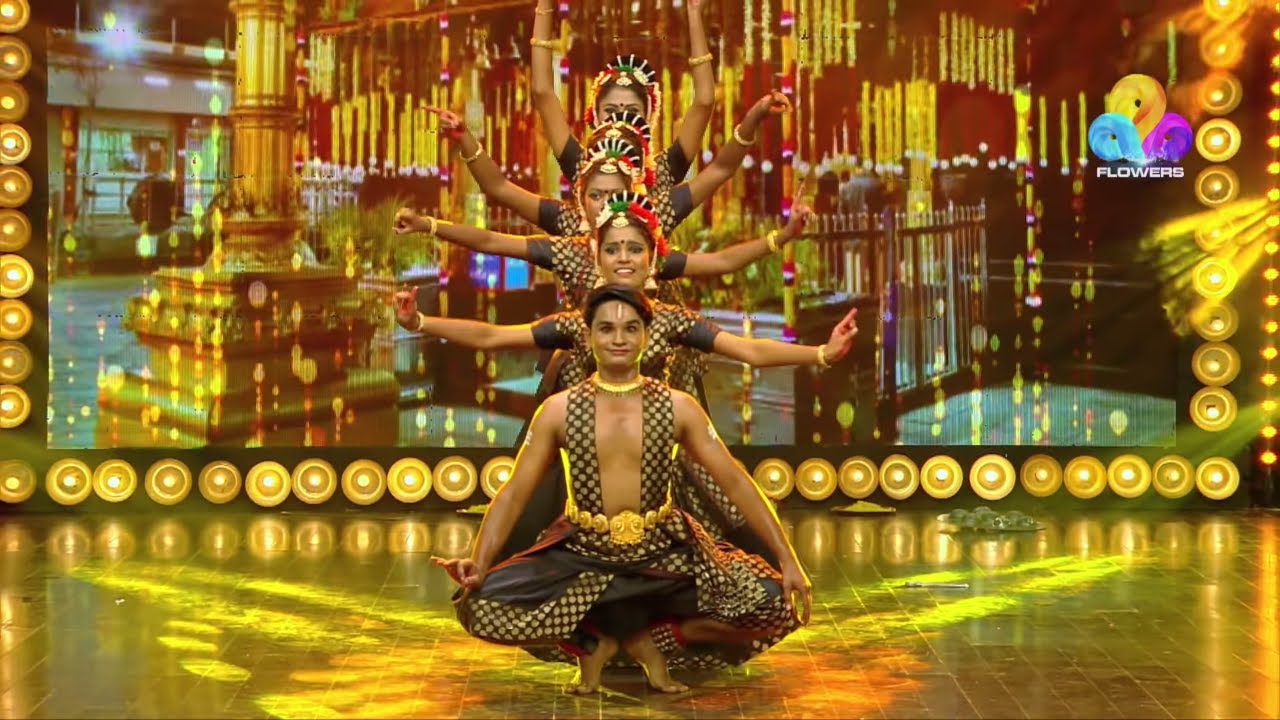
Mangalam Kali made a historic debut at the 2025 Kerala School Kalolsavam, bringing the indigenous art of North Kerala to the mainstream. Traditionally performed by the Mavilan community during weddings, this high-energy dance features synchronized circular movements, the rhythmic beats of the Thudi, and unique Tulu-Malayalam folk songs.
The following details cover its history, cultural context, and performance style.
1. Origins and Community
Region: The art form originates from the North Malabar region, specifically the Kasaragod and Kannur districts.
Communities: It is primarily practiced by the Mavilan and Malavettuva tribal communities. (Some historical accounts also link it to the Pulaya and Kurava communities).
Language: The accompanying folk songs are often sung in a unique blend of Tulu and Malayalam, reflecting the linguistic diversity of the Kasaragod region.
2. The Meaning and Occasion
Etymology: The word "Mangalam" in Malayalam translates to "marriage" or "auspicious," and "Kali" means "play" or "dance."
Traditional Context: As the name suggests, it was traditionally performed as entertainment during marriage ceremonies. The dance would typically take place on the eve of the wedding or during the post-wedding celebrations to entertain the gathering.
Themes: Despite being a wedding dance, the songs are not strictly limited to romance or marriage. They often depict themes of daily life, including farming, hunting, and old rituals, serving as an oral history of the community.
3. Performance Style
Formation: It is a group dance where performers (traditionally both men and women) move in a circle.
Tempo: The dance begins with a slow rhythm and gradually builds up to a high-speed, energetic climax.
Instruments: The rhythm is kept by a traditional percussion instrument called the Thudi (a small drum made of jackfruit wood). Two variations of the drum, Perumthudi and Panithudi, are often used to create catchy rhythmic variations.
Costume: Performers typically wear traditional tribal attire, which may include mundus, headgear made of areca leaves, or other natural materials available in the region.
4. Recent History and Revival
Decline: The art form was widely performed until the 1970s but began to decline as modern entertainment took over traditional wedding festivities.
Revival: In recent years (specifically around 2024–2025), Mangalam Kali garnered significant attention after it was included as a competition item in the Kerala School Kalolsavam (the state's massive school arts festival). This inclusion has sparked a wave of interest, with student groups learning the art form to keep the tradition alive.
#GLIVEMEDIA
Mangalam Kali dance, Mangalam Kali Kerala School Kalolsavam 2025, tribal folk dance Kerala, Mavilan tribe dance form, Malavettuva community art, North Malabar folk arts, Thudi percussion instrument, Kasaragod tribal dance, Kannur folk songs, Mangalam Kali wedding ritual, ancient Kerala tribal traditions, Mangalam Kali lyrics meaning
Kerala temple festivals 2026, Thrissur Pooram date, Theyyam performance calendar, Kerala School Kalolsavam results, Attukal Pongala, Nenmara Vallangi Vela, Arattupuzha Pooram, Kerala tourism festival guide, Chenda melam performance, Panchavadyam Kerala, Kerala boat race schedule, Utsavam season Kerala
Повторяем попытку...
Доступные форматы для скачивания:
Скачать видео
-
Информация по загрузке: