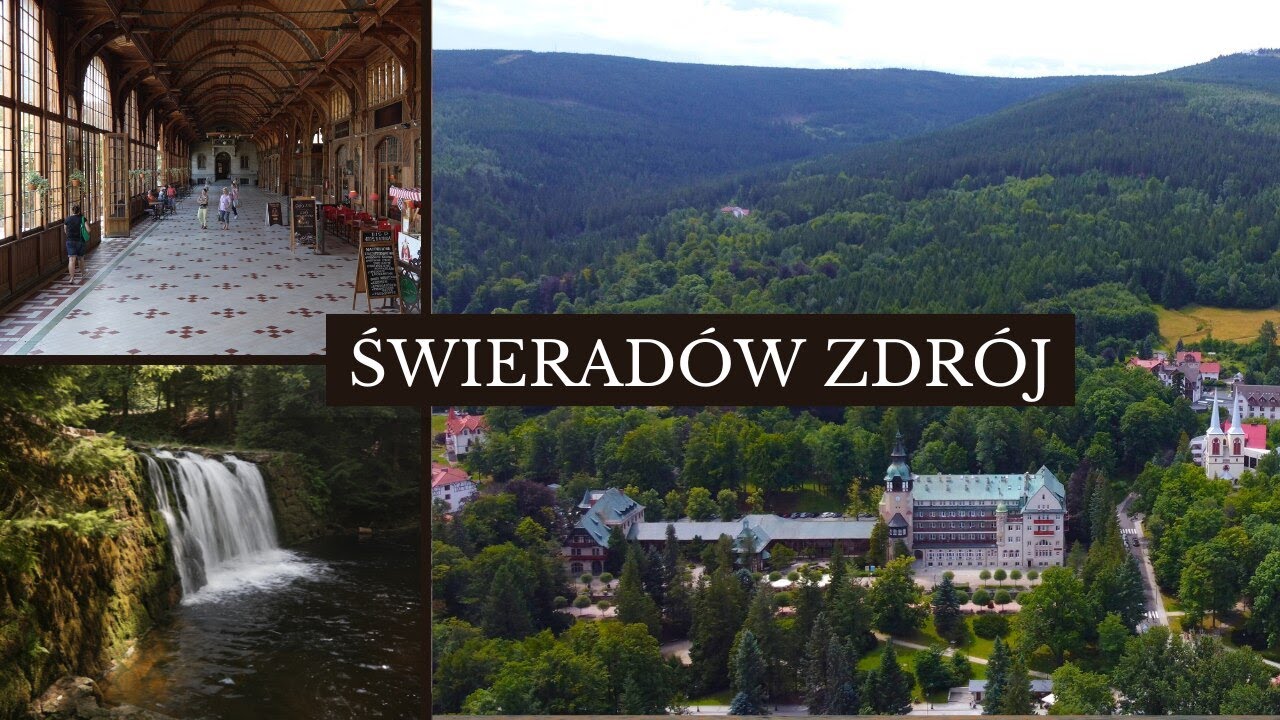
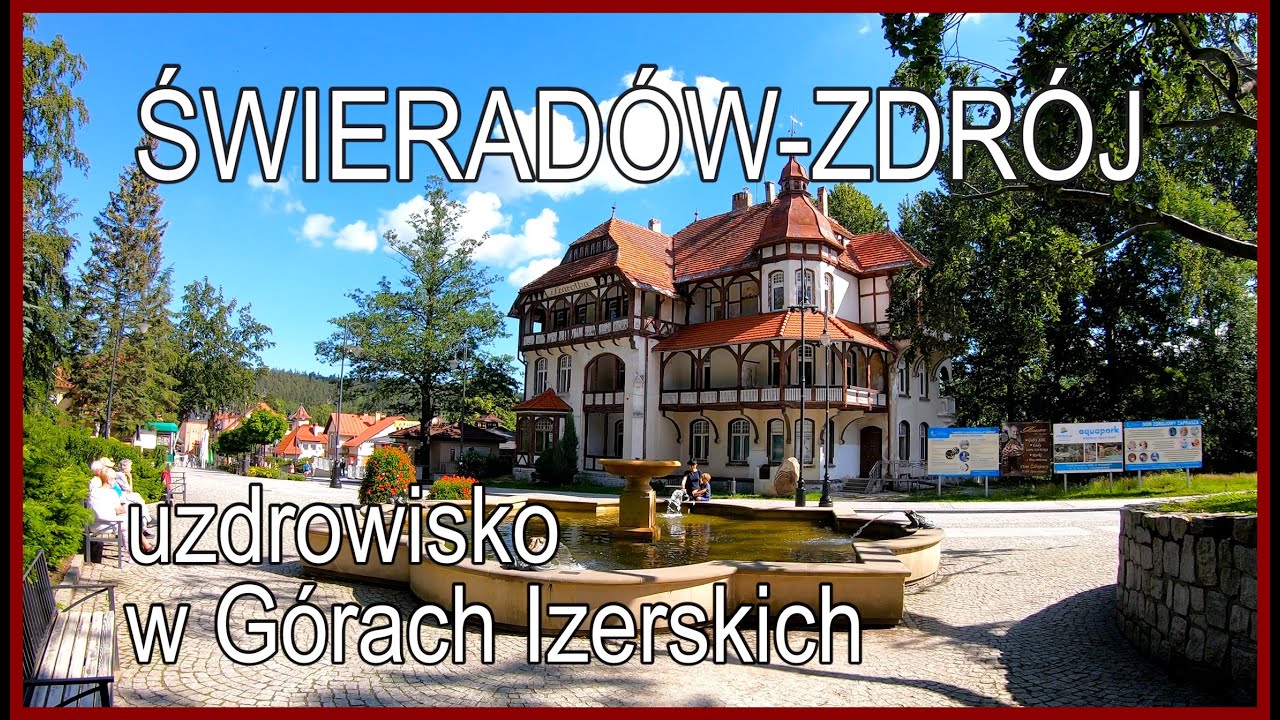
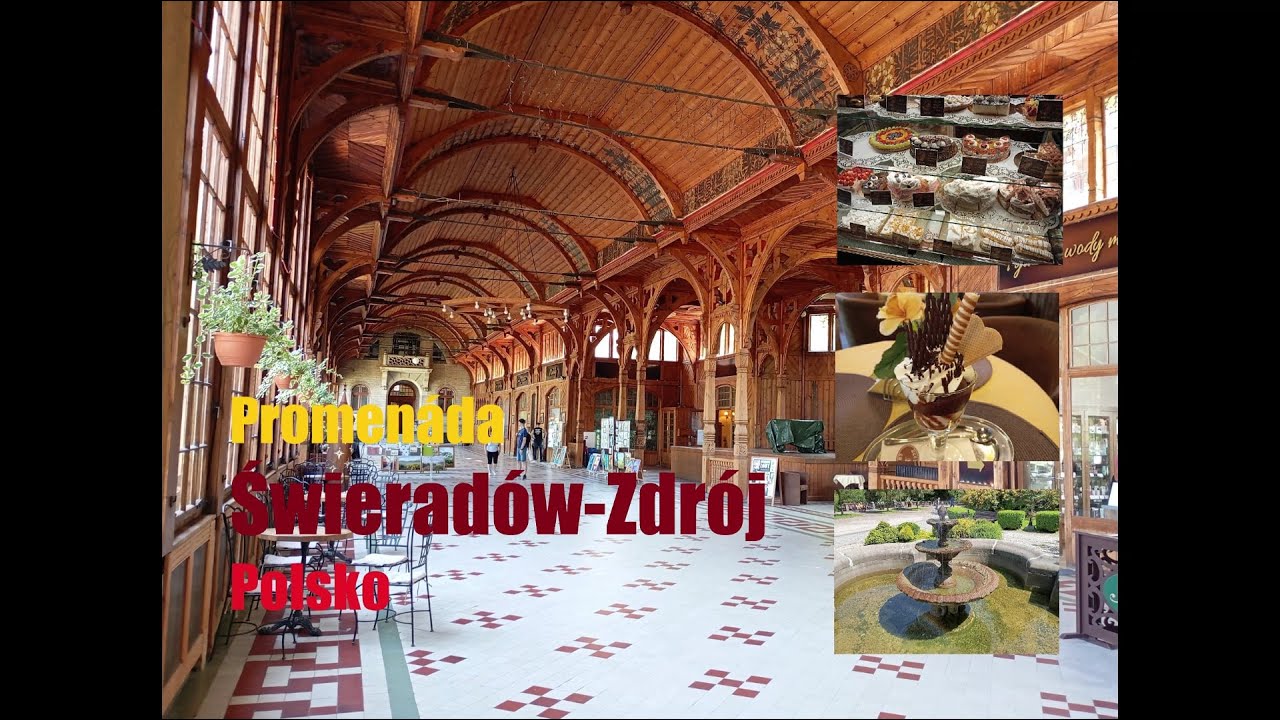
Świeradów-Zdrój, Karkonosze, Poland
Автор: Alan Heath
Загружено: 2012-11-17
Просмотров: 4349
Описание:
/ 173472422695696
First mentioned in 1524, the settlement was probably founded at the end of the 13th or the beginning of the 14th century.
Exceptional properties of Świeradów mineral springs were suspected as early as the 16th century. In 1572, the Swiss doctor Leonard Thurneysser, private physician of Elector John George of Brandenburg wrote for the first time about the discovery of the exoraordinary features of the local healing waters. They were described by the Protestant reformer Caspar Schwenckfeld about 1600, and Fryderyk Luca also wrote about them in 1683 in his Silesian chronicle. The area was heavily devastated during the Thirty Years' War, at first by Imperial troops under General Ottavio Piccolomini, then by Swedish forces in the course of the seize of nearby Gryf Castle.
A century later the land owners of the Schaffgotsch noble family established a special commission to gather scientific evidence and describe the healing effects of the Świeradów waters. The commission settled that the water "...agitates appetite, inhibits vomiting, eases anxiety states, stomach and liver illnesses". The health resort started to develop in 1768 when the owners of land built the first spa house. The peak of health resort development occurred in the 1920s. Direct railway connection to Friedeberg operating since 1909 opened Świeradów to the world and contributed to full prosperity of the spa town.
In 1945 Bad Flinsberg was occupied by the Red Army and its German population expelled. As part of the Republic of Poland, the health resort went back into business on 26 May 1946. It merged with neighbouring Czerniawa Zdrój (Bad Schwarzbach) in 1973.
Świeradów-Zdrój has an exceptionally rich acquisition of names. This eventful history begins with the German name Fegebeutel, which meant 'a place where your purse will be cleaned' (Czyścisakwa in Polish). The name was given to the tavern situated here and the nearby settlement. Then, the name was changed to Flinsberg. The origin of that word may be sought in the pantheon of pagan gods of Lusatians. One of them was Flins.
In 1945, Bad Flinsberg became Wieniec-Zdrój. It was the first name of that town in the Polish language after the war, coming from the Polish word 'wieniec' (wreath), related to hills surrounding the valley from all directions. The wreath consists of Vulture Mountain (829 m a.s.l.) in the east, Zajęcznik (595 m a.s.l.) in the north, Stóg Izerski (1107 m a.s.l.) in the south-west and Opaleniec (821 m a.s.l.) in the west. In 1946 the name Świeradów-Zdrój was chosen. The etymology of the name is ambiguous and two explanations can be found. One explanation says that the name derived from a combination of two words: świerk (spruce) and radon without which the spa would not exist, and the other one mentions Saint Andrew Świerad, who came here from Slovakia around 1,000 years ago.
Повторяем попытку...
Доступные форматы для скачивания:
Скачать видео
-
Информация по загрузке: