Templo de Kalabsha. Aswan, Nubia, Egipto
Автор: TerraeAntiqvae
Загружено: 2013-02-26
Просмотров: 12186
Описание:
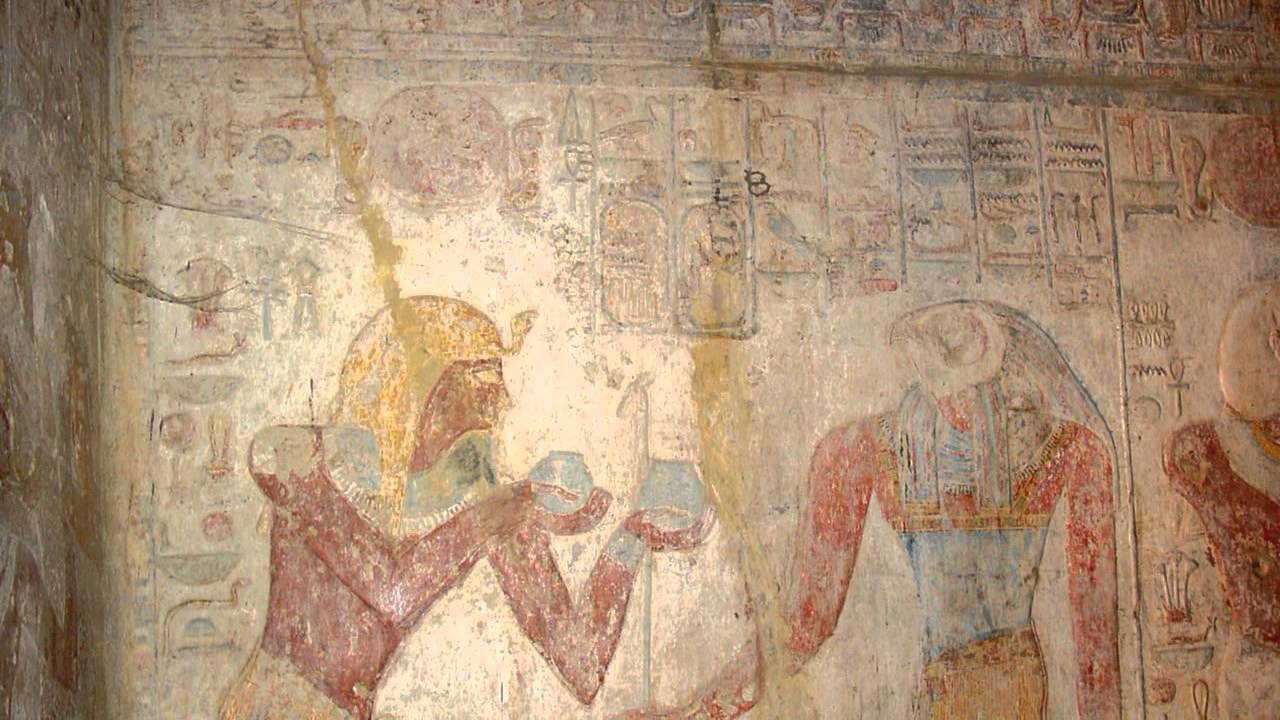
Kalabsha fue el nombre árabe de una población de Nubia, situada unos 50 km al sur de la primera catarata del río Nilo, en la margen oriental. El pueblo desapareció inundado por las aguas embasadas de la presa de Asuán. Nombre egipcio: Taser, Taset, o Termis. Nombre griego: Talmis. Nombre árabe: Kalabsha. Posee un importante templo, que era el más grande de Kush, con un perímetro de setenta por treinta metros (es el segundo si se tiene en cuenta el templo de File, en territorio egipcio). Fue construido por César Augusto en honor de Mandulis, dios de la fertilidad y tiene grabadas inscripciones del rey Silko de Nobatia narrando la victoria sobre los blemios. Mientras que la estructura se remonta a la época romana, cuenta con muchos relieves como "un grabado de Horus que sale de las cañas en el interior del muro cortina" del templo. Kalabsha tiene un "santuario de cámaras, una escalera conduce a la azotea del templo" donde se puede ver una espléndida vista del propio templo y el lago sagrado. Varios registros históricos fueron inscritos en los muros del templo de como "una larga inscripción tallada por el gobernador romano Aurelio Visarión en el año 250, que prohíbe los cerdos en el templo", así como una inscripción de "el rey nubio Silko, tallada en el siglo V y el registro de su victoria sobre los blemios y una imagen de él vestido como un soldado romano a caballo". Silko era el rey cristiano del reino nubio de Nobatia. En los años sesenta el templo fue desmontado de su emplazamiento y reconstruido en la margen izquierda del lago Nasser para evitar su desaparición. Fue el primer traslado de un templo, realizado por un equipo alemán, que finalizó su trabajo en 1970. El templo forma parte del Museo al Aire Libre de Nubia y Asuán, declarado Patrimonio de la Humanidad por la Unesco en 1979 con el nombre de Monumentos de Nubia de Abu Simbel a File.
...
The Temple of Kalabsha (also Temple of Mandulis) is an Ancient Egyptian temple that was originally located at Bab al-Kalabsha (Gate of Kalabsha), approximately 50 km south of Aswan. The temple was situated on the west bank of the Nile River, in Nubia, and was originally built around 30 BC during the early Roman era. While the temple was constructed in Augustus's reign, it was never finished. The temple was a tribute to Mandulis (Merul), a Lower Nubian sun god. It was constructed over an earlier sanctuary of Amenhotep II. The temple is 76 m long and 22 m wide in dimension. While the structure dates to the Roman period, it features many fine reliefs such as "a fine carving of Horus emerging from reeds on the inner curtain wall" of the temple. From Kalabsha's "sanctuary chambers, a staircase leads up to the roof of the temple" where one can see a splendid view of the temple itself and the sacred lake. Several historical records were inscribed on the temple walls of Kalabsha such as "a long inscription carved by the Roman Governor Aurelius Besarion in AD 250, forbidding pigs in the temple" as well as an inscription of "the Nubian king Silko, carved during the 5th century and recording his victory over the Blemmyes and a picture of him dressed as a Roman soldier on horseback." Silko was the Christian king of the Nubian kingdom of Nobatia. When Christianity was introduced to Egypt, the temple was used as a church.
With help from Germany, the temple of Kalabsha was relocated after the Aswan High Dam was built, to protect it from rising waters on Lake Nasser. The temple was moved to a site, located just south of the Aswan High Dam. The process of moving the temple took more than two years. The temple of Kalabsha was the largest free-standing temple of Egyptian Nubia (after Abu Simbel) to be moved and erected at a new site. Although the building was never completed, it "is regarded as one of the best examples of Egyptian architecture in Nubia."
Повторяем попытку...
Доступные форматы для скачивания:
Скачать видео
-
Информация по загрузке: