History of early television in Germany. Film 12914
Автор: HuntleyFilmArchives
Загружено: 2013-10-13
Просмотров: 11828
Описание:
Germany. The early history of television in Germany
1884: Nipkow Disc: "mechanical image dissector".
1897: Braun Tube.
1906: Cathode ray amplifier.
The first television for home use made of a vacuum Braun Tube.
1934: The first transmitter of image and sound. A family watching television.
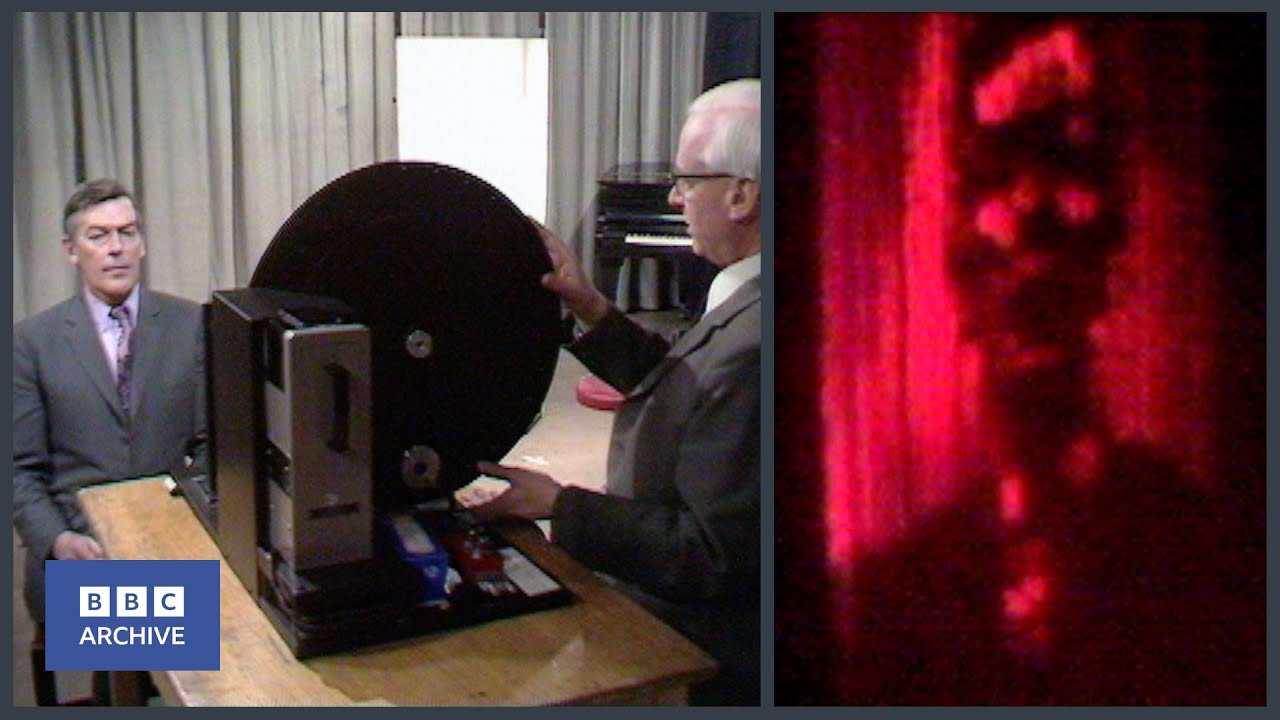
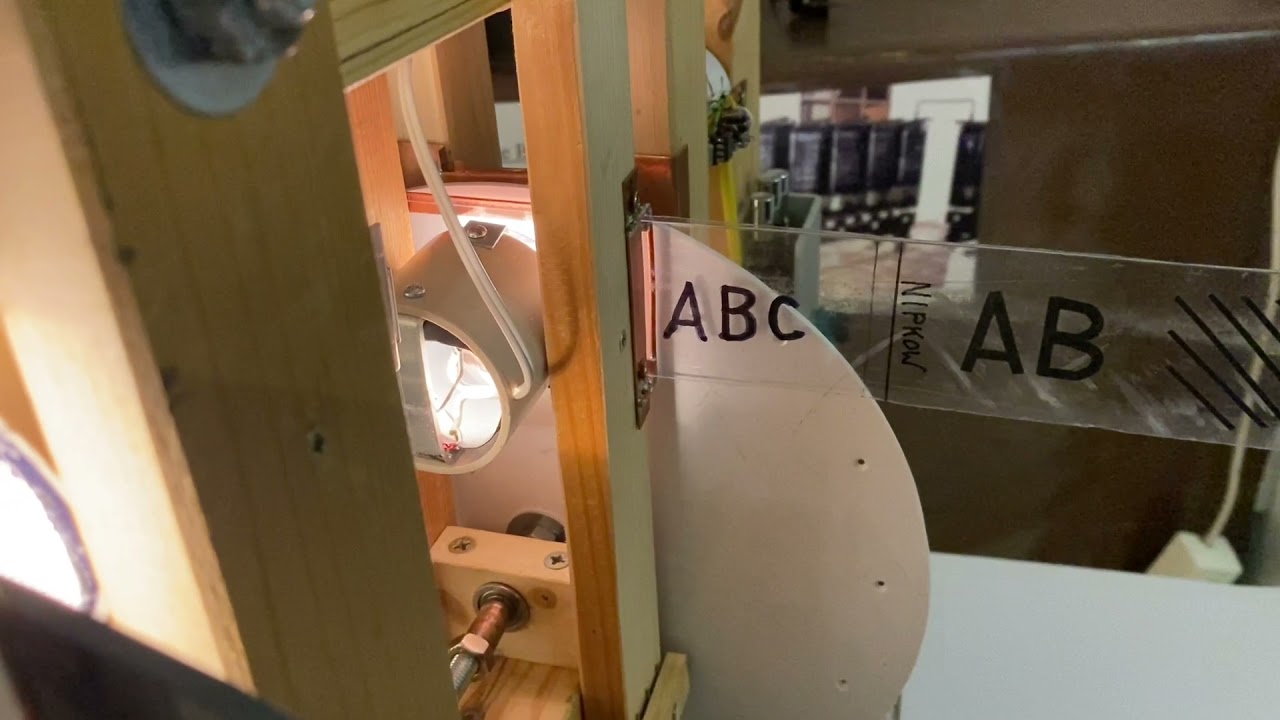
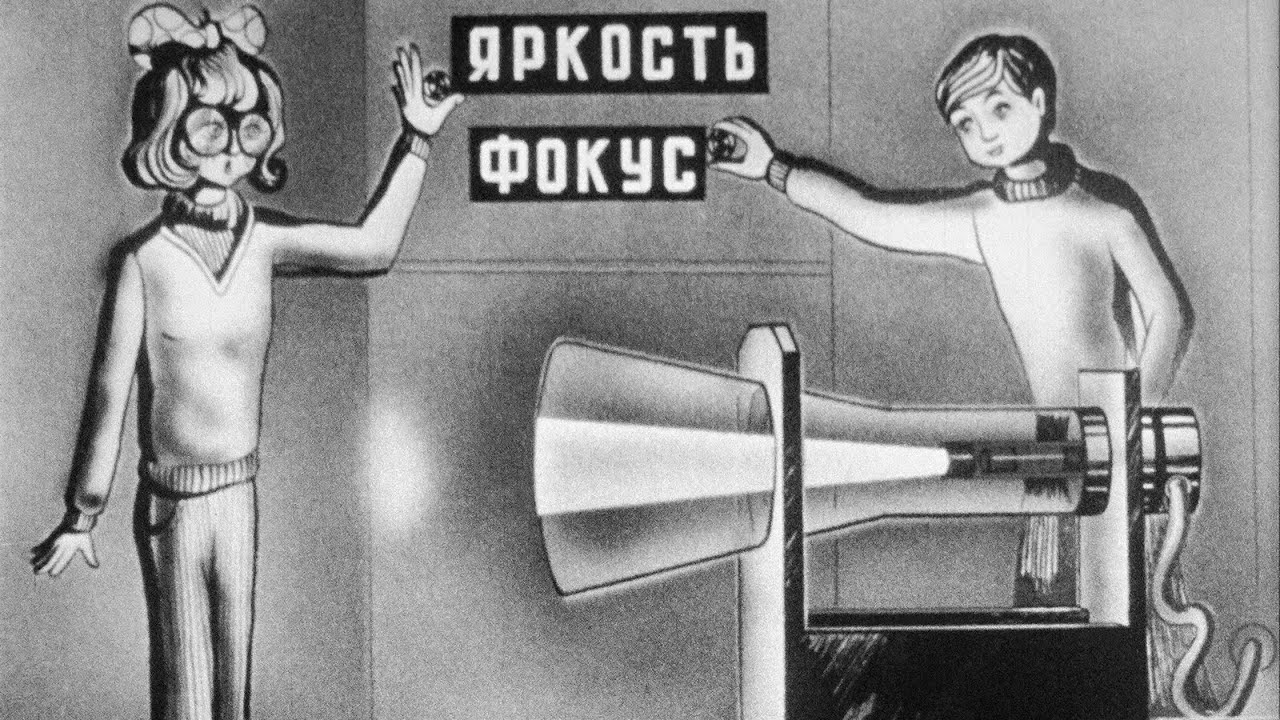
A boy reading a slate. His eyes move from the left to the right. "He scans the letters." - Animation of the process. Animation of a torch "writing" with light the same way. The brightness of the light ray changes - an image is created. A picture post card. "Here the dots are so small that you can't see them." A magnifying glass - now the dots are visible. - A television picture comes into existence. The dot that "writes" the picture becomes faster and faster until it's impossible to see it anymore. - Animation of how it worked in the beginning: the Nipkow disc (= a spinning disc with holes in it that let the light ray pass). - Animation of how to transmit the changes of brightness electrically. - A photocell. Animation: transmission of the impulses - reception of the impulses - how they are transformed into an image. - Animation: Synchronization of transmitter and receiver (similar to double wipers). - Animation of how to transmit moving pictures: the light ray runs through a film, then through the Nipkow disc. A Paul Nipkow projector. - The sound. - Animation of how to transmit the images of people: A woman in a specially prepared room ("Abtastkammer" - "scanning chamber") is scanned by a light ray. - A diagram of the spectrum of electro-magnetic waves. "For TV only the ultra short waves can be used. But their range is limited." Diagram of their range with Berlin in the centre. - A television transmitter / transmitting station. Generators. A man throwing power switches. - Machines for the transformation from alternating current to direct current. Tubes, machines. The cooling system. Amplifiers. - Animation of the transmission of sound and picture waves. Reception of sound and image. - Animation: The cathode ray writing the image on the screen. Animation of the change of brightness. Animation of change of position of the ray (with little animated men who move the ray...). - A high speed car race. "The cars go at 360 km/h. The cathode ray moves at 3600 km each second!" - A reversed Braun tube is used as an "eye" to record images (Iconoscope). Animation of how it works: The image is projected on a small screen; a cathode ray is scanning it and creates electrical waves. - An early TV camera. - The first live transmission: Olympia 1936 (opening ceremony?). A family watching TV: the arrival of the torch (Olympia). - At the same time: A TV screen as big as a cinema screen (a small one) for a public performance. An audience watching a hurdle race, then the final ceremonies. - The 13. Rundfunkausstellung (Radio broadcast exhibition), Berlin
Повторяем попытку...

Доступные форматы для скачивания:
Скачать видео
-
Информация по загрузке: