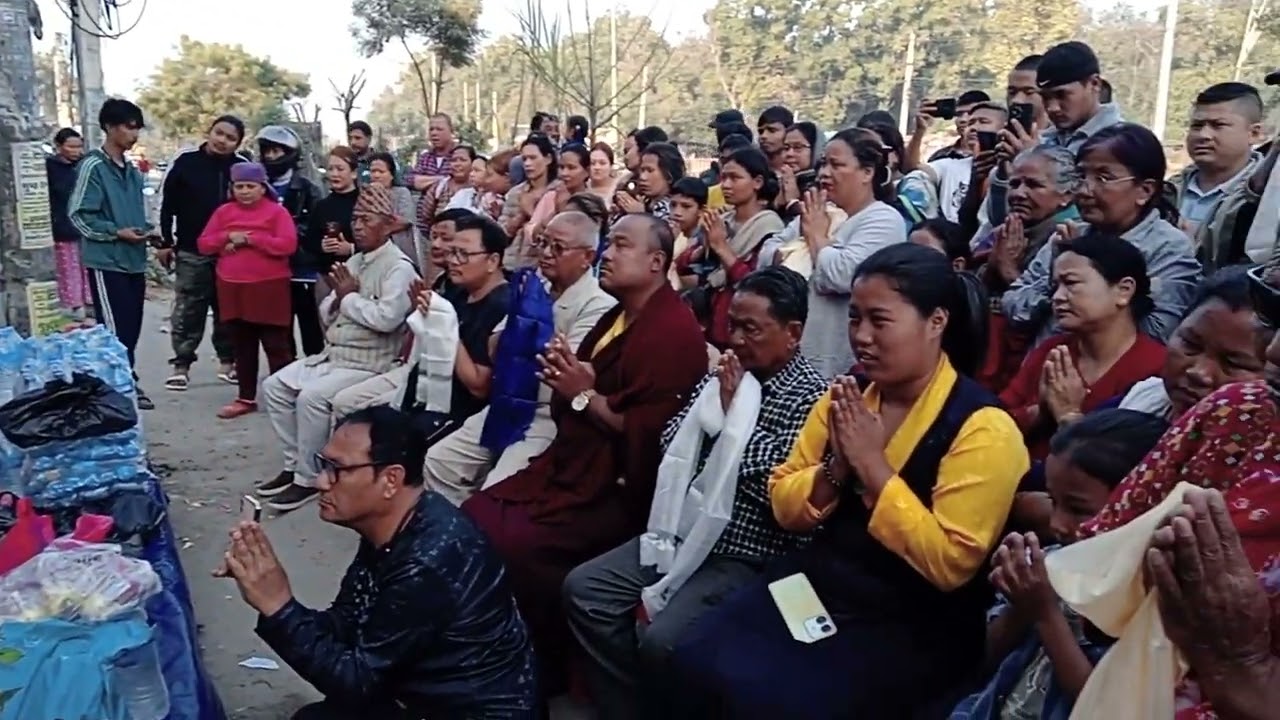
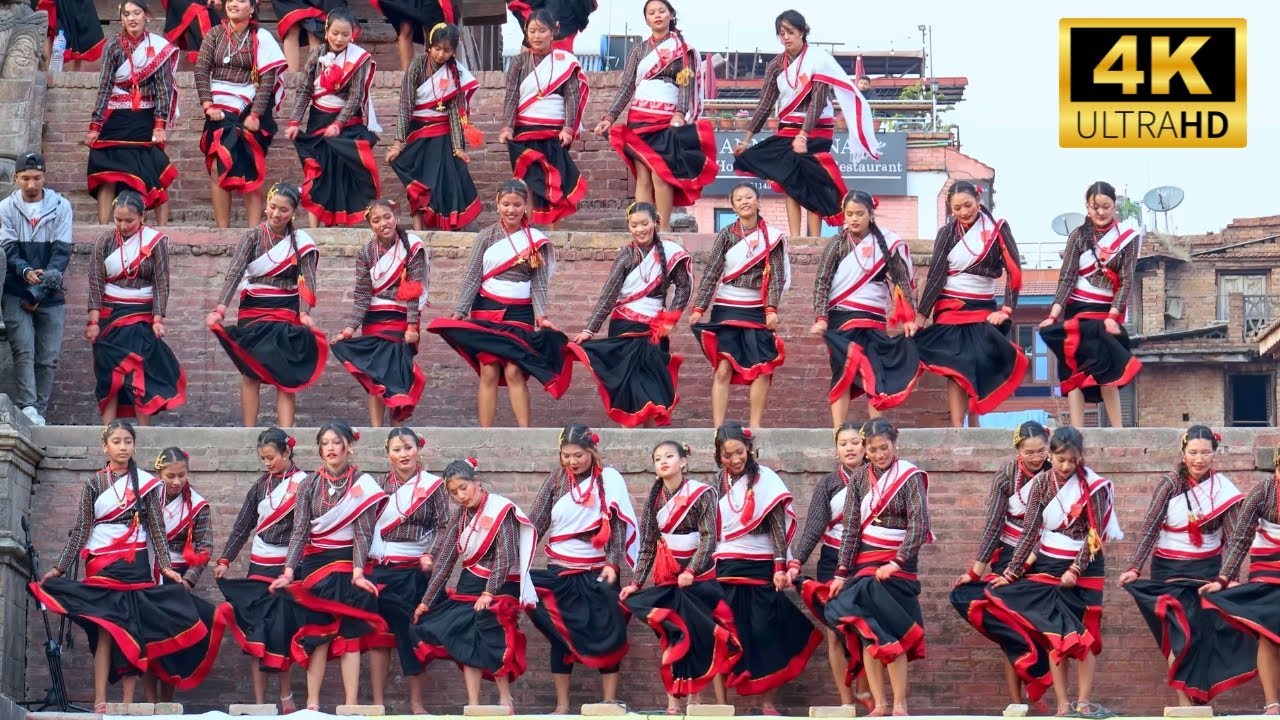
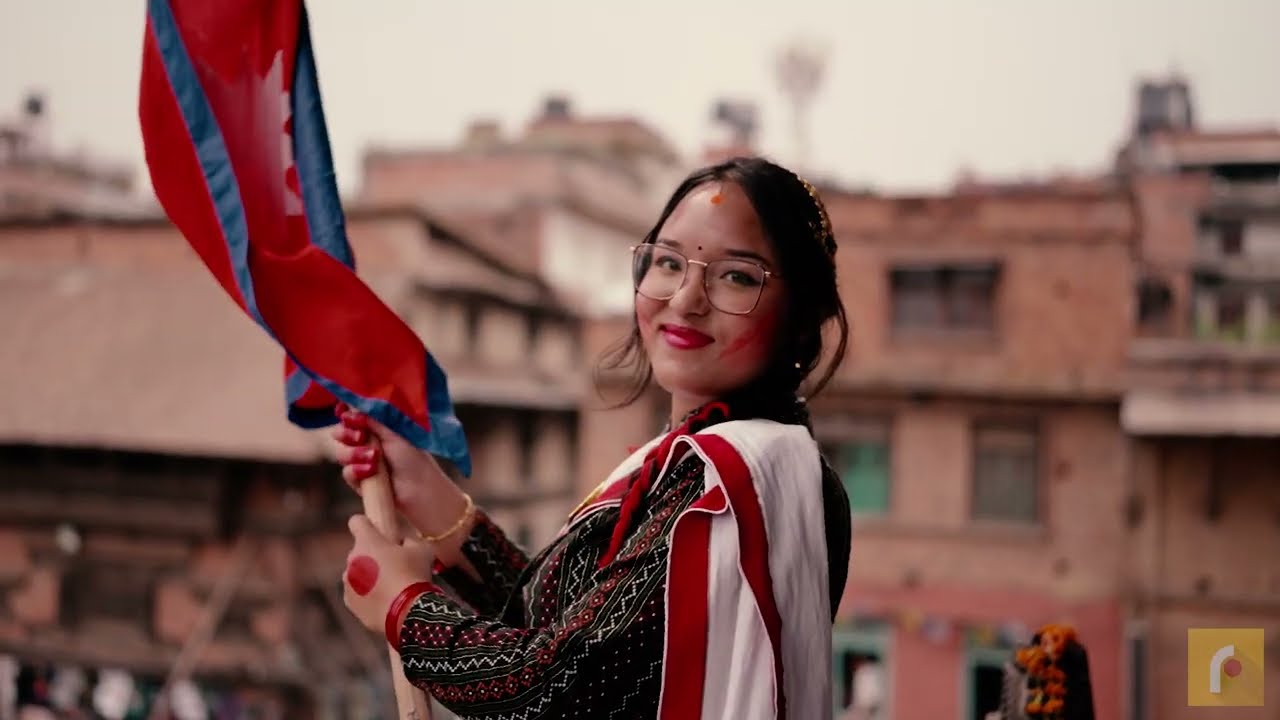
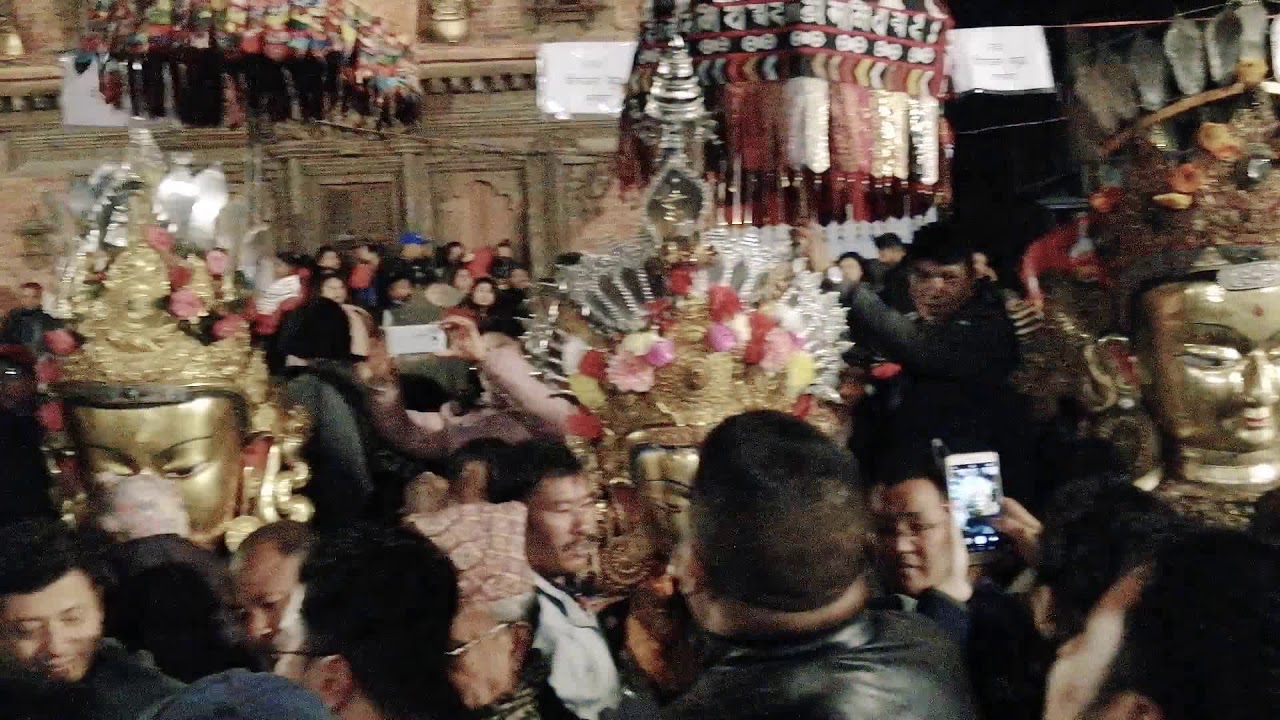
Itilhaney Samyak Mahadan Parba 1140 (2076) | Lalitpur, Nepal | Historic Event | Srijana Shrestha
Автор: Zumba, Dance, Fitness, Cardio Games with Srijana
Загружено: 2020-02-27
Просмотров: 144
Описание:
Follow Me on Instagram: srijana_stha_shimmy
Follow Me on Tik Tok: srijanashretha32
Add Me on Facebook: Srijana Shrestha
Please Like The Video, Comment And Share The Video And Do Subscribe My Channel.
Thank You.
"I Do Not Own The Rights To This Song. It Has Been Used For Instructional And Inspirational Purposes Only. No Copyright Infringement Intended."
Information About Newar People And Their Cultures
Newar or Nepami, are the historical inhabitants of the Kathmandu Valley and its surrounding areas in Nepal and the creators of its historic heritage and civilisation. Newars form a linguistic and cultural community of primarily Indo-Aryan and Tibeto-Burman ethnicities following Hinduism and Buddhism with Nepal Bhasa as their common language. Newars have developed a division of labour and a sophisticated urban civilisation not seen elsewhere in the Himalayan foothills. Newars have continued their age-old traditions and practices and pride themselves as the true custodians of the religion, culture and civilisation of Nepal.
The Kathmandu Valley and surrounding territories constituted the former Newar kingdom of the Nepal Mandala. Unlike other common-origin ethnic or caste groups of Nepal, the Newars are regarded as an example of a nation community with a relict identity, derived from an ethnically-diverse, previously-existing polity. Newar community within it consists of various strands of ethnic, racial, caste and religious heterogeneity, as they are the descendants of the diverse group of people that have lived in Nepal Mandala since prehistoric times. Indo-Aryan tribes like the Licchavis and Mallas from respective Indian Mahajanapada (i.e. Licchavis of Vajji and Malla (I)) that arrived at different periods eventually merged with the local population by adopting their language and customs. These tribes however retained their Vedic culture and brought with them their Sanskritic languages, social structure and Hindu religion, which was assimilated with local cultures and gave rise to the current Newar civilization. Newar rule in Nepal Mandala ended with its conquest by the Gorkha Kingdom in 1768.
Newars are known for their contributions to culture, art and literature, trade, agriculture and cuisine. Today, they consistently rank as the most economically, politically and socially advanced community of Nepal, according to the annual Human Development Index published by UNDP. Nepal's 2011 census ranks them as the nation's sixth-largest ethnicity/community, with 1,321,933 Newars throughout the country.
Origin of the name
The terms "Nepāl", "Newār", "Newāl" and "Nepār" are phonetically different forms of the same word, and instances of the various forms appear in texts in different times in history. Nepal is the learned (Sanskrit) form and Newar is the colloquial (Prakrit) form. A Sanskrit inscription dated to 512 in Tistung, a valley to the west of Kathmandu, contains the phrase "greetings to the Nepals" indicating that the term "Nepal" was used to refer to both the country and the people.
The term "Newar" or "Newa:" referring to "inhabitant of Nepal" appeared for the first time in an inscription dated 1654 in Kathmandu. Italian Jesuit priest Ippolito Desideri (1684–1733) who traveled to Nepal in 1721 has written that the natives of Nepal are called Newars. It has been suggested that "Nepal" may be a sanskritization of "Newar", or "Newar" may be a later form of "Nepal". According to another explanation, the words "Newar" and "Newari" are colloquial forms arising from the mutation of P to W, and L to R.
As a result of the phonological process of dropping the last consonant and lengthening the vowel, "Newā" for Newār or Newāl, and "Nepā" for Nepāl are used in ordinary speech.
Повторяем попытку...
Доступные форматы для скачивания:
Скачать видео
-
Информация по загрузке: