Immigration Policy and Business: Understanding the Link
Автор: National Press Foundation
Загружено: 2025-09-23
Просмотров: 75
Описание:
How Immigration Trends Affect American Economic Stability
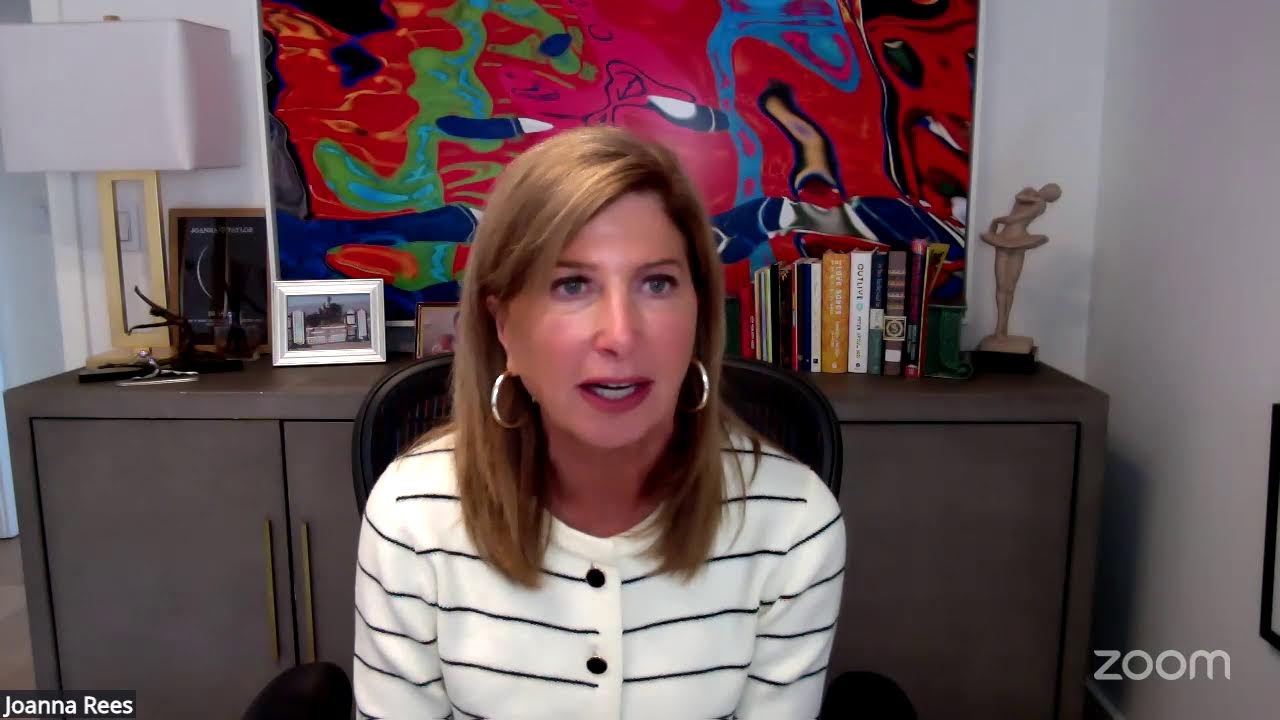
Julia Gelatt of the Migration Policy Institute answers immigration FAQs about U.S. employment, economy and businesses.
by Rachel Jones, National Press Foundation
As the Trump administration’s immigration policies and objectives continue to evolve, journalists need a strong contextual grasp of the impact on local businesses and the overall economy.
That was the take-home message from Julia Gelatt, associate director of the U.S. Immigration Policy Program at the Migration Policy Institute.
Immigrants accounted for 15.8% of the U.S. population in January 2025, the highest percentage ever recorded. But Gelatt said those numbers are shrinking due to reduced arrivals and increased deportations.
Here are some frequently asked questions journalists should keep in mind when communicating the impact of immigration policies in their communities:
Will fewer immigrants help or hurt the U.S. economy?
Data shows that immigrants work at higher rates than native-born people and accounted for all of the net growth in the prime working-age labor force over the past two decades, Gelatt said.
“If it weren’t for immigrants and their kids, our primary working-age population would have shrunk,” Gelatt said. “To put that in another way, immigrants contributed to U.S. population growth, contributed to all of the growth in the labor force over the past 20 or so years.”
However, mass arrests and deportations have an impact.
“If fewer people are coming to the United States because you sent the message that they shouldn’t come and they can’t come, if you’re taking away work authorization from people who were granted work authorization, you’re slowing down the legal immigration system.”
How has immigration enforcement changed?
With the Trump administration’s “singular focus” on mass deportations, Gelatt said there was a dramatic increase in 287(g) agreements, which deputized local law enforcement to perform immigration enforcement functions. Florida mandated all its agencies to sign on to this policy.
Analysts like Gelatt are keeping a close eye on these policies.
“I’m going to be curious to see when we finally get the data to explain what’s happening this year, whether most arrests are actually happening through local prisons and jails, or whether a lot of arrests are happening out in the community,” she said. “Some people have been allowed with discretion to stay in the U.S., but they have regular check-ins with ICE. A lot of those people are getting arrested. That would be like a community arrest. People who have some kind of criminal court hearing, they’re getting arrested in those courthouses. People are getting arrested at work sites out in the community.”
Gelatt noted that non-immigration federal agencies, such as the IRS, FBI and U.S. Park Police, have also become involved in immigration enforcement operations.
What about employer-sponsored immigration?
The legal system for employment-based immigration was built in 1952 and hasn’t been updated since 1990.
“it’s hard to bring more immigrants legally to the United States because we have this really old system. We also have a system that has really specific categories. We have various immigration slots that people can try to slot themselves into, but lots of workers don’t fit,” she said. “We only have 140,000 employment based green cards available each year, even though our economy is absorbing hundreds of thousands of immigrants each year. And our immigration system is plagued with backlogs.”
Gelatt specifically mentioned H-1B visas, which Trump recently targeted with $100,000 fees.
“Many of their employers want to keep them, and many of those workers want to stay, but they’re facing backlogs – that are actually, at this point, I think it’s maybe 200 years long,” she said. “People won’t survive to get to the front of the line.”
Regardless of political affiliation, Gelatt and other analysts mostly agree on one point.
“If we want to grow our economy, if we want to keep prices low, if we want to keep growing our labor force, that’s going to take immigrants given that we’re having fewer kids collectively.”
Speaker:
Julia Gelatt, Associate Director, U.S. Immigration Policy Program, Migration Policy Institute
Summary, transcript and resources: https://nationalpress.org/topic/immig...
This fellowship is sponsored by the U.S. Chamber of Commerce as part of a journalism training and award program.
This video was produced within the Evelyn Y. Davis studios. NPF is solely responsible for the content.
Повторяем попытку...

Доступные форматы для скачивания:
Скачать видео
-
Информация по загрузке:





![Почему взрываются батарейки и аккумуляторы? [Veritasium]](https://imager.clipsaver.ru/a3-3R9zwyGY/max.jpg)