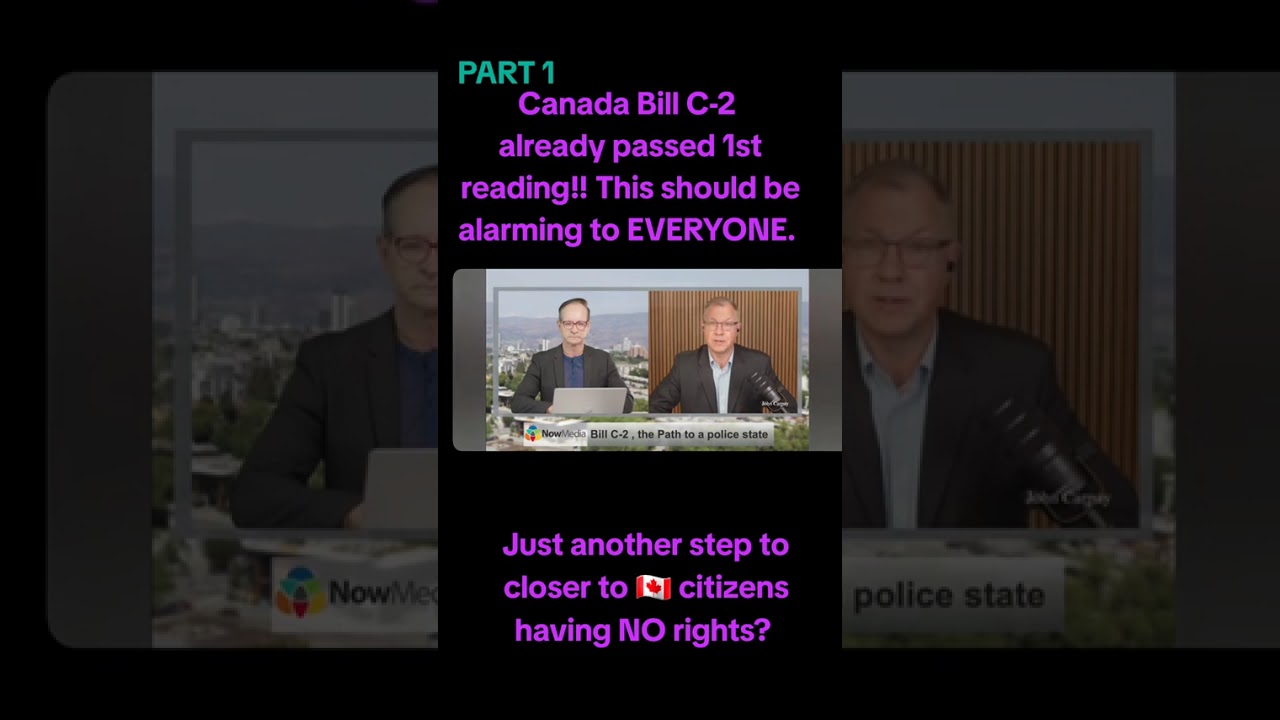
Bill C-2: The Erosion of Due Process and Centralization of Power
Автор: InCaseYouMissedThis
Загружено: 2025-11-16
Просмотров: 3
Описание:
The primary criticisms of Bill C-2 lie in specific provisions related to the recovery of overpayments, particularly for the Canada Worker Lockdown Benefit (CWLB) and other programs. The bill empowers the CRA to act as investigator, judge, and enforcer, sidelining the judiciary.
1. Bypassing the Judiciary and Administrative Overreach
The most significant due process concern is the mechanism for imposing penalties for situations where the government believes a person was ineligible.
Pre-emptive Penalties without a Hearing: Traditionally, if the government believes a benefit was claimed in error, it would issue a notice of debt for the overpayment. The individual has the right to dispute this through the courts. Bill C-2 goes far beyond this. It allows the CRA to impose a penalty equal to 50% of the benefit amount in addition to repaying the full benefit, if the Minister has "reasonable grounds to believe" the individual was ineligible.
"Reasonable Grounds to Believe" vs. Proof: This standard is lower than the criminal standard of "beyond a reasonable doubt" or even the civil standard of "balance of probabilities." It is a subjective standard determined unilaterally by the CRA. An individual can be hit with a crippling financial penalty based on the government's suspicion, without any independent body (like a court or tribunal) first evaluating the evidence.
Reversal of Onus: The structure effectively reverses the onus of proof. Instead of the government proving in court that an individual was ineligible and acted knowingly, the individual is immediately penalized and must be the one to appeal and prove their innocence to the Tax Court of Canada after the penalty has been applied. This is a fundamental departure from the principle of presumed innocence.
2. Centralization of Power in the Executive Branch
This design centralizes power in two key ways:
Concentration within the CRA: The CRA is granted extraordinary discretionary power. It becomes the entity that defines "reasonable grounds," investigates, makes the determination of ineligibility, and levies the severe penalty. This consolidates what are traditionally separate functions (investigation and adjudication) within a single government agency.
Power of the Cabinet (Governor in Council): Bill C-2 granted the Governor in Council (essentially the federal Cabinet) broad regulatory powers. This means that key details of the programs, including the specific conditions for eligibility and the application of these harsh penalties, could be defined and modified by the Cabinet through regulation, rather than being explicitly debated and detailed in the legislation passed by Parliament. This allows the executive branch to refine and enforce powerful rules with minimal parliamentary oversight.
3. The "Collection Until Proven Innocent" Problem
The process for challenging these penalties is itself a barrier to justice. While an individual can appeal to the Tax Court, the legislation does not automatically stay (pause) the collection efforts. This means the CRA can begin aggressive collection actions—garnishing wages, freezing bank accounts—while the appeal is ongoing. For many individuals, this creates unbearable financial pressure and effectively forces them to pay a penalty they are disputing simply to avoid financial ruin, negating the value of the appeal process.
Conclusion
While the stated intent of Bill C-2—to target fraud and protect public funds—is legitimate, its chosen methods are constitutionally dubious. By granting a government agency the power to impose severe financial penalties based on a low threshold of proof and without a prior hearing, the legislation sidesteps the judiciary's role as an independent arbiter. This creates a system of administrative justice where the state acts as both prosecutor and judge, centralizing significant coercive power within the executive branch and undermining foundational principles of due process and fairness in a democratic society.
Повторяем попытку...
Доступные форматы для скачивания:
Скачать видео
-
Информация по загрузке:


