Shanghai Port: The Gateway to China’s Global Trade
Автор: News Desk
Загружено: 2025-06-30
Просмотров: 354
Описание:
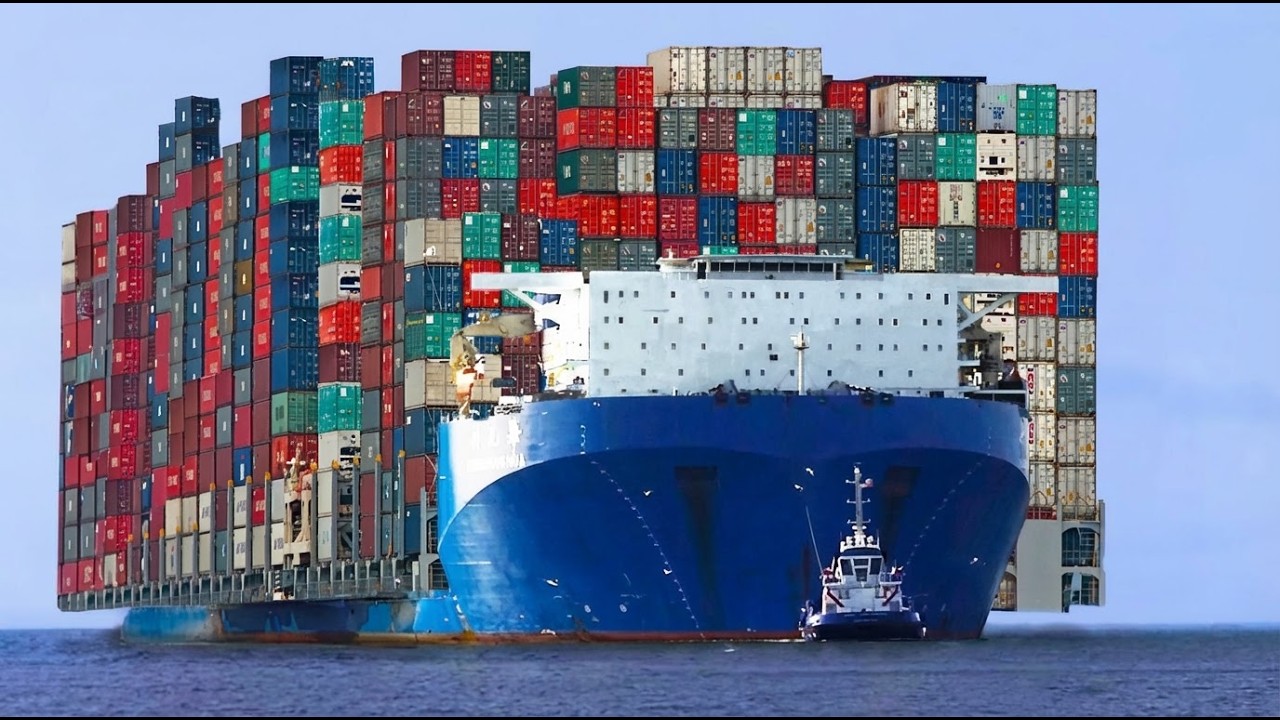
The Port of Shanghai, is not only the busiest container port in the world but also a symbol of China’s economic might and maritime prowess. Strategically located at the mouth of the Yangtze River, where it meets the East China Sea, this vast, complex port has been at the heart of China’s rise as a global manufacturing and trading powerhouse.
Shanghai became a significant port in the 19th century, following its opening to foreign trade as a result of the Treaty of Nanjing in 1842. The city's deep natural harbor, its closeness to major inland waterways, and its central location along the Chinese coast established it as a crucial entry point for goods entering and leaving the country.
Nevertheless, it was not until the late 20th and early 21st centuries that the port experienced remarkable growth. With China's swift industrialization and its integration into the global economy—particularly after its accession to the World Trade Organization in 2001—Shanghai Port saw substantial expansion in terms of infrastructure, capacity, and technology.
In 2010, the Port of Shanghai surpassed Singapore Port to become the busiest container port in the world, a title it has maintained ever since. By 2023, it processed more than 47 million TEUs (twenty-foot equivalent units), an impressive number that underscores its vital importance in global logistics and supply chains.
The port acts as the main export hub for products manufactured in the Yangtze River Delta, one of China's most developed industrial areas. A wide range of items, including electronics, machinery, clothing, and automotive components, transit through Shanghai on their way to international markets.
The Port of Shanghai consists of three major areas:
Wusong Port: The historical port area, now primarily serving domestic shipping.
Waigaoqiao Port: A major container terminal with advanced facilities and customs processing zones.
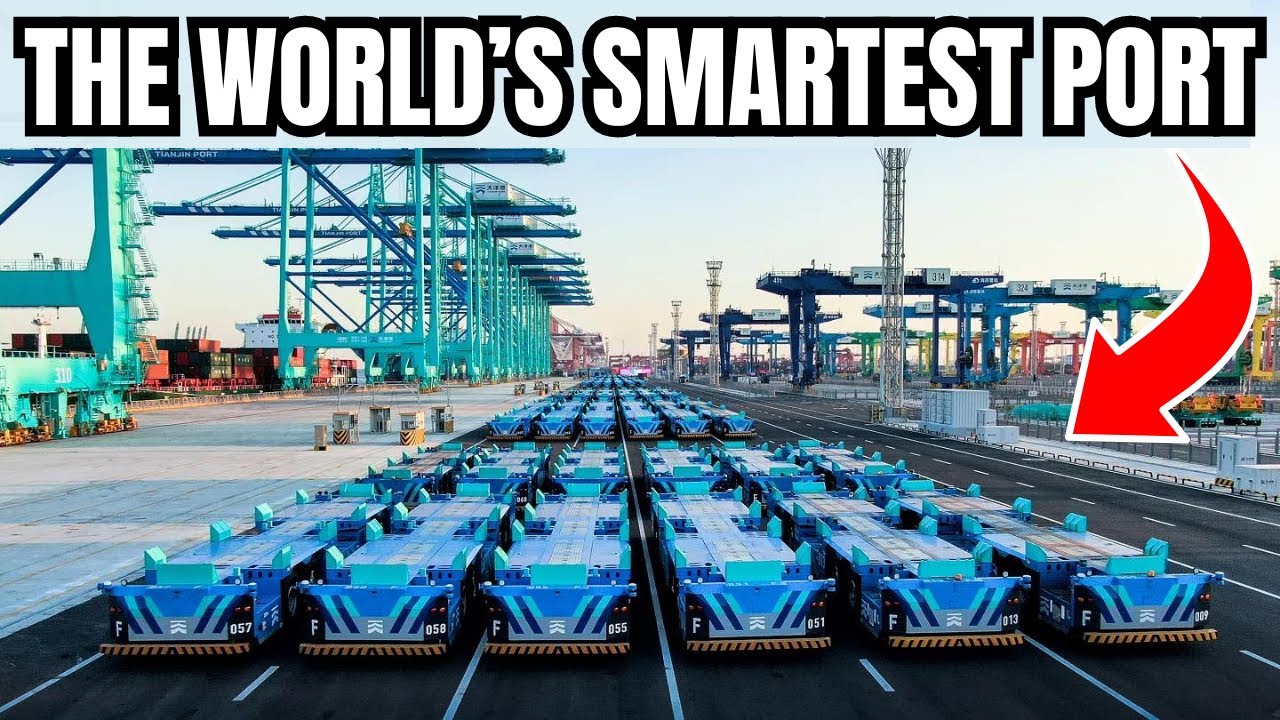
Yangshan Deep-Water Port: Built on islands in the East China Sea and connected to the mainland via the Donghai Bridge, this is the largest automated deep-water container terminal in the world. It allows massive cargo ships to dock regardless of tidal or river depth constraints.
The port benefits from advanced technologies such as AI-powered logistics, automated cranes, intelligent tracking systems, and round-the-clock operations, all of which enhance its unparalleled efficiency.
Shanghai Port is a critical engine of China’s economy:
Trade Hub: It connects China to over 500 ports in more than 200 countries.
Employment: It supports millions of jobs, directly and indirectly.
Innovation: It leads in automation, digital transformation, and green shipping practices.
Strategic Asset: It is also part of China's Belt and Road Initiative, enhancing global maritime connectivity.
Facing environmental concerns, Shanghai Port is investing heavily in green port initiatives, such as:
Shore power systems for docked vessels
Electric and LNG-powered cargo handling equipment
Smart traffic and energy management to reduce carbon emissions
Rigourous efforts are underway to expand inland waterway connections and rail freight corridors, making logistics more sustainable and efficient.
The Port of Shanghai transcends its role as a logistics center; it serves as a fundamental pillar of global trade and reflects the economic development of China. Its combination of historical significance, vast scale, and innovative infrastructure exemplifies the potential of contemporary ports in a connected world.
When examined from the perspectives of commerce, technology, or geopolitics, Shanghai Port is more than merely an entry point to China—it represents a portal to the future.
Images and photographs belong to their respective owners.
Courtesy: Wikimedia
• An Overview of Maritime Vessels
• Shanghai Port: The Gateway to China’s Glob...
• The Panama Canal: Gateway Between Oceans
• The Suez Canal: Lifeline of Global Trade
• Port of Antwerp: Europe’s Gateway to Globa...
• Hyundai: Steering the Future of Shipbuilding
• The Port of Hamburg: Germany’s Gateway to ...
• The Port of Rotterdam: Europe's Maritime P...
Повторяем попытку...

Доступные форматы для скачивания:
Скачать видео
-
Информация по загрузке: