Silicone 3D Printing|FAM vs FDM – Technology Differences and Silicone Printing Principles
Автор: SanDraw
Загружено: 2025-12-03
Просмотров: 149
Описание:
➡ “Why can’t liquid silicone be 3D printed with FDM like other materials?”
This isn’t an equipment issue. Silicone’s properties are incompatible with FDM’s process, making direct printing impossible.
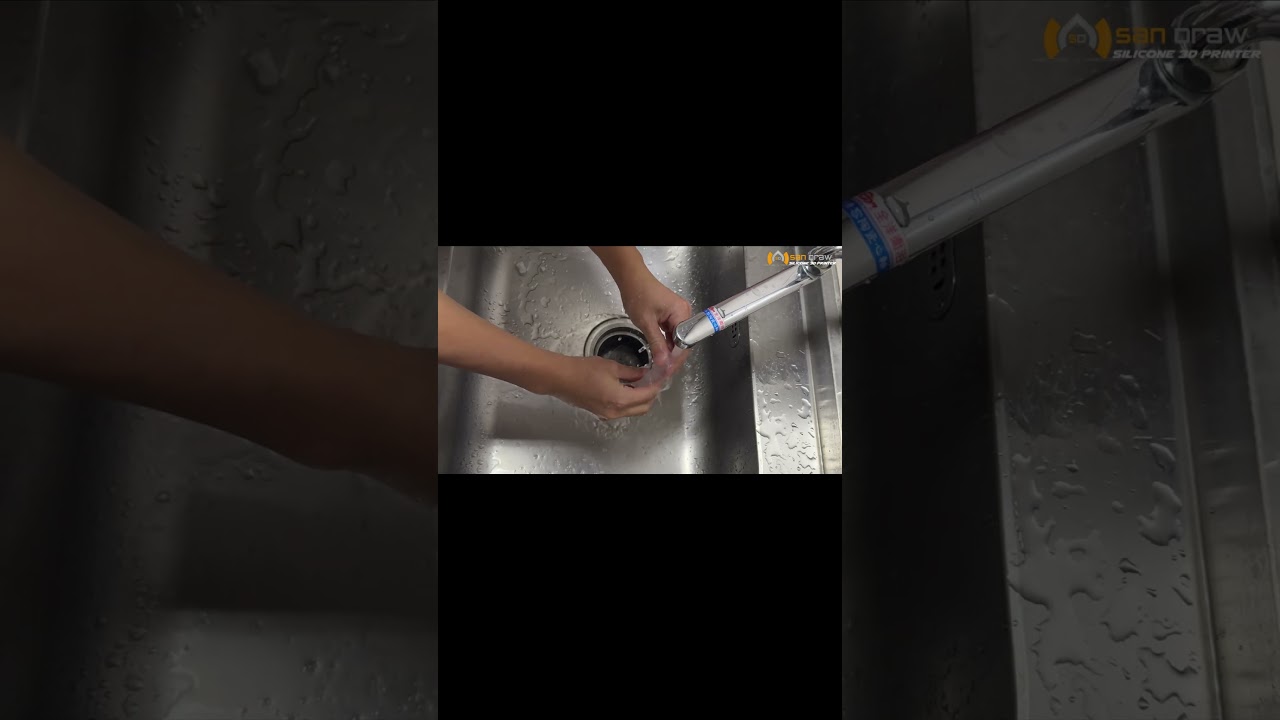
To overcome this, San Draw developed FAM (Fluid Additive Manufacturing), a patented 3D printing process for RTV and LSR silicone. FAM extrudes liquid silicone layer by layer at room temperature using a motor-driven screw, enabling soft, high-precision, and durable silicone parts.
✅ FAM and FDM differ in materials and extrusion methods:
• FDM uses gears to feed thermoplastic filaments into a heated nozzle, where the material melts, is deposited, and then cools to form the part.
• FAM extrudes liquid silicone layer by layer at room temperature with a motor-driven screw.
FAM is ideal for mechanical prototypes, robotic components, and bioengineering experiments, offering precise, flexible, and functional silicone parts.
📩 Learn more or start your silicone 3D printing project: [email protected]
#Silicone #3DPrinting #3DPrinter #AdditiveManufacturing #RapidPrototyping #EngineeringMaterials #MechanicalEngineering #Robotics #Automation #LabPrototyping #Bioengineering #RTV #LSR #FAM #FDM #SanDraw
Повторяем попытку...
Доступные форматы для скачивания:
Скачать видео
-
Информация по загрузке: