Rake vs. Leaf Blower vs Grass Catcher For Collecting Bush or Hedge Trimmings
Автор: KAGE Innovation
Загружено: 2023-07-31
Просмотров: 1583
Описание:
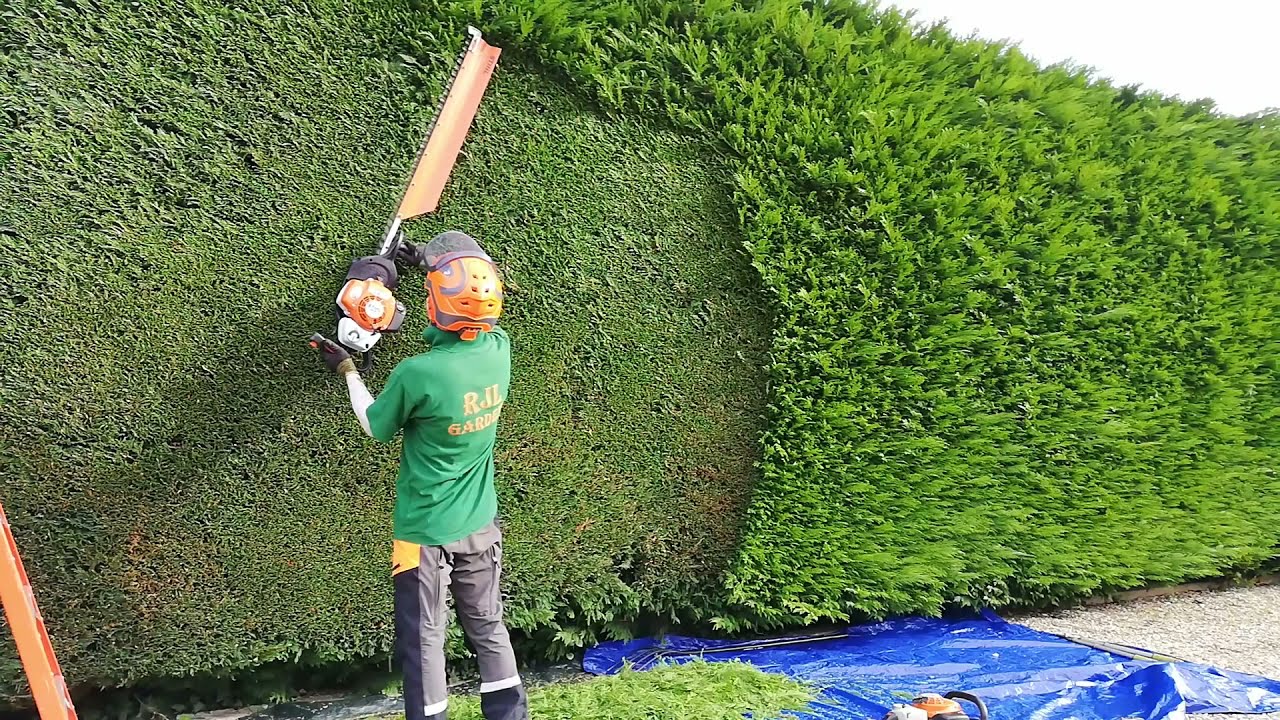
Using a tarp is one of the most common and economical methods for gathering and removing bush, shrub or hedge trimmings from a yard. However, there is much debate over the best method to get those clippings onto the tarp.
In this video we’ll compare roughly three different methods of collecting the trimmings for the tarp – plus a bonus option at the end.
1. Rake
2. Leaf Blower
3. Grass Catcher
And two methods of transporting the clipping-filled tarp.
1. Truck
2. Trailer
We’ll start with the rake.
Pros:
1. It is the quietest method. Which the neighborhood might appreciate.
2. It’s also the cheapest. ($10-$400) However,
Cons
1. As you might guess, this method requires the most manual labor.
2. Clippings get under the edge of the tarp, which may need to be moved multiple times.
3. At the mercy of wind.
4. And it tends to leave some clippings behind that may require mulching in some neighborhoods.
5. Tarp will need to be dragged across the lawn to get to truck or trailer at the end.
Next, let’s try a leaf blower.
Pros.
1. Less manual labor than the rake
Cons
1. Really affects the edges of the tarp. So still need a rake or something/someone to hold down edges.
2. Clippings get under edge of tarp
3. At mercy of wind.
4. Still leaves some behind which will need to be raked and/or mulched.
5. More expense than a rake alone. ($15-$2,000) (This leaf blower runs around $600) plus ($10-$400 for the rake)
6. Tarp may need to be dragged across the lawn.
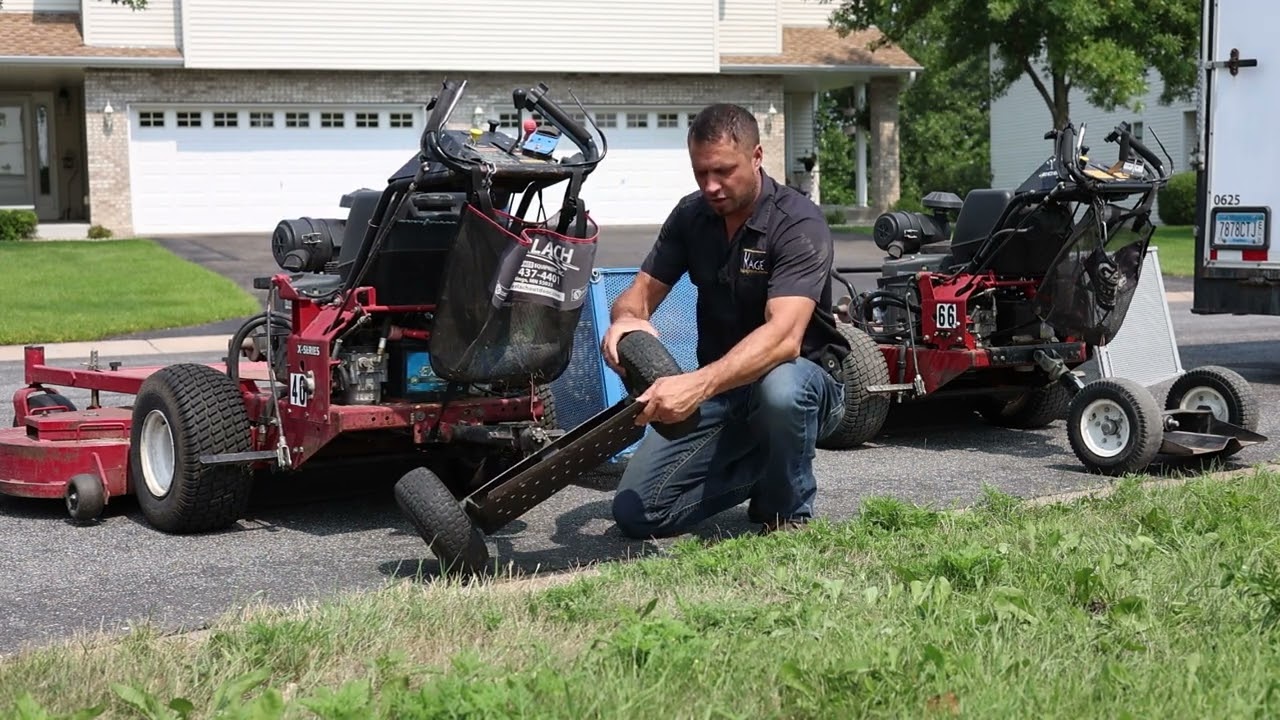
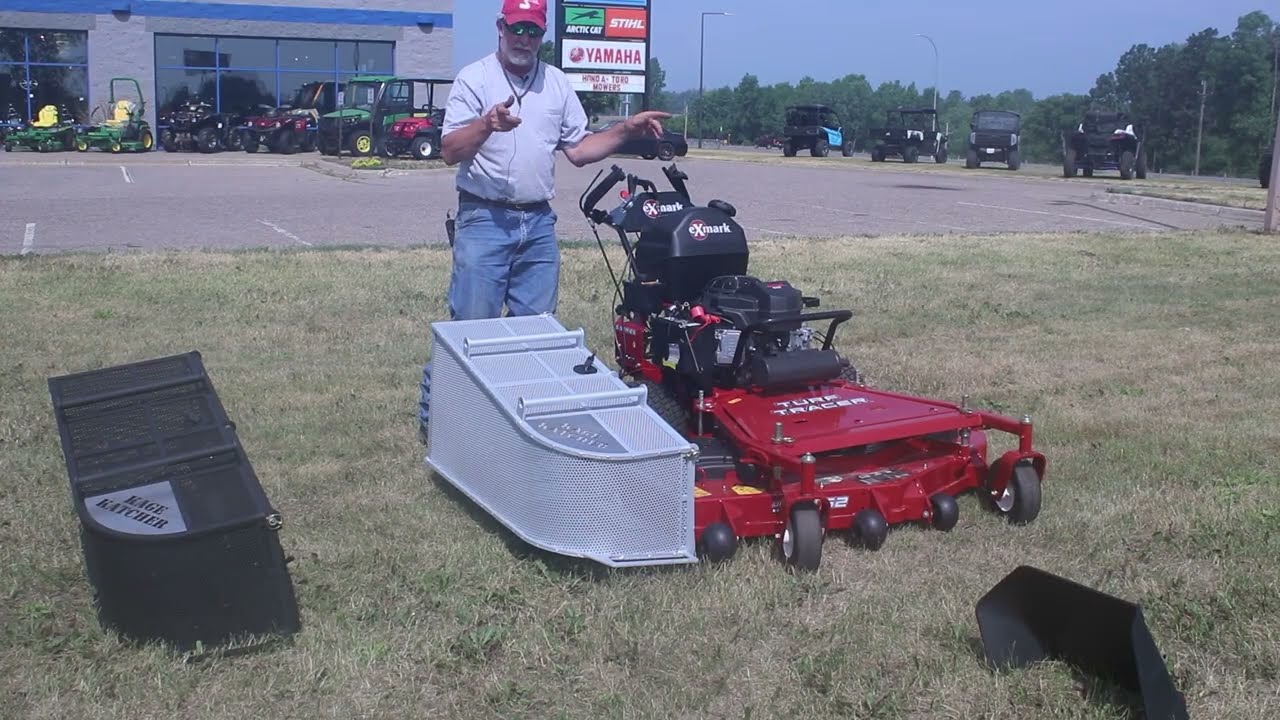
Finally, we’ll take a look at the self-dumping Kage Katcher aluminum grass catcher.
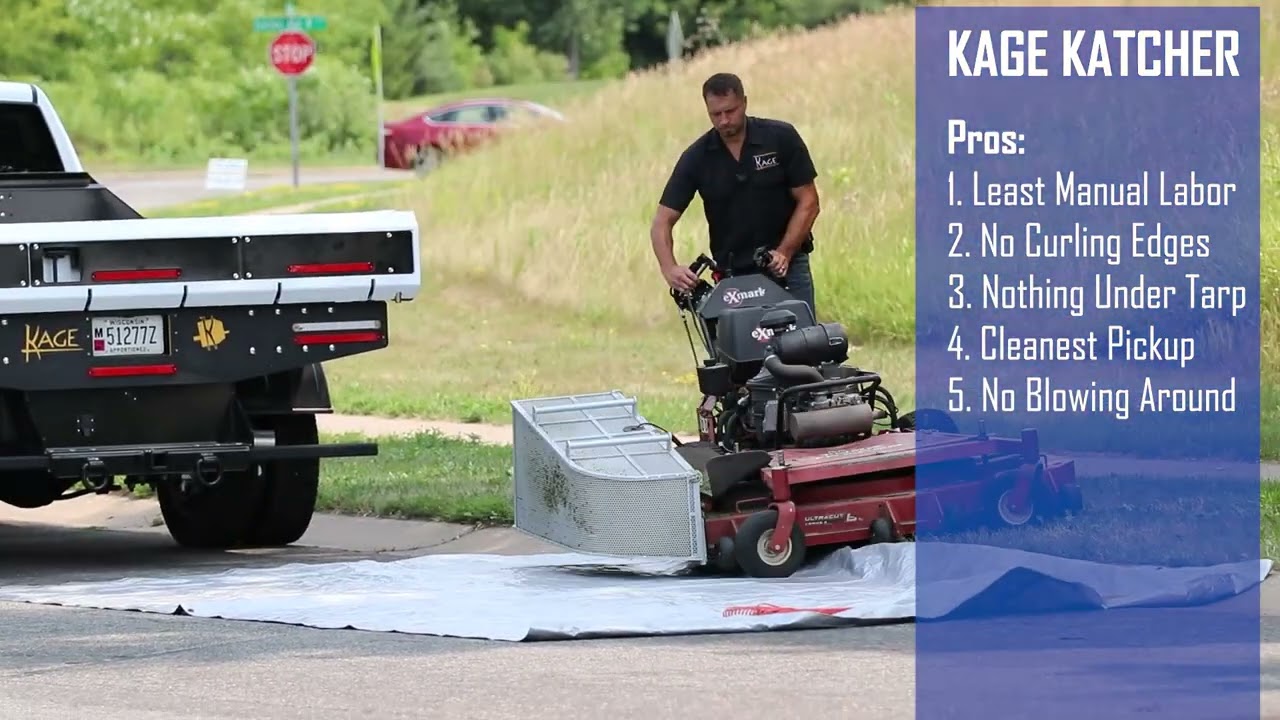
Pros
1. No manual labor
2. No Curling Tarp
3. No Clippings under the edge
4. Cleanest pickup – No coming back for finishing touches
5. Not affected by wind
6. Tarp can be placed by truck or trailer
Cons
1. Highest Minimum Price Tag -- $850-$1200
2. Potential for clogging
With that being said, I good tip to avoid clogging the chute of mower with debris is to keep most of the clipping under the side of the deck farthest away from the chute. This allows it to get cut up into smaller pieces before reaching the discharge chute.
Another tip for maximizing the capacity of the 5.8 cubic foot capacity KAGE Katcher is to avoid going too slowly. A little bumping around actually helps the fluffs clippings for better airflow into the basket.
Transporting
Once you have all of your clippings on the tarp, it’s relatively easy to drag the tarp into the back of a trailer. Depending on the weight of the clippings, you can wrap them up in the tarp and heave tarp into the back of a truck – heavier loads may require more than one person for this method.
If you have access to a commercial leaf and lawn vacuum, you may not even need a tarp when using a KAGE Katcher.
Learn more about the KAGE Katcher at https://kageinnovation.com/kagekatcher/
Повторяем попытку...
Доступные форматы для скачивания:
Скачать видео
-
Информация по загрузке: