AI Isn’t New: What Photography Teaches Us About Artificial Intelligence
Автор: Michael Schrenk
Загружено: 2026-02-04
Просмотров: 62
Описание:
Artificial Intelligence Isn’t New — We’ve Been Here Before
Artificial intelligence may feel brand new, but in reality, we’ve been down this road before.
Every truly disruptive technology follows a familiar pattern, and AI is no exception. By looking at how past disruptions unfolded, we can gain insight into what this current AI “train ride” is likely to look like. There are many examples to choose from—the printing press, the internet—but one of the most revealing is photography.
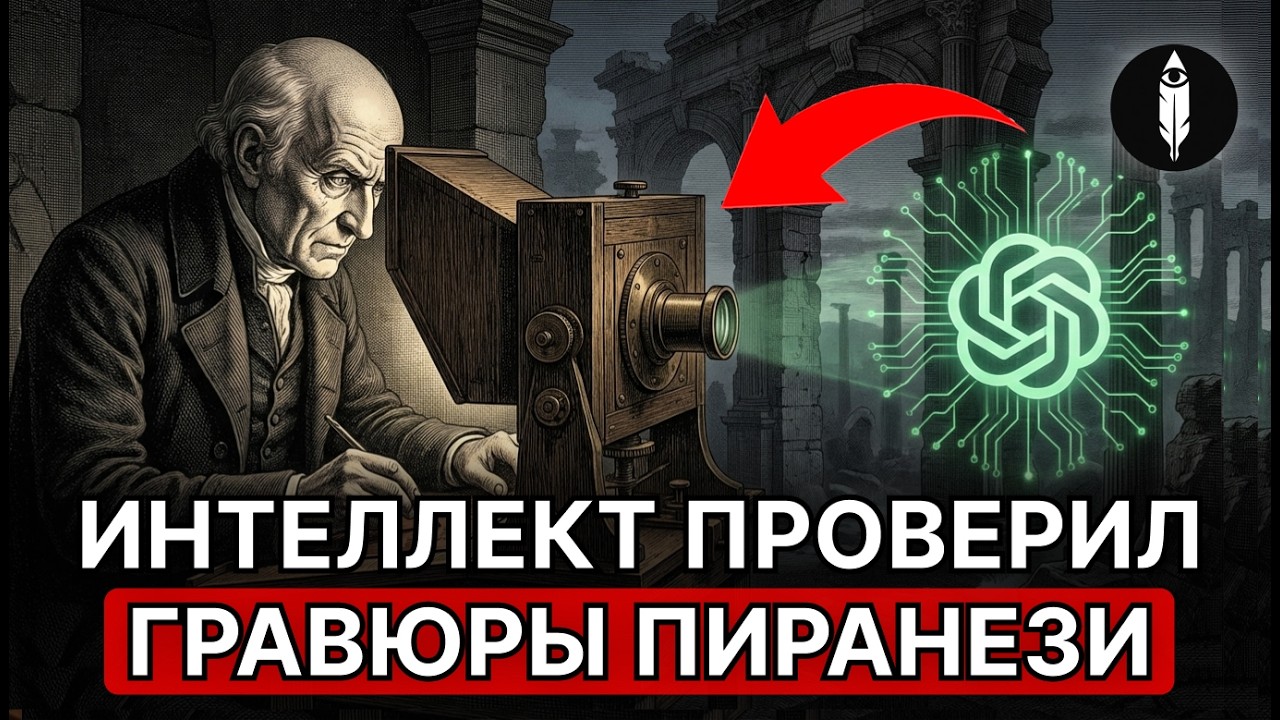
Before the mid-19th century, if your family owned a portrait, it was almost certainly a painting. Portraits were expensive, time-consuming, and required highly trained artists. Painters were rare, respected, and well compensated. In many ways, their position resembled that of elite craftsmen.
Then the camera arrived.
Suddenly, someone with no artistic training could produce an image that rivaled a professional painter’s work. The impact was devastating. The value of photorealistic representation collapsed almost overnight. This is the first hallmark of a disruptive technology: it dramatically reduces the value of what it produces.
So how did artists survive?
Some became photographers. Others did something more interesting, they shifted their focus to what the camera couldn’t replicate. Artists began emphasizing process over representation: brush strokes, texture, abstraction, emotion, and interpretation. From this shift emerged Impressionism, Cubism, Surrealism, Dadaism, and nearly every form of art we associate with the modern art world today.
Nearly all the artists we readily name today rose to prominence after the invention of the camera. Photography was the first time a mechanical device could produce something resembling art, and it permanently changed how we define what an artist is. Artists stopped being seen primarily as craftsmen and instead became interpreters of the world around us.
The second major pattern of disruptive technology is this: gatekeepers lose control.
Before photography, only wealthy patrons could afford to commission images, which meant they largely decided what was recorded for history. Photography changed that. It gave rise to photojournalism, exposing realities that power and wealth would never have paid to preserve: images of war, child labor, and Emmett Till’s open casket, among others. These were truths that demanded to be seen.
So what does this mean for artificial intelligence?
If AI follows the same historical patterns as past disruptive technologies, we should expect creation rather than destruction—and a continued erosion of centralized control. We’re already seeing both. New forms of expression are emerging, and traditional gatekeepers are losing their exclusive hold on who gets to create, publish, and be heard.
#ArtificialIntelligence #AI #AIDisruption #HistoryOfAI #TechHistory #FutureOfAI
Повторяем попытку...

Доступные форматы для скачивания:
Скачать видео
-
Информация по загрузке: