Protective Aspects of Class I Hazardous Waste Disposal Wells
Автор: Petrotek Corporation
Загружено: 2023-12-06
Просмотров: 817
Описание:
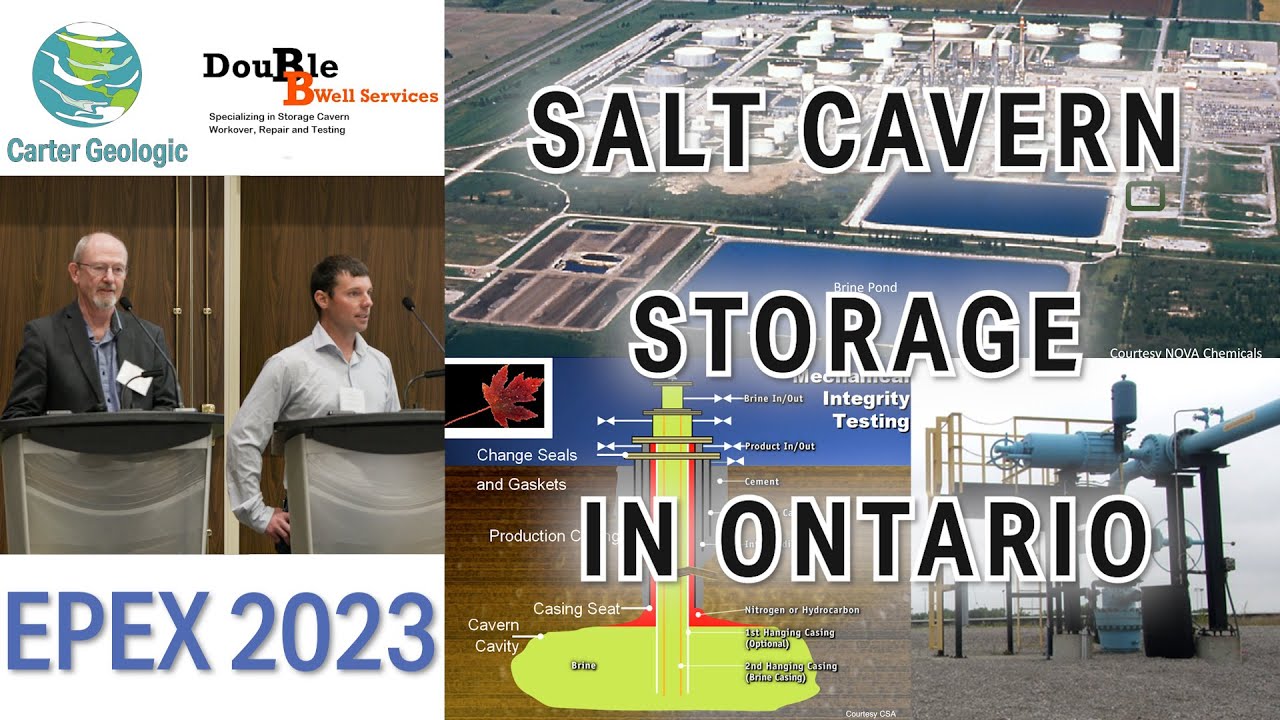
Disposal, or injection wells, are used throughout the world. In the United States, disposal wells associated with oil and gas production are regulated as Class II wells while industrial injectors are regulated as Class I wells. In the oil and gas industry, disposal wells can be found in most areas where hydrocarbons are produced. Class I wells are used in areas where there is an industrial need and where both restrictive geologic and hydrologic standards can be met. A primary consideration in well location is the natural ability of underground formations to contain and isolate both natural and injected fluids. The geology in many areas of the United States where a thick section of sedimentary rock is present often meet these strict requirements. There are more than 400,000 disposal wells currently operating throughout the United States. Approximately 1,000 of these injectors are Class I wells.
Monitoring conducted to verify the suitability of the well for continued injection of waste is essentially of two types: continuous and periodic. Continuous monitoring provides data regarding how the well is operated, and is used to document operational changes that could signal any change in the well condition. Periodic monitoring is used to validate the continuous monitoring, and to more thoroughly investigate well and disposal reservoir conditions to verify waste containment.
Periodic mechanical integrity testing of well systems is conducted as required by regulations. Based on initial completion as a non-hazardous well, Part I annual testing may consist of standard annulus pressure testing and an associated reservoir falloff test. The annulus pressure test measurements are recorded using a calibrated pressure gauge on the wellhead, and are often witnessed by a regulatory inspector. A maximum change in pressure is allowed during the one-hour test. The gauges used to monitor pressure during the casing/tubing annular pressure tests are calibrated with a deadweight tester which is accurate to 0.1% of indicated pressure. Copies of gauge certifications are included with the pressure test records and reports.
Part II periodic mechanical integrity testing is completed before wells become operational and thereafter on a five-year cycle or as required by permit. For wells used to inject non-hazardous waste, this testing consists of a radioactive tracer survey or equivalent acceptable method to verify the adequacy of the cement at the base of the long-string casing. In addition, well logging designed to investigate vertical movement of fluids behind pipe will be conducted in the form of temperature, noise, oxygen activation logging or equivalent acceptable testing. Part II periodic mechanical integrity testing is required on an annual basis for wells used to dispose of hazardous wastes. Continuous monitoring of infection rate and other parameters will also be accomplished as required by regulation. Analysis of the waste stream for chemical and physical parameters is also completed on a case-by-case basis as required by permit.
Повторяем попытку...

Доступные форматы для скачивания:
Скачать видео
-
Информация по загрузке:




![Эффект Джанибекова [Veritasium]](https://imager.clipsaver.ru/N9HlQ-XVnFk/max.jpg)