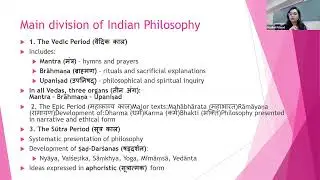
Introduction to Metaphysics (Tattva Mīmāṁsā): Compiled Lecture Transcript
Автор: Dr. Madhvi Prasad
Загружено: 2026-01-29
Просмотров: 43
Описание:
This course introduces the philosophical discipline of Metaphysics, which examines the fundamental nature of reality. Before proceeding, it is important to understand the objective of the course.
Course Objective
The primary aim of this course is to help students reflect on fundamental questions such as:
What is reality?
Is what we perceive through our senses the ultimate truth?
Is there something beyond appearances?
What is the nature of existence, soul, matter, God, and the universe?
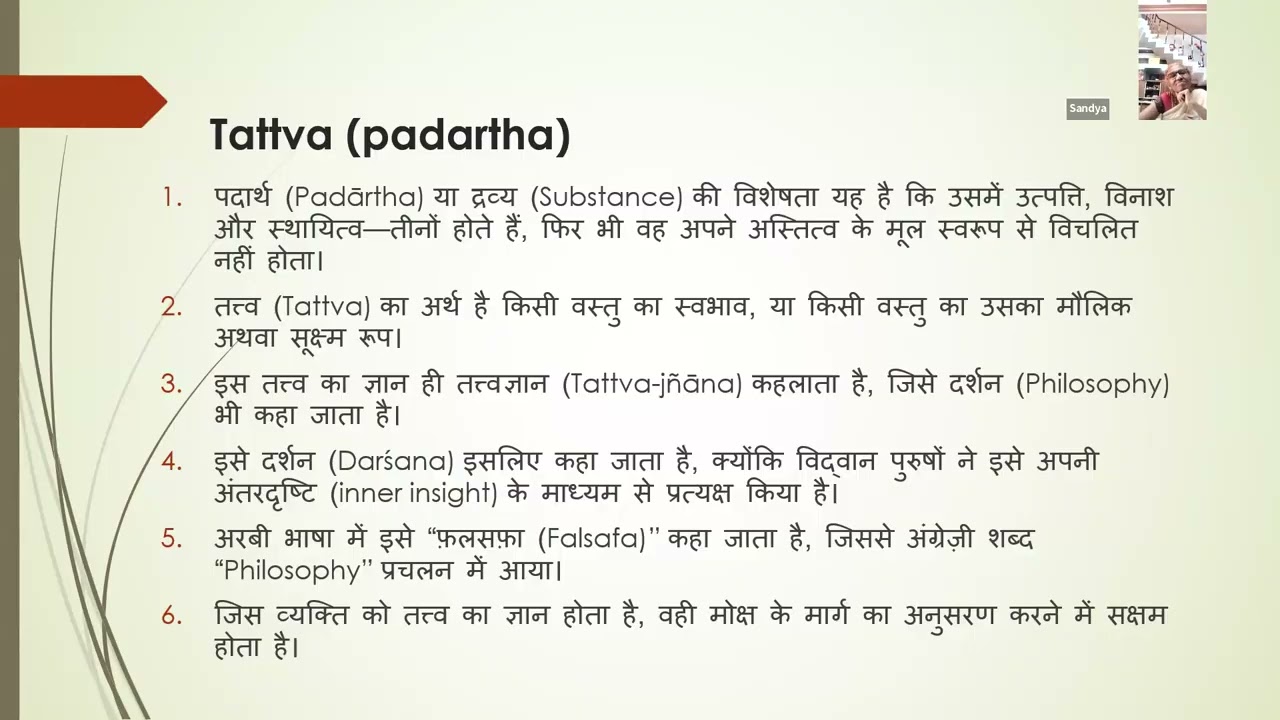
Such inquiries form the core of metaphysical investigation. From the perspective of Indian philosophy, and particularly Jain philosophy, metaphysics involves an in-depth study of tattva (fundamental principles).
Meaning of Metaphysics
In Indian philosophical terminology, metaphysics is known as Tattva Mīmāṁsā—the inquiry into reality or fundamental principles (tattva).
Tattva refers to that which truly exists, while mīmāṁsā means systematic investigation.
Philosophy and Wisdom
The term philosophy originates from the Greek words philo (love) and sophia (wisdom), meaning love for wisdom. Philosophy encourages us to question appearances and seek deeper truths about existence, suffering, happiness, and liberation.
Key Philosophical Questions
Philosophy raises essential questions such as:
What is the nature of the world?
Who created the universe?
What is happiness and suffering?
What causes suffering?
Is complete freedom from suffering possible?
Different traditions, including Buddhism, Jainism, Vedānta, and Western philosophy, address these questions in distinct ways.
Substance, Change, and Continuity
To understand metaphysics, one must grasp the concept of substance (dravya). Every substance undergoes:
Origination
Destruction
Continuity
For example, when an object like a pen is created, used, and eventually destroyed, its substance undergoes transformation but does not disappear entirely. This principle helps us understand deeper metaphysical questions about the body, soul, and rebirth.
Body, Soul, and Existence
The body is material and perishable, but Indian philosophy argues that the soul (ātman) continues beyond bodily destruction. Metaphysics examines whether identity persists through change and how continuity exists beyond physical dissolution.
Upaniṣadic Perspective
The Upaniṣads explore reality through the study of consciousness and identify four states of awareness:
Jāgrat (waking state)
Svapna (dream state)
Suṣupti (deep sleep)
Turīya (transcendental state)
According to the Upaniṣads, true metaphysical knowledge is realized only in the Turīya state, attained through meditation and spiritual discipline. This state leads to bliss, freedom from suffering, and ultimate knowledge.
Western Philosophical Insights
Early Greek philosophers also engaged in metaphysical inquiry:
Thales proposed water as the fundamental substance of reality.
Heraclitus argued that reality is in constant flux, emphasizing impermanence and change.
These perspectives contrast with Indian traditions that explore both permanence and impermanence.
Vedānta and Non-Duality
Vedānta teaches non-dualism (abheda)—the idea that all apparent differences are illusory. A classic example is mistaking a rope for a snake in darkness. Ignorance creates illusion, while knowledge reveals unity.
Thus, distinctions between self and others are experiential, not ultimate.
Identity, Difference, and Qualities
Metaphysics also examines:
Identity and sameness
Difference and plurality
Qualities (guṇa) such as sattva, rajas, and tamas
All beings possess these three qualities, though in varying proportions. These qualities influence behavior, temperament, and perception.
Branches of Metaphysics
Metaphysics is studied through several branches:
Ontology – the study of being and existence
Cosmology – the study of the universe
Causation – cause-and-effect relationships
Tattva Mīmāṁsā – inquiry into fundamental principles
Conclusion
Metaphysics is a vast and profound discipline that bridges philosophy, religion, spirituality, and lived experience. Through systematic inquiry into reality, consciousness, substance, and causation, metaphysics enables deeper self-understanding and guides the seeker toward liberation (mokṣa).
Повторяем попытку...
Доступные форматы для скачивания:
Скачать видео
-
Информация по загрузке: