Why The EU Pay Transparency Directive Is More Than A Compliance Exercise
Автор: People Managing People
Загружено: 2026-08-11
Просмотров: 250
Описание:
The EU Pay Transparency Directive isn’t just another reporting requirement. As pay reporting expert Tom Heys puts it, it’s closer to the UK gender pay gap regime “on steroids”—combining organization-wide reporting with individual employee rights, restrictions on recruitment practices, and requirements to group jobs of equal value and explain the pay differences within them.
The bigger issue is what happens when organizations are finally required to show their work. Pay transparency exposes weak job architecture, outdated job descriptions, excessive manager discretion, and analytical models nobody can explain. And there’s a broader AI lesson buried in all of this: technology can accelerate analysis, but it can’t absorb accountability. Leaders still have to understand—and defend—the decisions made in their name.
What You’ll Learn:
Why the EU Pay Transparency Directive represents an operating model change, not a compliance exercise
How job architecture and job categorization underpin pay transparency
Why documented job descriptions can create risk when they don’t reflect the work employees actually perform
How employee rights and representative scrutiny change the dynamics around compensation
Why statistically accurate analysis isn’t necessarily defensible analysis
Where AI can accelerate pay analysis—and where human judgment still needs to own the decision
Why explainability is becoming a core leadership capability
Key Takeaways:
Pay transparency is exposing the machinery underneath compensation. Reporting is only the visible part of the iceberg. Organizations also need defensible approaches to job architecture, leveling, pay setting, governance, and categorization.
You can’t evaluate the job people were hired to do if they’re doing a different one. Scope creep and outdated job descriptions create a garbage-in, garbage-out problem. Before automating job evaluation, organizations need an accurate picture of the work actually being performed.
The right answer isn’t enough anymore. As Tom puts it, this is like a maths exam: you get marks for the answer, but more marks for showing your working. If employee representatives can challenge methodologies, organizations need to explain how they reached their conclusions—not simply point to an output.
AI should accelerate judgment, not replace it. A polished model or analysis can create more confidence than the underlying data deserves. AI can speed up the process, but leaders still own the assumptions, methodology, and consequences.
Transparency turns old inconsistencies into current liabilities. Pay differences that were previously buried inside opaque systems become much harder to ignore once employees have the information and rights needed to challenge them.
Explainability is becoming a leadership capability. Leaders increasingly have to defend decisions influenced by systems they didn’t build and may not fully understand. Efficiency matters, but “the system said so” isn’t governance.
Chapters:
00:00 — Pay Transparency Is an Operating Model Shift
02:21 — Why the PTD Is Different
04:38 — A New Pay Operating Model
05:44 — The Job Architecture Iceberg
08:12 — Accuracy vs. Explainability
11:50 — Job Descriptions vs. Real Work
14:33 — Employees Gain More Visibility
15:55 — AI and Compliance Risk
18:02 — Defensible Pay Differences
19:47 — When Pay Becomes Visible
24:58 — From “Trust Us” to “Show Us”
25:46 — The Organizational MRI
28:33 — The Risk of Black-Box Analysis
33:30 — AI Can’t Own Accountability
34:43 — Explainability as Leadership
36:09 — Final Thoughts
Meet Our Guest:
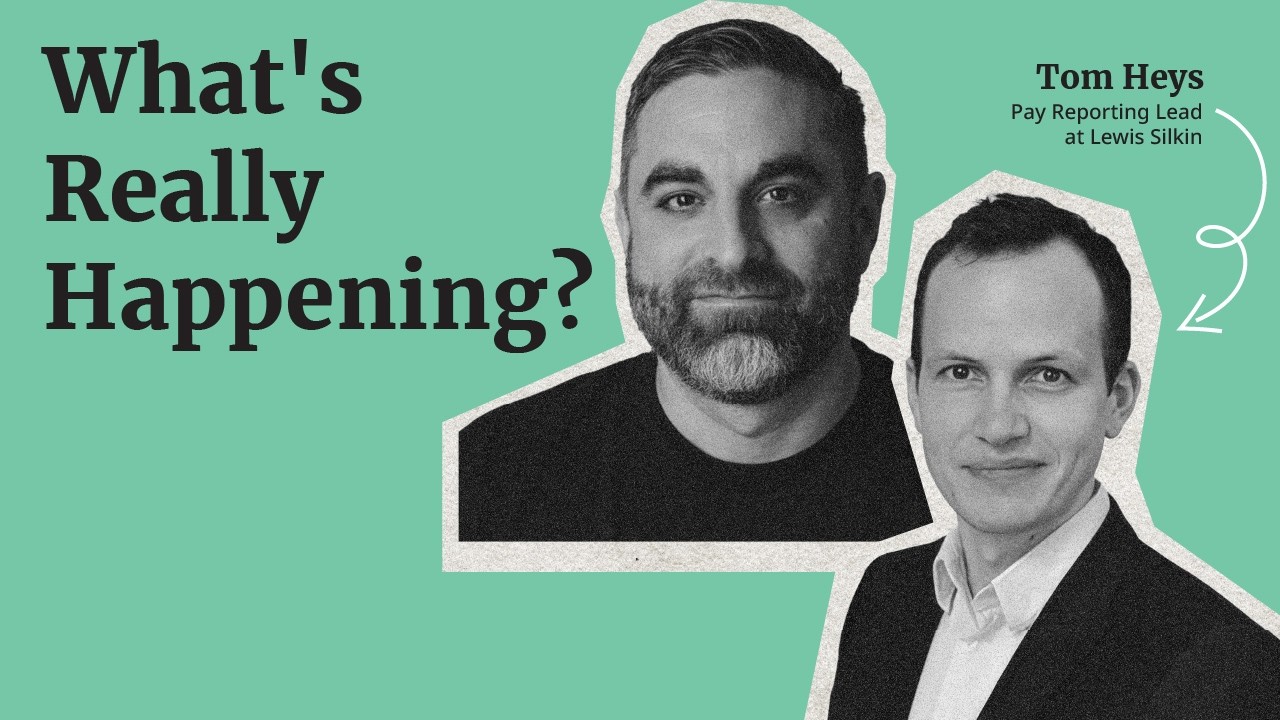
Tom Heys is the Pay Reporting Lead at Lewis Silkin and a recognized expert in pay transparency and gender and ethnicity pay gap reporting. He leads the firm’s pay gap reporting services across the UK and Ireland, helping employers use statistical analysis to understand the underlying causes of pay disparities and develop meaningful interventions. With a Master’s degree in Statistics, Tom also co-leads Lewis Silkin’s EU Pay Transparency Directive services and hosts the firm’s Pay Attention podcast, sharing practical insights on evolving pay transparency requirements and workplace equality.
Related Links:
Join the People Managing People Community: https://peoplemanagingpeople.com/free...
Check out this episode’s sponsor: QuickBooks Online https://www.jdoqocy.com/click-1015978...
Connect with Tom on LinkedIn: / tomheys
Visit Lewis Silkin: https://www.lewissilkin.com/
Повторяем попытку...
Доступные форматы для скачивания:
Скачать видео
-
Информация по загрузке: