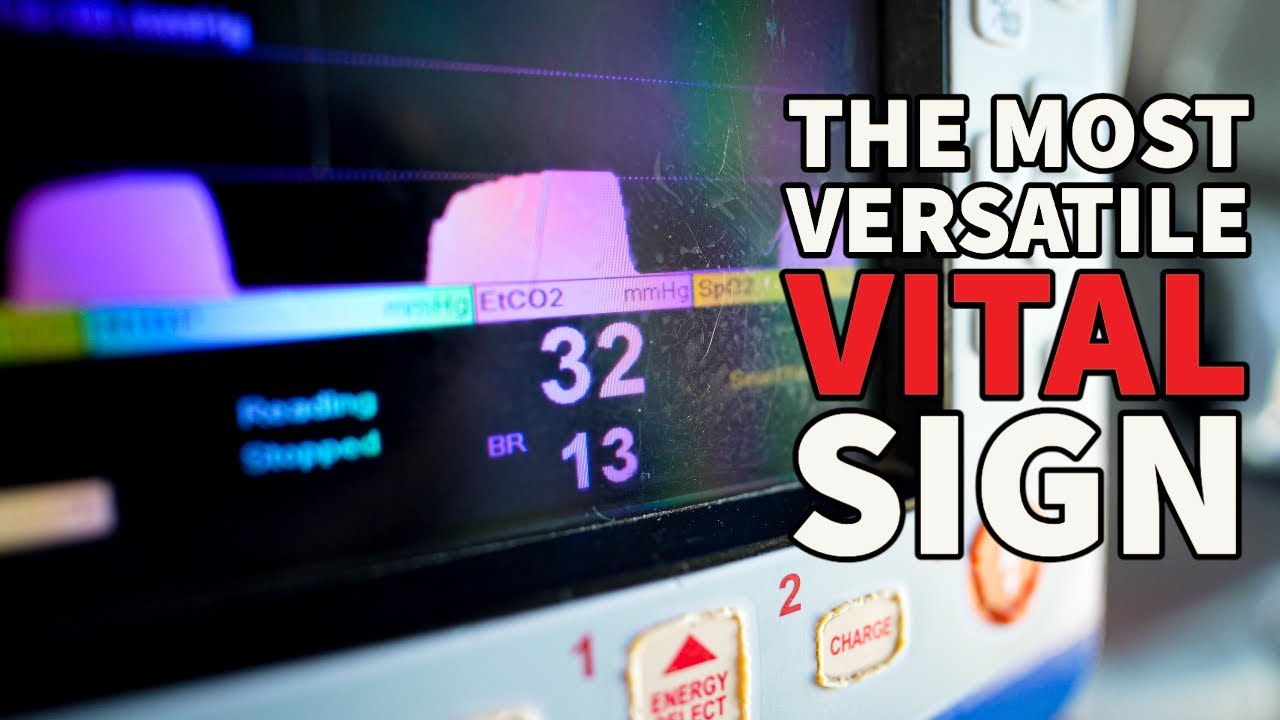
Understanding Carbon Dioxide & etCO2 Monitoring
Автор: CCM TUTORIALS
Загружено: 2023-03-22
Просмотров: 401
Описание:
This is a supplementary video on clinical monitoring. It is fairly long and can be broken into sections at 20 minutes and 37 minutes if you have a short attention span. The content is absolutely essential for doctors and nurses working in anesthesiology and intensive care.
In my opinion measuring expiratory CO2 from the ventilator circuit is the most useful clinical measurement tool that we have. It gives us information about cellular metabolic activity, blood flow, venous return, lung unit perfusion, gas exchange and alveolar ventilation.
The tutorial commences with a discussion of CO2 as a gas and discusses Henry's and Daltons' laws. I then discuss the various different CO2 moieties, particularly bicarbonate. Subsequently I go on to discuss the impact of alveolar ventilation on PaCO2.
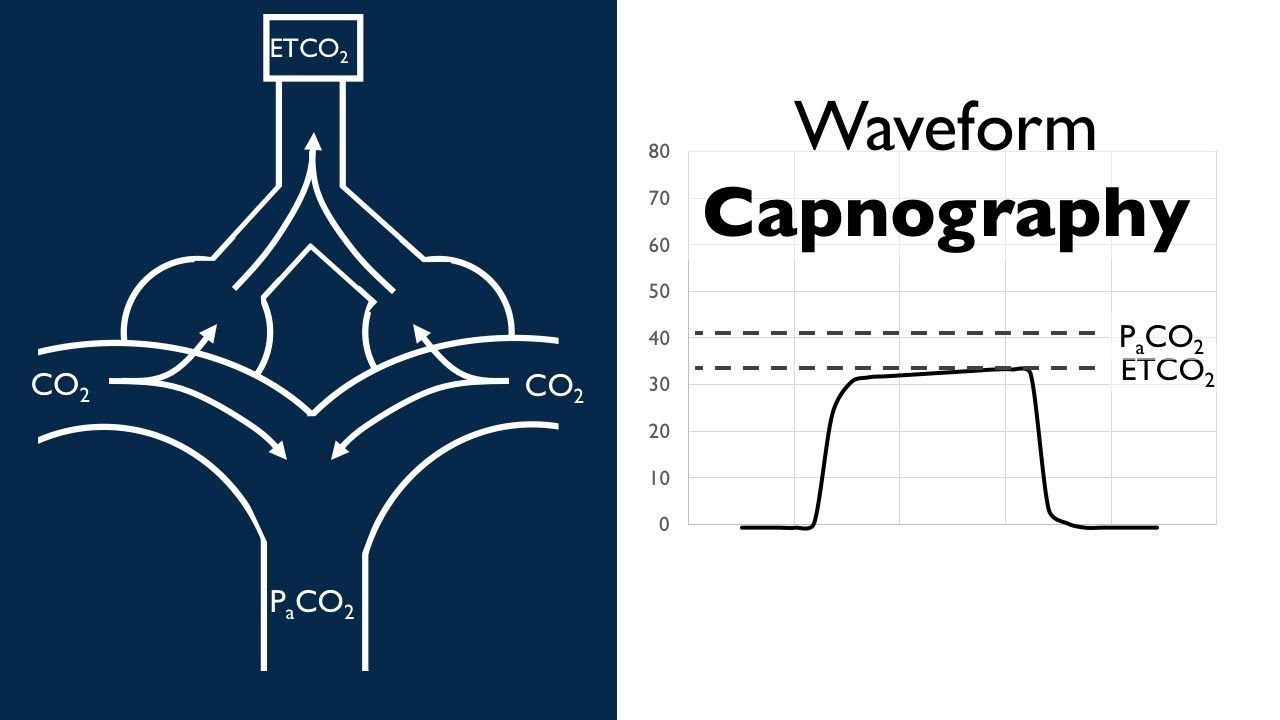
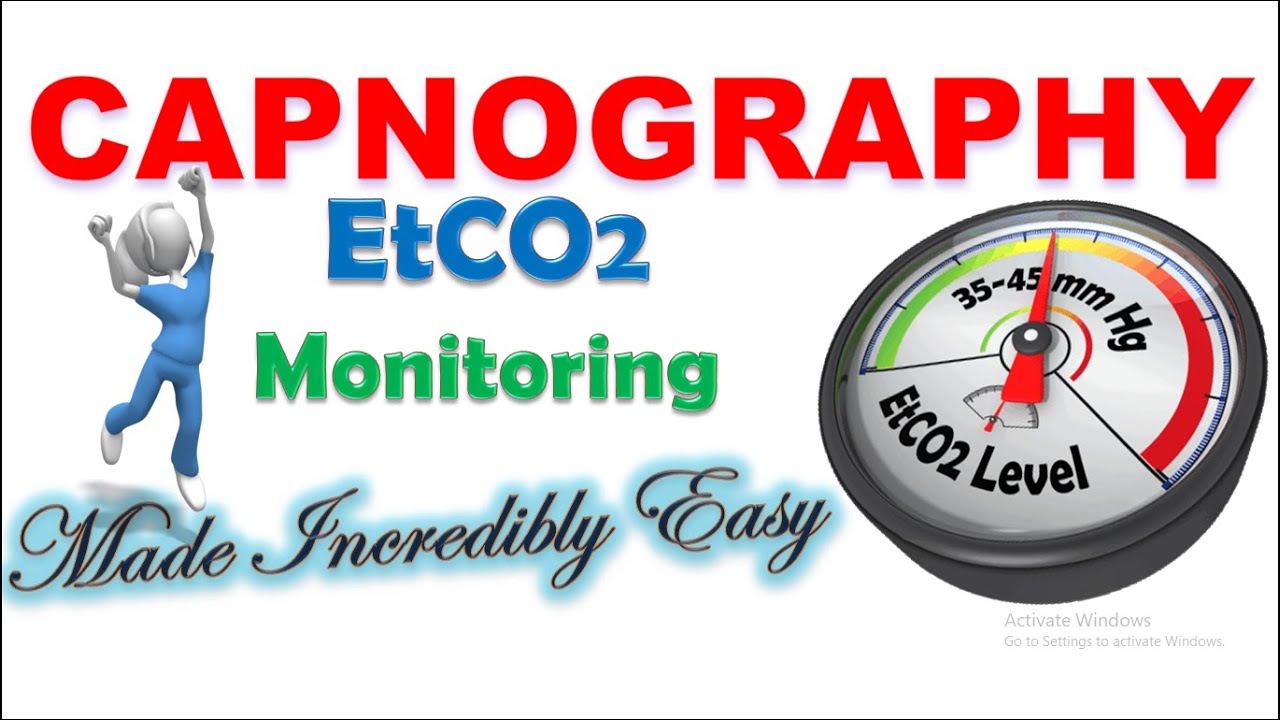
After 20 minutes I move on to discuss capnometry - the measurement of the presence and quantity of CO2 emerging from the lung at end expiration. I discuss why the etCO2 may rise of fall. I then look at a specific clinical scenario where the etCO2 falls precipitously.
After 37 minutes I discuss capnography - initially the normal capnograph and then a series of different capnography traces that you should be able to recognize. As a final thought I mention that CO2 is not the only waste produce or metabolic intermediary that we measure, routinely, in clinical practice.
@ccmtutorials www.ccmtutorials.org
00:30 Introduction
01:00 Review of Previous Tutorial
02:00 Clinical Scenario - Brenda in the Operating Room - TAH + BSO
03:00 End Tidal CO2 - What is it?
03:30 Henry's Law
06:30 Dalton's Law
10:00 CO2 Partial Pressure Gradients
11:20 Biology of Carbon Dioxide
13:00 CO2 Content of Blood
13:50 Impact of Changes in Alveolar Ventilation on PaCO2
15:40 How Many Grams of CO2 do we Produce Each Minute?
20:00 Capnometry
22:30 Why the Saturation Probe is Inadequate When Confirming Intubation
23:30 Portable Capnometers
26:30 Causes of Elevated PetCO2 in the Operating Room and ICU
32:40 Clinical Scenario Revisited - Brenda TAH + BSO in OR (Pulmonary Embolism)
36:40 Causes of a Low PetCO2
37:00 Capnography
43:00 Capnography Traces - Problem Based Learning (pause the video and look at the traces)
58:40 Final Thoughts
59:30 Preview of Next Tutorial (Pressure Support)
Повторяем попытку...
Доступные форматы для скачивания:
Скачать видео
-
Информация по загрузке: