Pipefish and Reed Cormorants Birding Garden Route
Автор: Birdwatcher
Загружено: 2026-01-28
Просмотров: 4
Описание:
Pipefish and Reed Cormorants Birding on theGarden Route with Birdwatcher
http://www.birdwatcher.co.za
Pipefish in the Swartvlei–Wilderness area (Garden Route): the “needlefish” of the seagrass
If you spend time around Swartvlei and the Wilderness lake system, you’re in one of South Africa’s most interesting estuarine landscapes, shallow, plant-rich waters that shelter an entire hidden community of small fish. Among the most photogenic (and most overlooked) are pipefish: long, slender relatives of seahorses in the family Syngnathidae.
Pipefish in this region are strongly linked to submerged vegetation, especially eelgrass/seagrass beds, because that habitat provides both cover and food. In the Garden Route estuaries, these same submerged plant beds are also famous for supporting the endangered Knysna seahorse, and sources discussing the region note that pipefish occur alongside these seahorses and can be affected by disturbances to the system (including mouth breaching events) according to “Visit Knysna”.
A key idea for your story: pipefish survive by being hard to notice. They are essentially living pieces of drifting vegetation, until a predator spots the telltale movement.
What pipefish are (and why they’re in Swartvlei)
Pipefish are bony, armoured fish with:
a tubular snout (they feed by suction, picking tiny prey from the water and plant surfaces),
a rigid body with ring-like bony plates,
and a lifestyle built around camouflage and stillness.
In estuarine systems like Swartvlei, their “sweet spot” is where there is:
structure (seagrass/eelgrass, reeds, submerged sticks, weed beds),
small prey (tiny crustaceans and plankton),
and gentler currents than the open surf zone.
Swartvlei and nearby estuarine lakes are also known to host syngnathids in general; research on mass mortality events in the Swartvlei system has specifically noted Longsnout pipefish in the Swartvlei estuary context (as part of the fish affected during environmental stress events) (PDF via ResearchGate).
When pipefish become “easy food” for Reed Cormorants
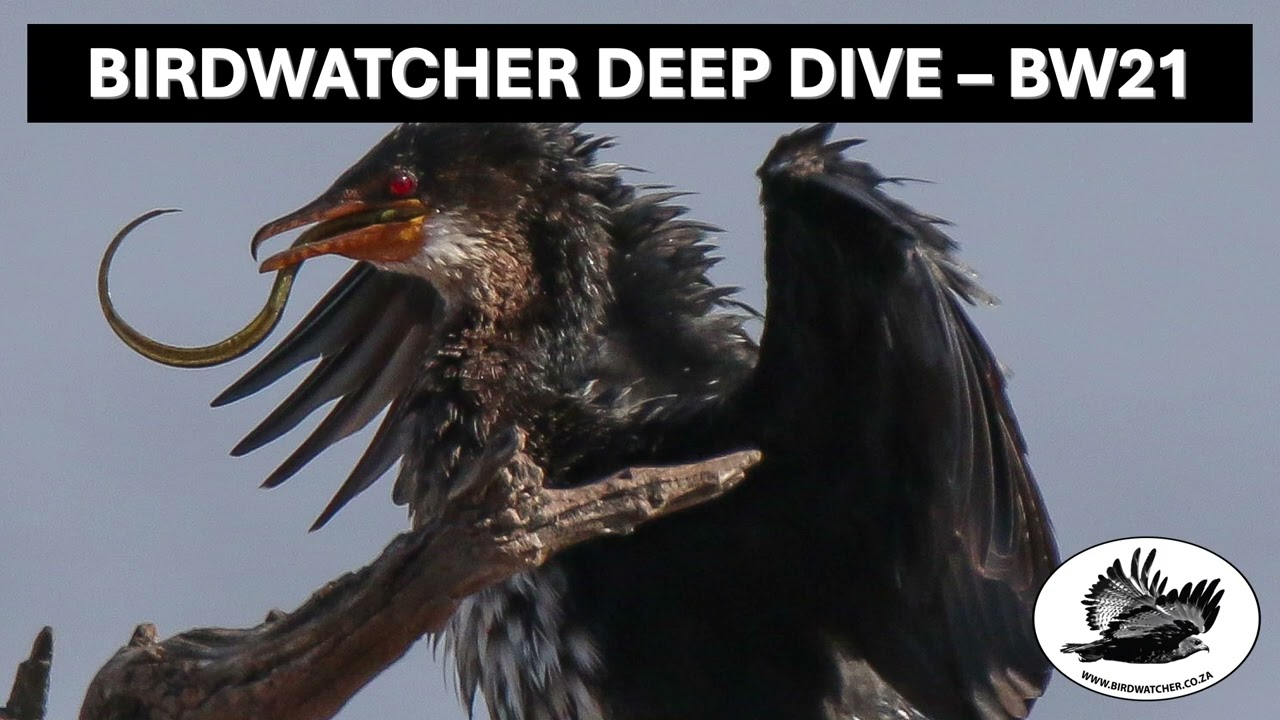
a Reed Cormorant eating a pipefish on a perch at the Rondevlei birdhide (Rondevlei area near Sedgefield), is exactly the kind of moment where hidden ecology becomes visible.
Pipefish become easier prey for visual hunting birds like cormorants under a few predictable conditions:
1) When cover is reduced or disrupted
Pipefish rely on vegetation to disappear. They become far more exposed when:
seagrass beds are thinned,
water levels drop,
strong winds push weed beds aside,
or the system is disturbed (including drastic changes associated with mouth dynamics).
Local sources discussing the broader Knysna/Swartvlei estuarine habitats explicitly mention that artificial breaching can strand or kill seahorses and pipefish, a clue that sudden habitat and water-level changes can leave these animals vulnerable Visit Knysna.
2) When they’re forced into shallow edges
Cormorants excel in shallow water where fish have fewer escape routes. Pipefish can end up along edges when:
tides or wind-driven currents concentrate them,
water clarity increases in shallows,
or vegetation mats drift into predictable “lines”.
3) After stress events (they slow down)
Pipefish are not fast sprinters. When stressed (temperature swings, salinity changes, low oxygen, handling by waves), they may become sluggish, turning camouflage into their only defence. If camouflage fails, capture becomes likely.
4) During seasonal pulses of juveniles
In many fish species, juvenile recruitment seasons create a temporary abundance of small, naive prey. With syngnathids, the pattern can be similar periods when more small pipefish are around can translate to more frequent predation events.
Why a Reed Cormorants on a perch matter
Cormorants usually swallow fish quickly in the water, but when prey is awkward, like a long pipefish, they often surface and reposition it. A perch becomes a “processing station”:
grip and align the fish head-first,
manage the length (pipefish are like living skewers),
swallow efficiently.
Conservation notes:
Pipefish and their relatives are habitat indicators; they need healthy submerged vegetation and stable estuarine conditions.
More Info:
Birding with Birdwatcher on the Garden Route at Sedgefield, Wilderness and Knysna.
Ben Fouche (Birdwatcher) leads guided birding tours on the garden Route and Klein Karoo. Ben is a National Tour Guide fo Nature and Culture in South Africa. Birdwatching in Knysna, Wilderness, George, Plettenberg Bay, Natures Valley, Klein Karoo and more
Birdwatcher is listed on the BirdlifeSA website as a preferred Guide and Tour Operator.
Bookings can also be done directly from africabirding.co.za
Повторяем попытку...
Доступные форматы для скачивания:
Скачать видео
-
Информация по загрузке:


