Nobel Prizes Explained: Anaphylaxis
Автор: LY Med
Загружено: 2019-08-03
Просмотров: 678
Описание:
Want to support the channel? Be a patron at:
/ lymed
Subscribe for future videos in this series!
Now allergies and anaphylaxis seem like commonplace knowledge now, but it wasn’t that way for most of history. For example, 17th century Michael would eat shrimp and be fine. So did his family, and everyone he knew. But one day he gave shrimp to a traveler, and suddenly his throat closed and he died.
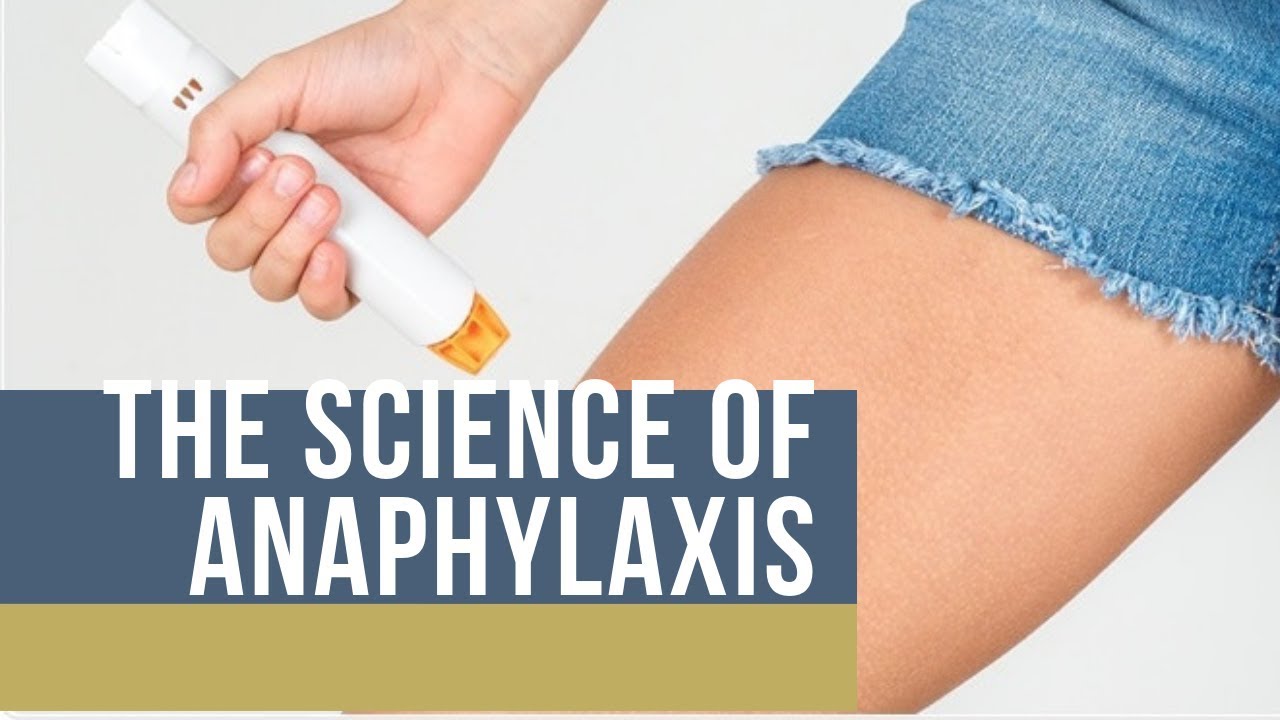
And they were left wondering – um…what was that. That’s generally how it went for most of history. What exactly was going on? What causes – what we know now as anaphylaxis. Anaphyalxis is caused by immune hypersensitivity -name gives it away – your immune system is reacting in an overly sensitive way that ends up harming them instead of helping them. First off, you are exposed to the foreign molecule – we call it an antigen (be it a from a peanut, shrimp, or bee sting). This antigen gets presented to our immune cells, which starts to produce an antibody called igE, which specifically binds to this allergen as well as sensitizes special immune cells called mast cells. It coats mast cells.
When exposed again, the mast cells are ready, it springs into action (maybe springs a little too hard) and starts attacking and releasing mediators such as histamine. Histamine fights the invading antigen but also produces a lot of the symptoms we see in anaphyalxis. Histamine contracts the muscles in your lungs- making it hard to breathe. It causes your blood vessels to dilate and become permeable or “leaky”, causing swelling.
If not treated early, anaphylaxis can be fatal. In the US, up to 5% of the population have suffered anapyhalxis. Now what causes some people to be predisposed to allergies and anaphylaxis? Multifactorial – part of it is the environment and early exposure, part of its genetics – lots of research still ongoing.This research didn’t really even start until the 1800s it became clear that during some animal experiments, certain animals reacted horribly to injected doses of foreign proteins., However, they couldn’t piece it together on why they reacted this way and chalked it up to incidental findings.
Until Charles Richet. Born to a affluent and socially prominent family, he was exposed to avariety of subjects and grew up loving traveling, sailing, classic literature, sciences, and the…not so science such as hypnosis, spiritualist and paranormal phenomenon. Fun fact He was the one that coined the term ectoplasm.
In 1901, he was given an offer he couldn’t refuse. Known for his love of sailing and marine life, he was offered to join a scientific cruise with other prominent scientists. Their initial mission was to study the portugeuse man-of-war, a beautiful but deadly marine invertebrate that stung and harmed nearby sailors.
Now at this time- it was known that by injecting small amounts of toxin may build immunity in animals and humans, so they sought to replicate those experiments. They injected a small amount in dogs and measured its effects- which were inconclusive. They tried again, with another small dose all of the dogs in the groups quickly collapsed and died within minutes. Their deaths were unlike the deaths of the toxic dose experiment.
They believed that the dogs were rendered “exquisitely sensitized” to the toxin. These dogs were suppose to be more immune, not less. This “curious exception” was given the Greek name aphylaxis or “contrary to” protection” – later changed to anaphylaxis.
They would later repeat these findings in non-toxic poisons just to show it wasn’t toxins that were killing the dogs. He would present his work and open the door for immune hypersensitivity and anaphylaxis research in the future.
For his works on anapyhalxis, he won the Nobel prize in 1913.
Disclaimer:
These videos do not provide medical advice and are for informational purposes only. The videos are not intended to be a substitute for professional medical advice, diagnosis or treatment. Always seek the advice of a qualified health provider with any questions you may have regarding a medical condition. Never disregard professional medical advice or delay in seeking it because of something you have read or seen in any LY Med video.
Повторяем попытку...
Доступные форматы для скачивания:
Скачать видео
-
Информация по загрузке: