ycliper

Популярное

Музыка Кино и Анимация Автомобили Животные Спорт Путешествия Игры Юмор

Интересные видео

2025 Сериалы Трейлеры Новости Как сделать Видеоуроки Diy своими руками

Топ запросов

смотреть а4 schoolboy runaway турецкий сериал смотреть мультфильмы эдисон
Скачать

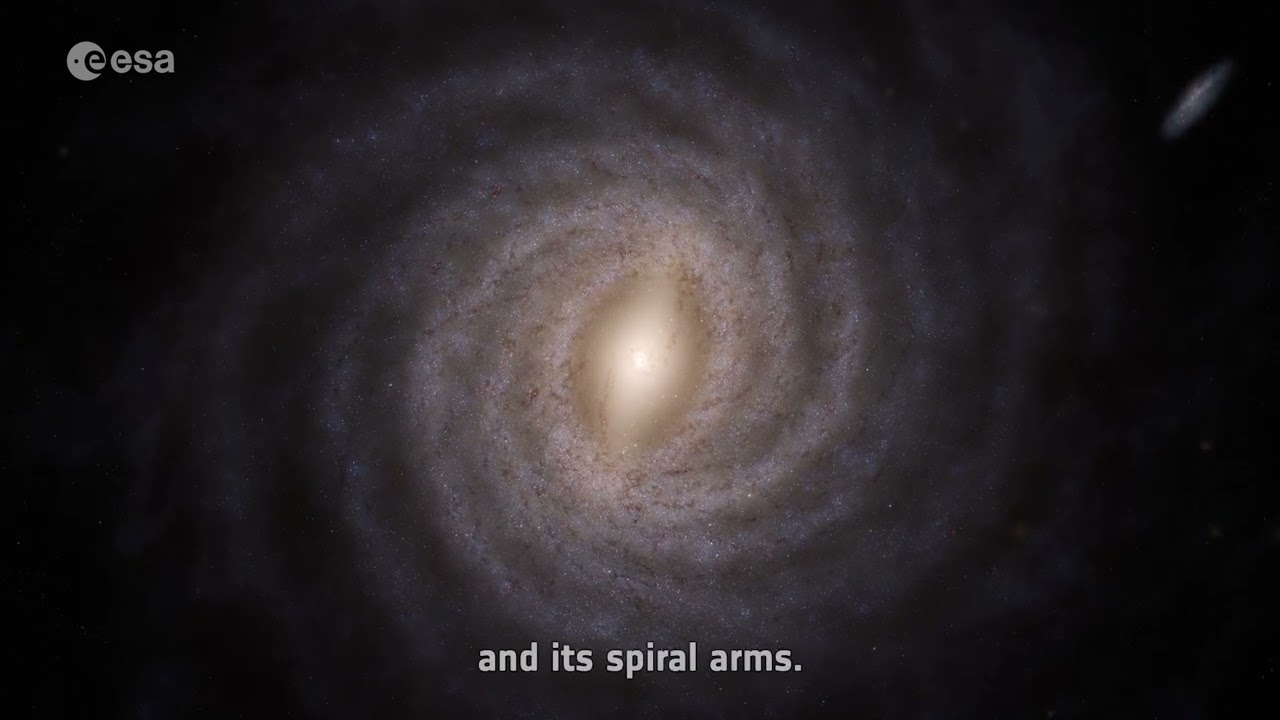
Gaia's exoplanets and double stars (Gaia Data Release 3)

Автор: ESA Gaia Mission

Загружено: 2022-06-21

Просмотров: 1277

Описание: Full details in the published stories here: https://www.cosmos.esa.int/web/gaia/d... and here: https://www.cosmos.esa.int/web/gaia/d...

Published for Gaia Data Release 3 on 13 June 2022.

The Gaia DR3 Catalogue contains for the first time more than 433,000 multiple stellar systems for which orbits could be determined. Several dozen stars in Gaia's data release 3 have substellar and planetary companions.

Some examples are highlighted in the video:

HD81040: A super-Jupiter orbiting a G-type star with a period of 1000 days. This planet was discovered using radial velocities and Gaia determined the star's astrometric orbit.

Gl876: The Gaia orbit corresponds to the M-dwarf's reflex motion due to the orbiting planet `b` which is a gas giant and was one of the earliest radial-velocity discoveries. This system is less than 5 pc distant from the Sun.

HD40503: This is a candidate giant exoplanet around a K dwarf discovered by Gaia astrometry. The orbital period is about 850 days and the inferred planet mass is about 5 Jupiter masses.

"WD0141-675: This is a candidate giant exoplanet around a nearby white dwarf discovered by Gaia astrometry. The orbital period is about 33 days and the inferred planet mass is about 9 Jupiter masses. The white dwarf is located within 10 pc from the Sun.

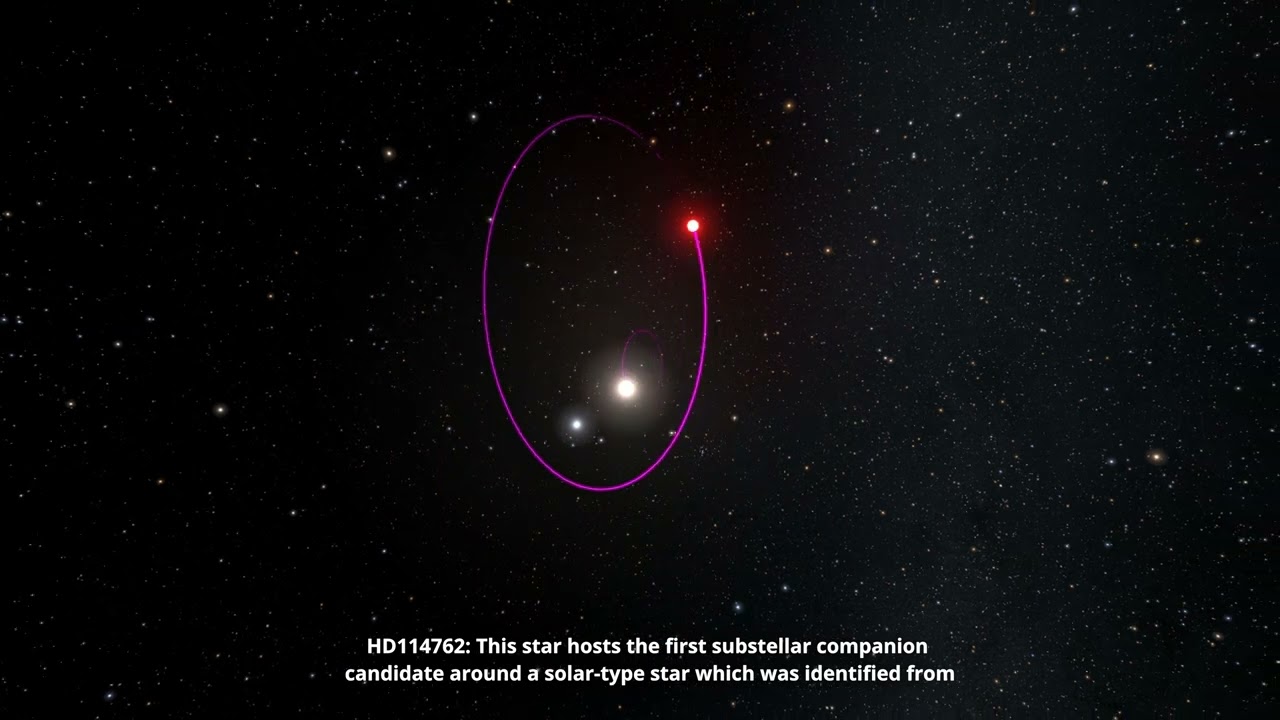
HD114762: This star hosts the first substellar companion candidate around a solar-type star which was identified from radial velocities in 1989. The Gaia results shows that the orbit is seen almost face-on and the the companion is therefore a low-mass M dwarf.

J0805+4812: This known system is composed of two brown dwarfs with spectral types of L4 and T5. Gaia's orbit determination refers to the photocentre of the system, dominated by the brighter primary component.

UCAC2 1151977 is a Sirius-like binary comprising a main sequence primary with a white dwarf companion. The white dwarf is considerably hotter than the primary star.

Credits: ESA/Gaia/DPAC - CC BY-SA 3.0 IGO (https://creativecommons.org/licenses/..., Based on the paper by the Gaia Collaboration
"Gaia Data Release 3: Stellar multiplicity, a teaser for the hidden treasure "

Acknowledgement:
Video: Stefan Jordan, Toni Sagristà, Johannes Sahlmann, Martin Barstow

Gaia DR3 data used for making this video are available at the following link:
https://www.archives.esac.esa.int/gaia

The video was created with Gaia Sky, developed by Toni Sagristà
Gaia Sky can be downloaded from
www.zah.uni-heidelberg.de/gaia/outreach/gaiasky

Не удается загрузить Youtube-плеер. Проверьте блокировку Youtube в вашей сети.
Повторяем попытку...
Gaia's exoplanets and double stars (Gaia Data Release 3)

Поделиться в:

Доступные форматы для скачивания:

Скачать видео

  • Информация по загрузке:
Скачать аудио

Похожие видео

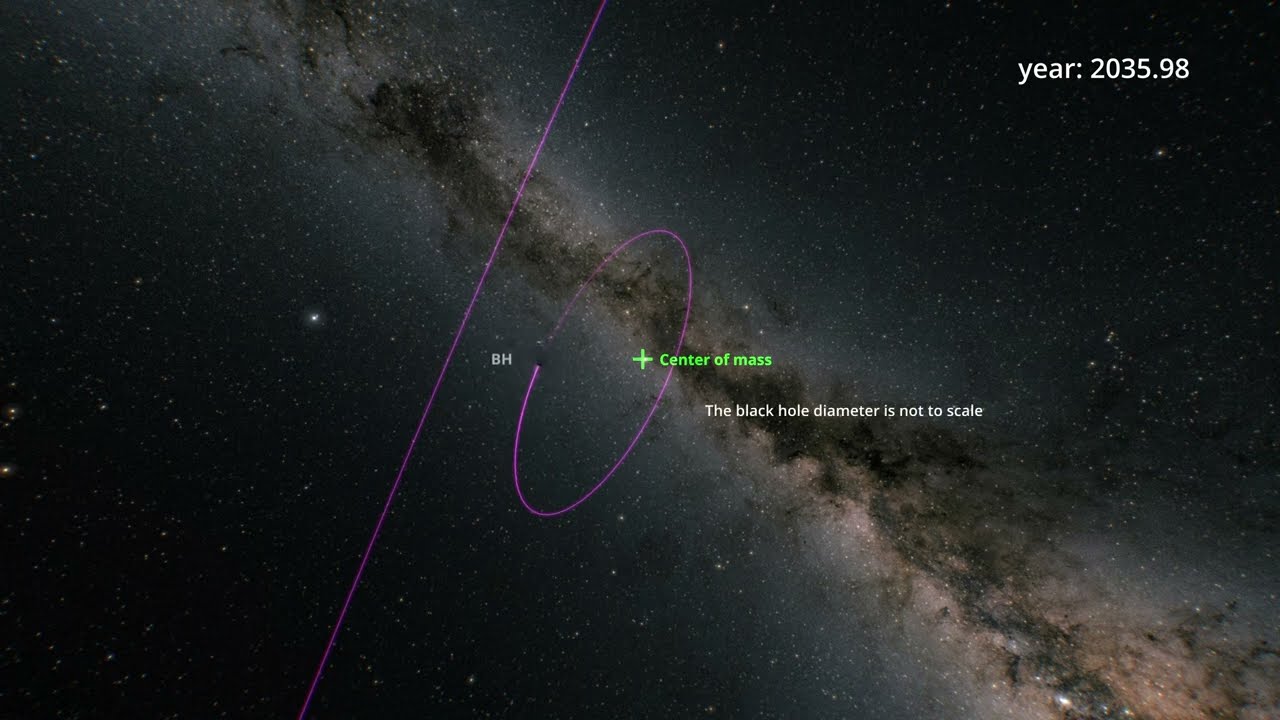
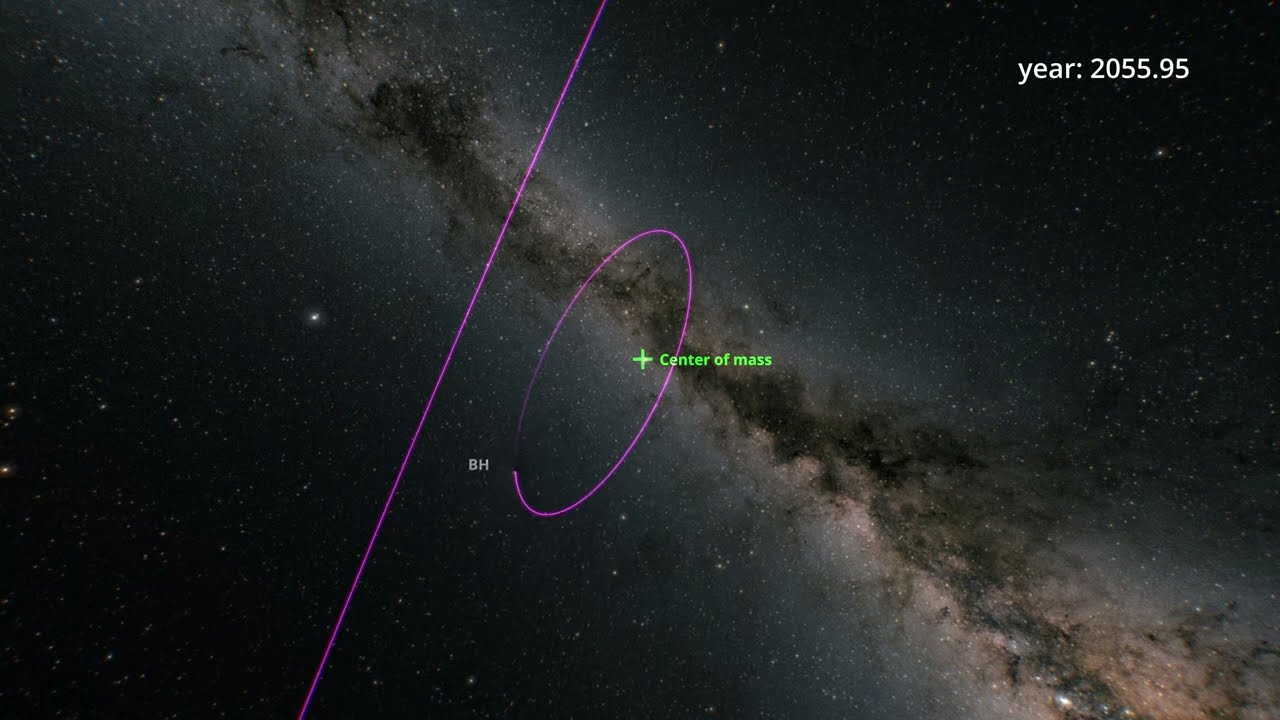
Gaia's discovery of a massive black hole in our Milky Way: Gaia BH3 (long version - no sound)

Gaia's discovery of a massive black hole in our Milky Way: Gaia BH3 (long version - no sound)

Мы нашли заднюю половину Титаника, и это ужасает

Мы нашли заднюю половину Титаника, и это ужасает

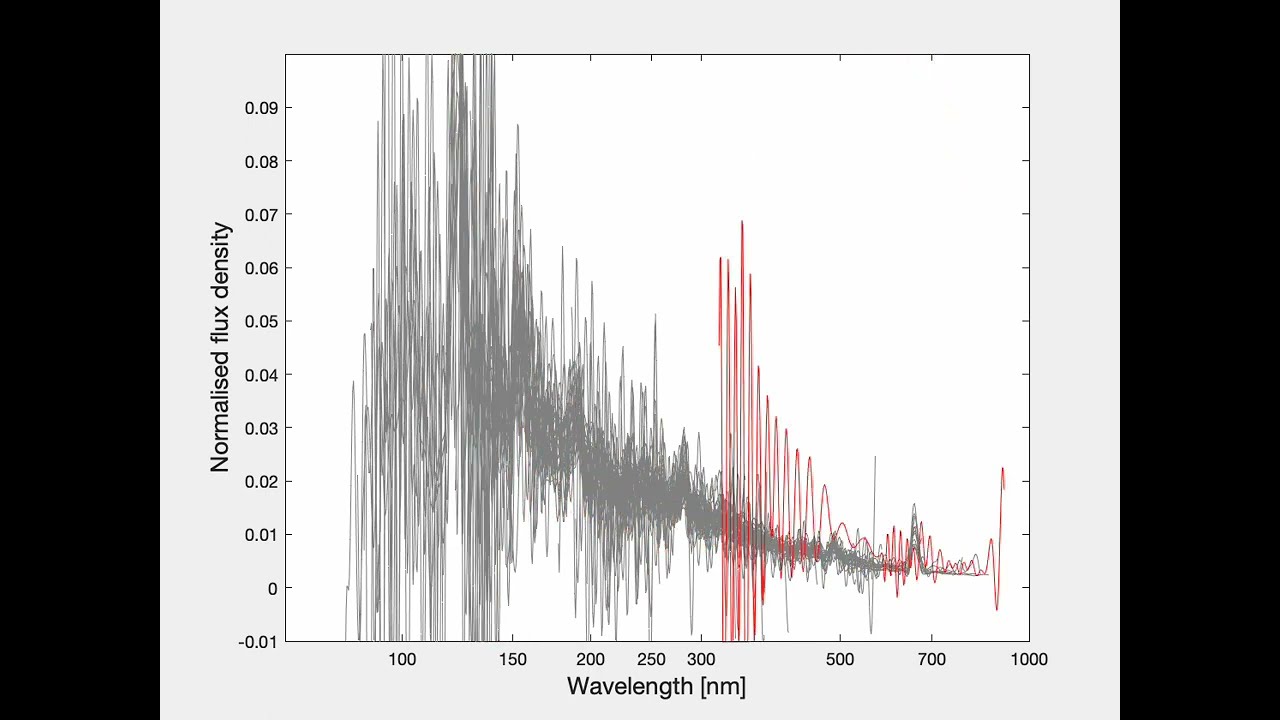
Gaia DR3 - Composite QSO spectrum

Gaia DR3 - Composite QSO spectrum

LSST Promotional Video

LSST Promotional Video

ESOcast 37: Full-size Mock-up of World's Largest Telescope Mirror | ELT Updates

ESOcast 37: Full-size Mock-up of World's Largest Telescope Mirror | ELT Updates

ПОЧЕМУ ГИГАНТЫ ИСЧЕЗЛИ? А ИХ ГОРОДА ОСТАЛИСЬ ПО ВСЕМУ МИРУ!?

ПОЧЕМУ ГИГАНТЫ ИСЧЕЗЛИ? А ИХ ГОРОДА ОСТАЛИСЬ ПО ВСЕМУ МИРУ!?

Star Removal in LRGBH: Order of Operations for Super-Luminance (M31 PixInsight Workflow)

Star Removal in LRGBH: Order of Operations for Super-Luminance (M31 PixInsight Workflow)

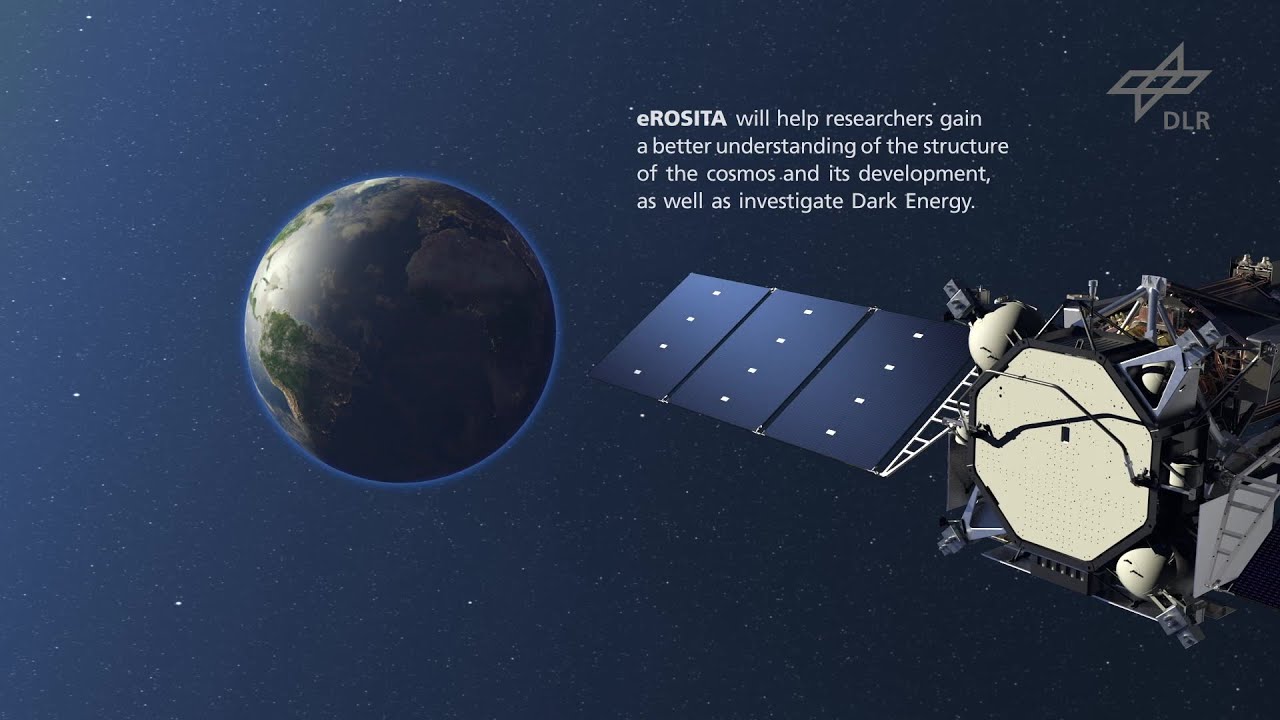
Hunting for Dark Energy - eRosita X-Ray Telescope

Hunting for Dark Energy - eRosita X-Ray Telescope

Gaia’s discovery of a massive black hole in our Milky Way: Gaia BH3 (long – no voice - music)

Gaia’s discovery of a massive black hole in our Milky Way: Gaia BH3 (long – no voice - music)

СОВЕТСКИЕ МАШИНЫ, которые десятилетиями СКРЫВАЛИ от всего МИРА — и вот ПОЧЕМУ

СОВЕТСКИЕ МАШИНЫ, которые десятилетиями СКРЫВАЛИ от всего МИРА — и вот ПОЧЕМУ

Gaia's discovery of a massive black hole in our Milky Way: Gaia BH3 (long version - voice - music)

Gaia's discovery of a massive black hole in our Milky Way: Gaia BH3 (long version - voice - music)

Europe's Very Large Telescope's Greatest Hits | Video

Europe's Very Large Telescope's Greatest Hits | Video

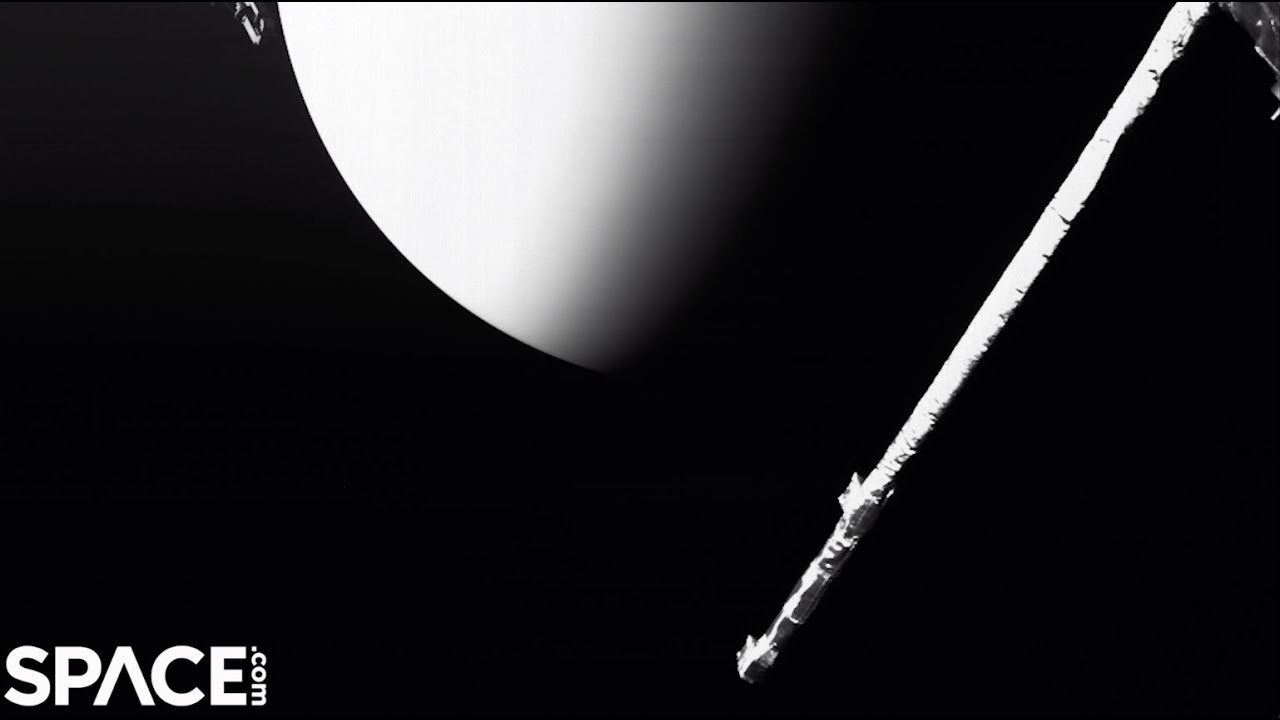
See the BepiColombo spacecraft zip by Venus in time-lapse video

See the BepiColombo spacecraft zip by Venus in time-lapse video

Tribute to ESO's Unsung Heroes

Tribute to ESO's Unsung Heroes

ESO Planetarium | 4KHDR Extended Trailer

ESO Planetarium | 4KHDR Extended Trailer

Gaia's Milky Way

Gaia's Milky Way

Flying over the ESO Supernova compilation

Flying over the ESO Supernova compilation

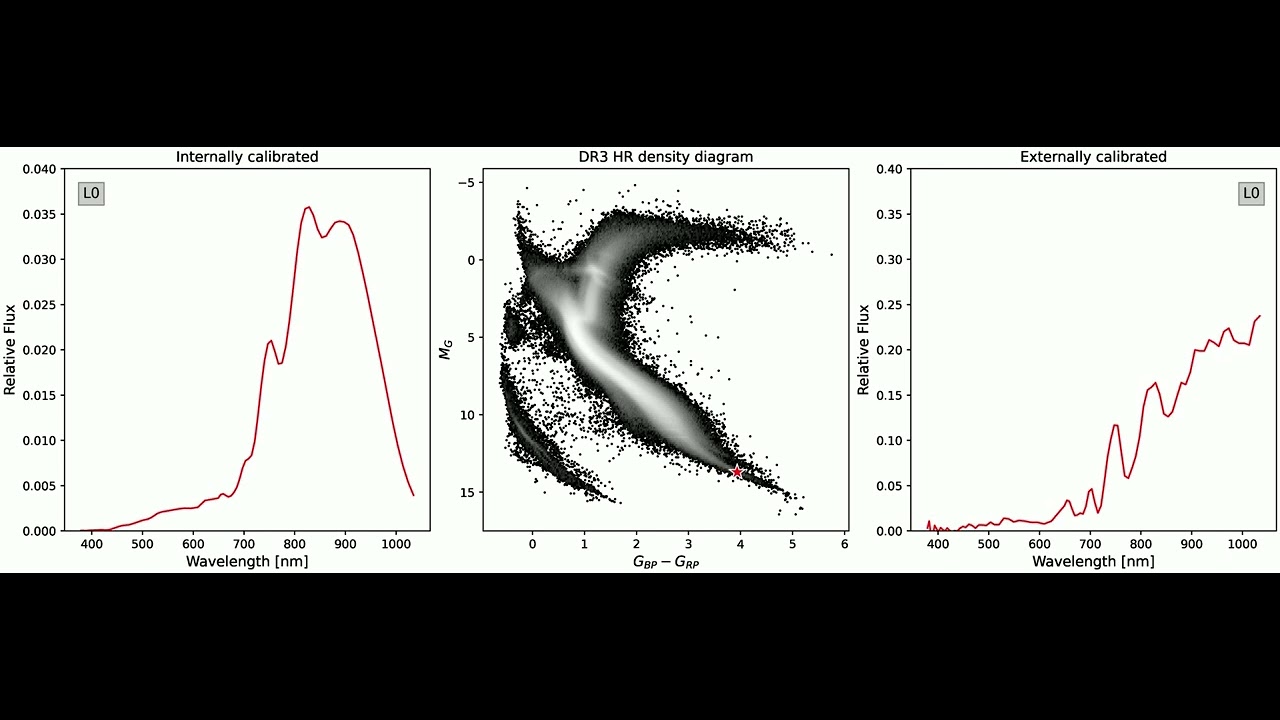
Evolution of BP/RP spectra for stellar spectral types covered in a low extinction HR diagram

Evolution of BP/RP spectra for stellar spectral types covered in a low extinction HR diagram

New Instrument Unveils Stellar Dust Ring & Titan Moon in Polarized Light | Video

New Instrument Unveils Stellar Dust Ring & Titan Moon in Polarized Light | Video

Gaia's Milky Way

Gaia's Milky Way

© 2025 ycliper. Все права защищены.


  • Контакты
  • О нас
  • Политика конфиденциальности


Контакты для правообладателей: [email protected]