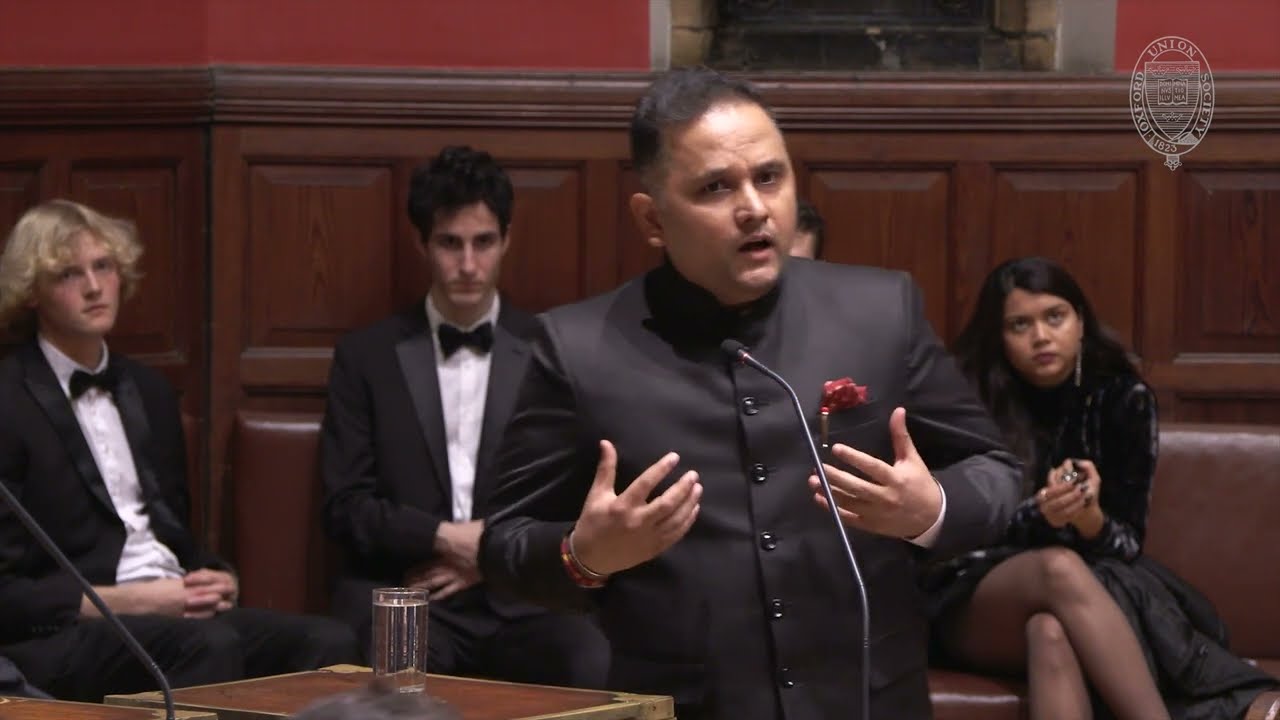
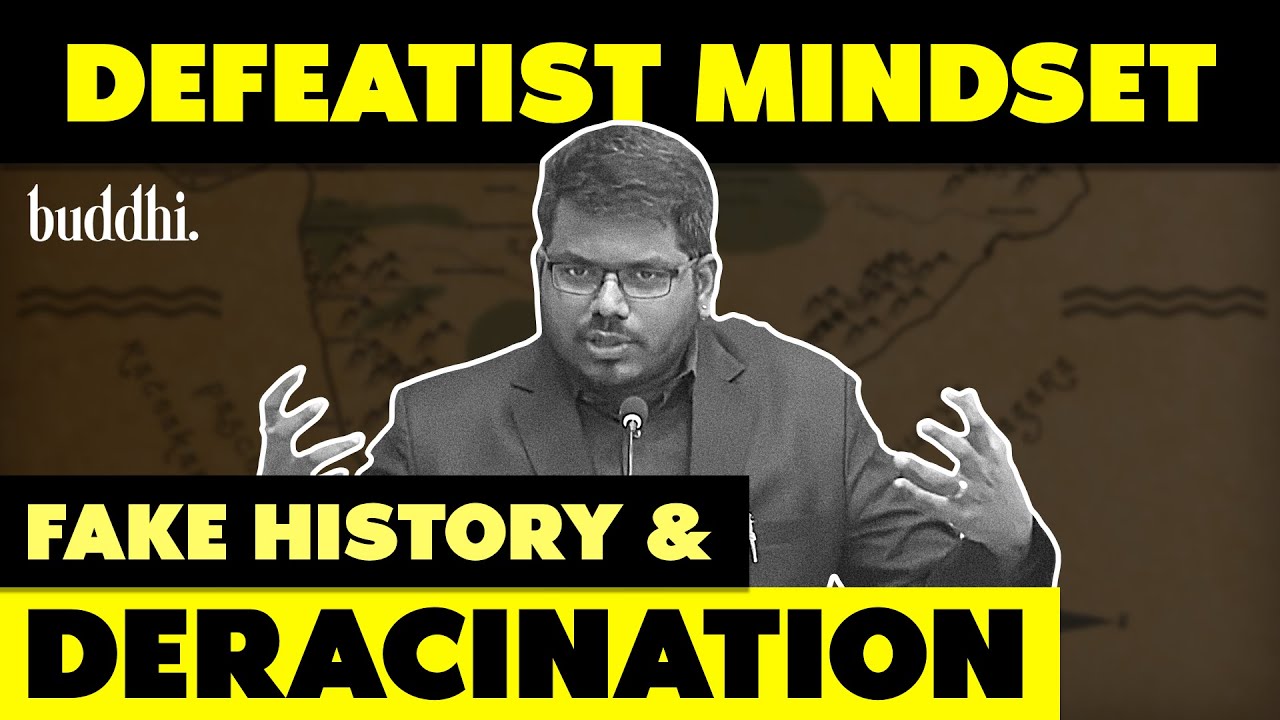
J Sai Deepak on Indian constitution, Supreme Court | Colonial Hindu Varna Bharat | Oxford University
Автор: Clear Cut Talks
Загружено: 2025-07-16
Просмотров: 30105
Описание:
Video Courtesy: NHSF UK ( 2025 )
💰 Support Our Team: Help us keep spreading bold ideas! 👉 Contribute: https://pages.razorpay.com/supportclearcutt
Your contributions fuel our mission to reach more people! 🙏
🚀 Stay Updated with Every Video:
💬 Join Our Communities:
✅ WhatsApp: https://whatsapp.com/channel/0029VaJ3N2vBV...
✅ Telegram: https://t.me/clearcuttalksdiscussion
J Sai Deepak's research sought how “Bharat” became “India” & explored whether there is tension between Bharat’s civilizational values and its constitutional framework. He examined whether Indian scholarship aligned with Latin American decolonial theories, which are often associated with Marxism and left-leaning ideologies. Deepak questioned whether the Indian Constitution reflects colonial biases, given its drafting in English and influences from Western constitutions (e.g., the U.S., Irish, and Czechoslovakian constitutions). He highlighted the Government of India Act of 1935 as a proto-constitution that heavily influenced the 1950 Constitution, questioning what aspects of it “worked” according to Dr. B.R. Ambedkar, the drafting committee chairman. He cited Article 17 (abolishing untouchability) and Article 25(2)(b) (ensuring access to Hindu places of worship for marginalized communities) as examples of provisions rooted in Indian social reform movements, such as the Vaikom temple entry movement in Kerala.
On being which article he would redraft? Deepak chose Article 1, which names the country “India, that is Bharat.” He suggested revisiting this to reflect Bharat’s civilizational identity more explicitly, noting historical debates where Dr. Ambedkar expressed frustration over the naming compromise.
For measurable indicators of decolonization by 2047, he proposed:
Decentralizing the Supreme Court’s workload by establishing an intermediate appellate court, allowing it to focus on constitutional questions.
Strengthening district courts and ensuring 70% occupancy rates on Supreme Court benches.
Making judicial accountability disclosures mandatory.
Allowing legal submissions in Indian languages to reflect India’s linguistic diversity.
Deepak criticized the overuse of PILs, which he termed “publicity interest litigation,” arguing that they clog courts and divert attention from genuine issues. He emphasized that India cannot mimic Western consumption patterns (e.g., America’s car-centric economy) due to its population and resource constraints, advocating for investment in public transport and protecting ecologically sensitive areas like Uttarakhand. Deepak argued that courts, as secular bodies, lack the expertise to interpret religious texts or traditions, citing the Sabarimala case where the court’s 4-1 ruling (overturned after 55 review petitions) ignored community perspectives.
Audience Q&A:
1. Deepak clarified that he supports parliamentary intervention, as seen in the Hindu Code Bill, which was a societal and legislative reform, not a judicial one. He argued that courts lack the authority to ban temple practices unless they violate constitutional provisions, and judicial overreach risks rewriting religious rules based on judges’ whims.
2. Deepak clarified that Marxism opposes the church in Europe and Latin America where it sees it as a colonizing force, but in India, it targets Hindu identity as the colonizer, aligning with evangelical forces against native voices. He cited the Bastar tribals’ alienation from their Ramayana-linked identity due to Marxist and evangelical influence.
3. Deepak explained that the Bhagavad Gita emphasizes both nature (guna) and nurture (karma) in defining varna, not just birth. He noted that inter-caste marriages are increasingly common, loosening jati bonds, but hereditary priestly roles persist across communities (e.g., non-Brahman priests at Srisailam) to maintain tradition.
[Disclaimer] ⭐
This video is reposted for educational and informational purposes. All credits belong to the original owner. We do not claim ownership. For removal or alternate crediting, please contact us immediately
#jsaideepak #saideepak #jsaideepaktalk #jsaideepaklatest #jsaideepakdebate #jsaideepakinterview #saideepakj #jsaideepakiyer
j sai deepak,sai deepak,j sai deepak latest,j sai deepak debate,j sai deepak interview,j sai deepak talk,j sai deepak nehru,j sai deepak speech,j sai deepak savage,j sai deepak thug life,j sai deepak ambedkar,j sai deepak on ram mandir,j sai deepak constitution,sai deepak j,sai deepak cry,j sai deepak jnu,j sai deepak news,j sai deepak on caa,sai deepak crying,lawyer j sai deepak,j sai deepak shorts,j sai deepak new book,j sai deepak podcast
Повторяем попытку...

Доступные форматы для скачивания:
Скачать видео
-
Информация по загрузке: