Protecting the Brain | Cincinnati Children's
Автор: Cincinnati Children's
Загружено: 2018-10-15
Просмотров: 8632
Описание:
http://www.cincinnatichildrens.org
Soccer players face one of the highest risks of sustaining traumatic brain injuries. The sport is second only to football.
Researchers at Cincinnati Children's have been studying ways to protect athletes from injuries. Boys in area high school athletics have been part of a study using an experimental neck device. Now, researchers are expanding the study to include girls who play soccer.
Greg Meyer, PhD, director Sports Medicine Research: “Girls soccer was chosen because we know they have one of the highest rates of injury, in particular concussion injury.”
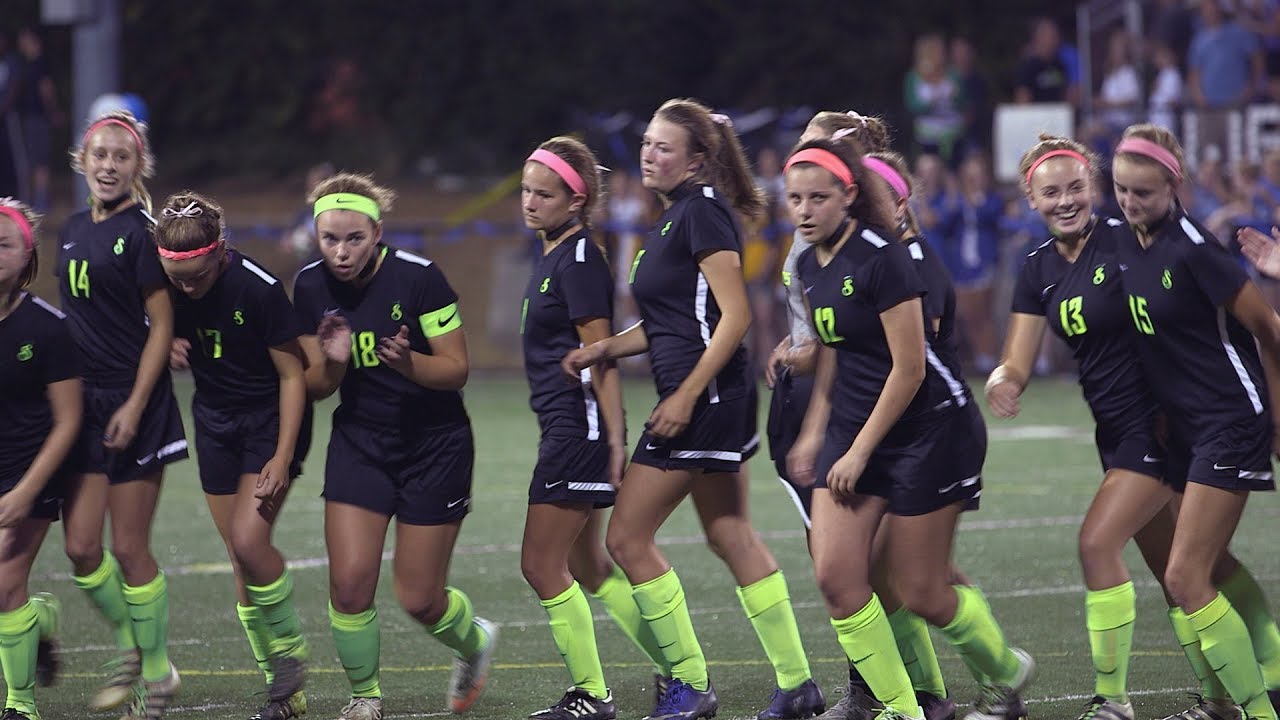
Seton High School on Cincinnati’s west side was the first soccer team chosen to wear a device called a Q-collar.
Kelly Byrne, Seton soccer player: “We were a little nervous at first because we didn’t know what they were going to look like or how they felt but now we are completely used to them and don’t really notice them at all.”
Greg Myer: “So what the collar is designed to do is to put a specific pressure on the jugular vein. And what that’s doing is putting a small kink in the hose, you might say, of the blood leaving the brain. So the carotid keeps pushing the blood up at the same rate, we are slowing it down as it leaves, and what that does is create immediate back fill in the brain or filling up that free expandable space so the brain is less likely to move when exposed to a head impact.”
The particular study focused heavily on sub-concussive impacts, or smaller blows to the head.
Greg Myer: “We really focused on that total load, or how much the brain is exposed to, head movement or sloshing inside.”
The study also included players from a different girls’ soccer team who did not wear the collar.
Players from both teams wore an accelerometer, a computer chip behind the ear, which tracked every hit sustained during practice and games. Girls from both teams also participated in neuro imaging so researchers could then analyze the data.
Greg Myer: “What we look at is does that structure change from a pre to post type season situation.
After reviewing data from a 9 months, the results for players wearing the collar were promising.
Greg Myer: “When the athletes were exposed to head impacts of playing sport, we saw that the collar prevented those micro-structural changes in the brain from pre to post season."
This animation shows the changes in the brain from the two different soccer teams. On the left, the gold color reflects all the changes in brain structure for the team that didn’t wear the collar. As you can see, there’s a considerable difference compared to the team on the right who wore the Q-collar and saw very little change.
Greg Myer: “The good news is what we are measuring is tracking back to normal. So after a three-month period of no head impact exposure the girls' brains tracked back to normal."
More research is already under way with studies continuing in both boys' and girls' sports. These female soccer players were glad to help get the ball rolling.
Caroline Klug, Seton player: “It’s nice to be able to be be a part of such a big study that could make such a huge impact with both girls and boys."
Taylor Pitchford, Seton soccer player: “To be able to say, 'Hey, I was part of the study that helped with that.”'
Greg Myer: "Kids' brains are never as safe as they’ve been, so we need to keep kids in sports and that’s the big message we have to take away from this.”
Повторяем попытку...
Доступные форматы для скачивания:
Скачать видео
-
Информация по загрузке: