Sidney insegna ai bambini il verbo AVERE: TO HAVE ( basic)
Автор: Inglese e Spagnolo in 5 minuti
Загружено: 2017-08-09
Просмотров: 37253
Описание:
Sidney insegna ai bambini il VERBO AVERE: “ TO HAVE”
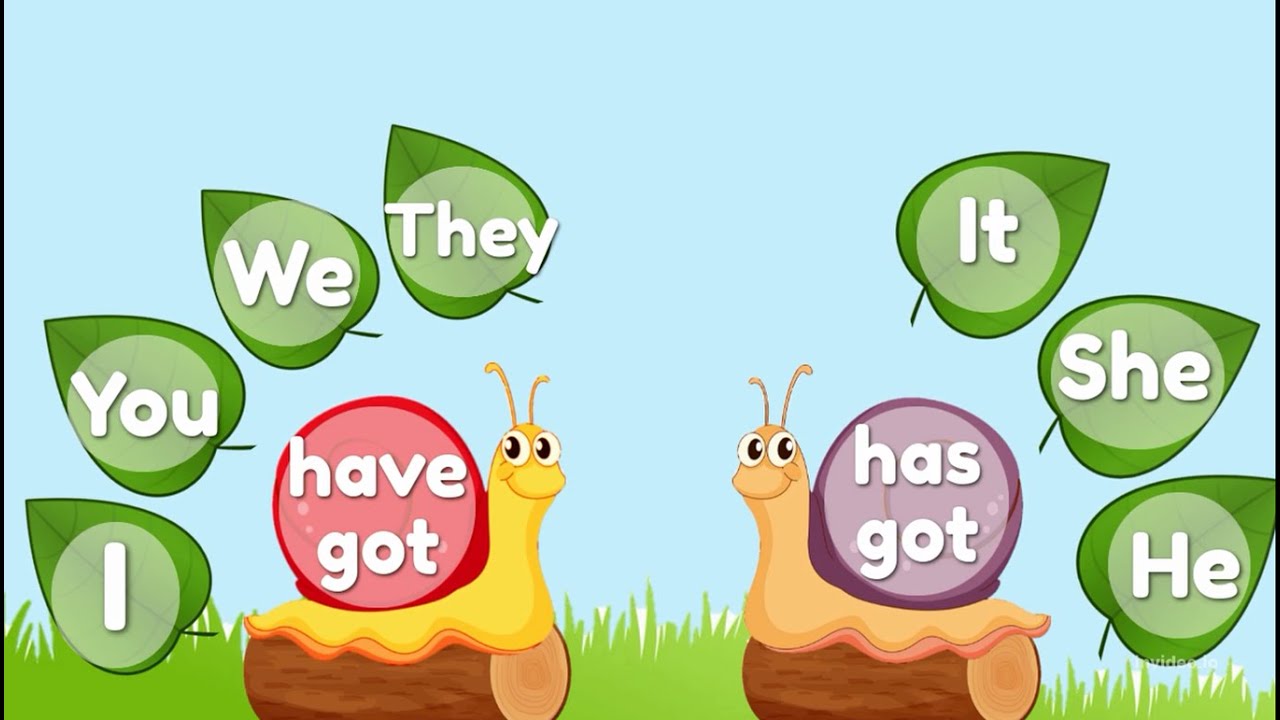
Per indicare possesso in Inglese si usa il verbo AVERE To HAVE e si coniuga in questo modo:
I HAVE
YOU HAVE
HE SHE IT HAS GOT ( forma rafforzativa del possesso)
WE HAVE
YOU HAVE
THEY HAVE
Per la forma negativa dobbiamo come sempre solo aggiungere NOT ed eventualmente creare le forme abbreviate:
I – YOU- WE – YOU – THEY = HAVE NOT / HAVEN’T
HE SHE IT = HAS NOT / HASN’T
Nelle interrogative, quindi, invertiamo soggetto e verbo:
HAVE I YOU WE YOU THEY …..?
HAS SHE HE IT …….?
Il verbo to Have ci serve inoltre per:
Indicare legami di parentela ( fratelli, sorelle, zii, etc..)
Have you got a brother? No, I haven’t. I have got two sisters.
Parlare di caratteristiche fisiche ( capelli ,colore occhi etc..)
We all have curly brown hair in the family.
Jake has got green eyes.
My cat is red but he has got a brown tail.
Disturbi di salute ( ho il raffreddore, la tosse)
What’s the matter with you? Che ti succede?
I am not feeling fine. I’ve got a cold. ( non mi sento bene, ho il raffreddore)
Susan has got a terrible headache. ( mal di testa)
Have you got temperature? Hai la febbre?
Toothache = mal di denti
Stomachache = mal di stomaco
Flue = influenza
Altri esempi:
What kind of car has you brother got?
My brother has got a black car.
I haven’t got any relatives ( parenti) in this town:
They have got the invitation for Mary’s party!!!!
The hotel has got a gym and two swimming pools, but it hasn’ got a disco.
Sidney vi saluta e vi dice di continuare a studiare che le lingue son importanti!!!
Byeeeeeeeee!!!!
Повторяем попытку...
Доступные форматы для скачивания:
Скачать видео
-
Информация по загрузке: