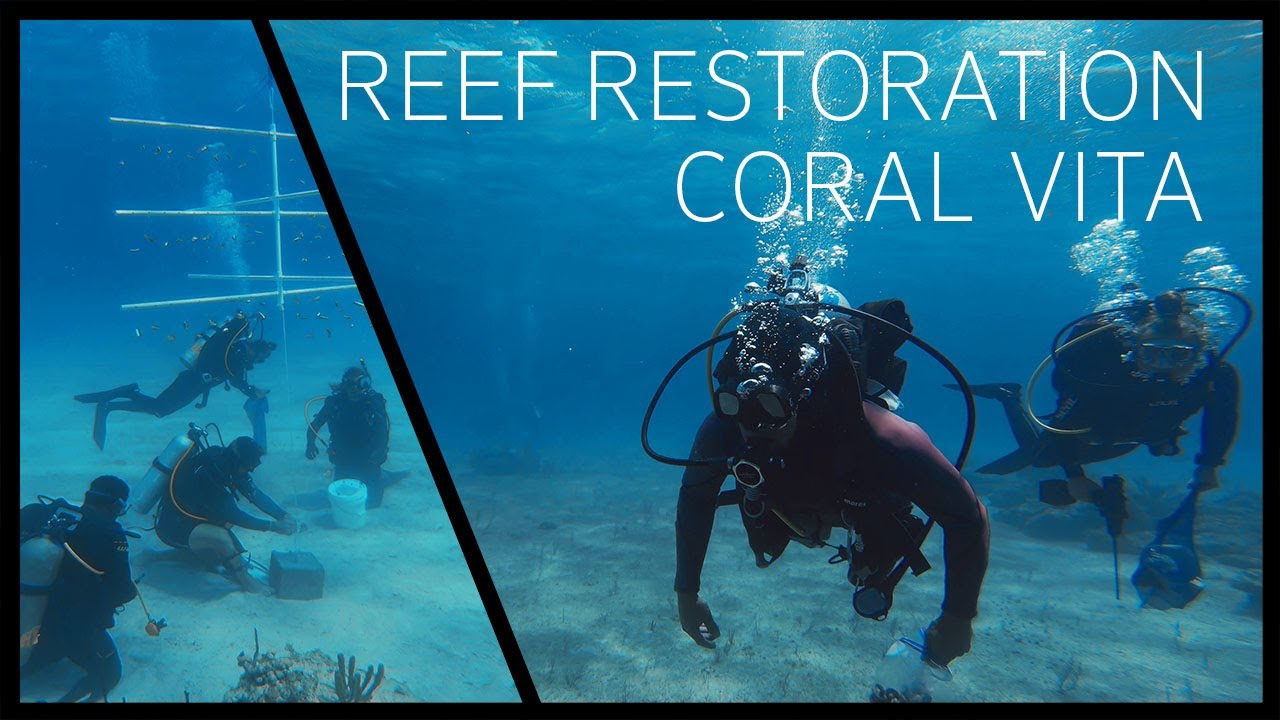
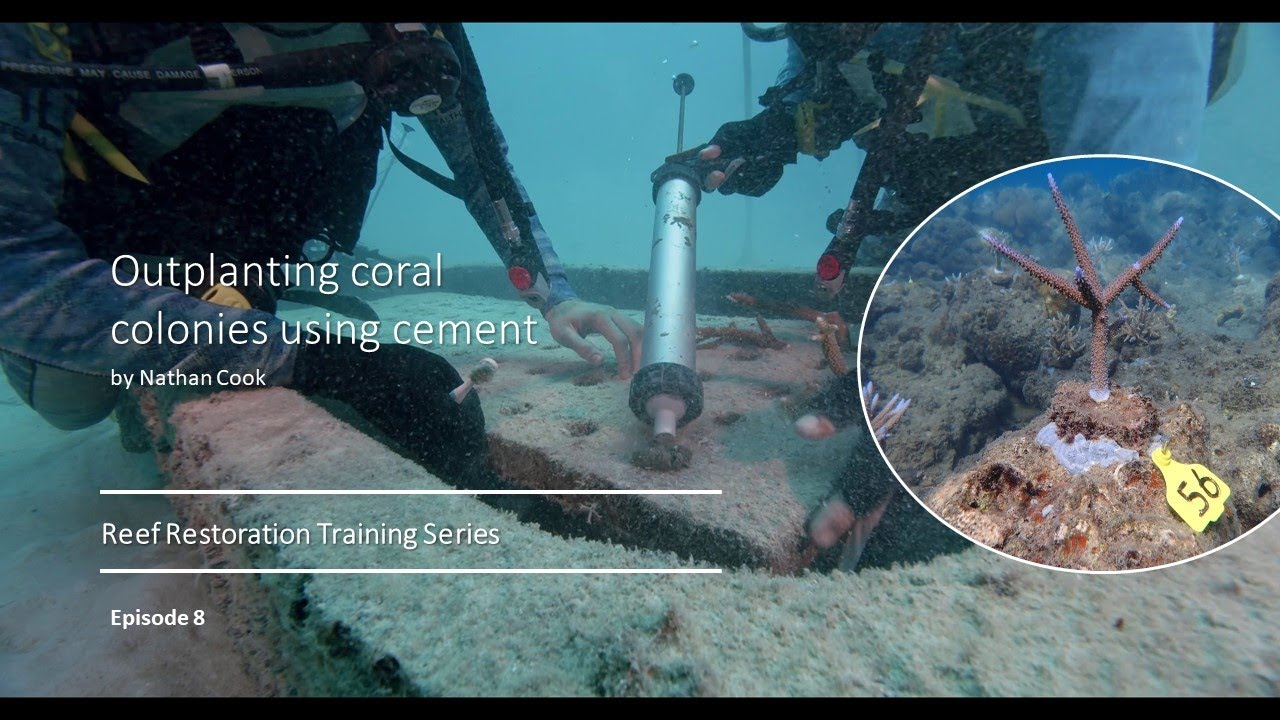
Episode 8 - Reef Restoration Training: Coral Outplanting using Cement
Автор: Reef Resilience Project
Загружено: 2023-03-20
Просмотров: 693
Описание:
Episode 8 - Reef Restoration Training: Coral Outplanting using Cement
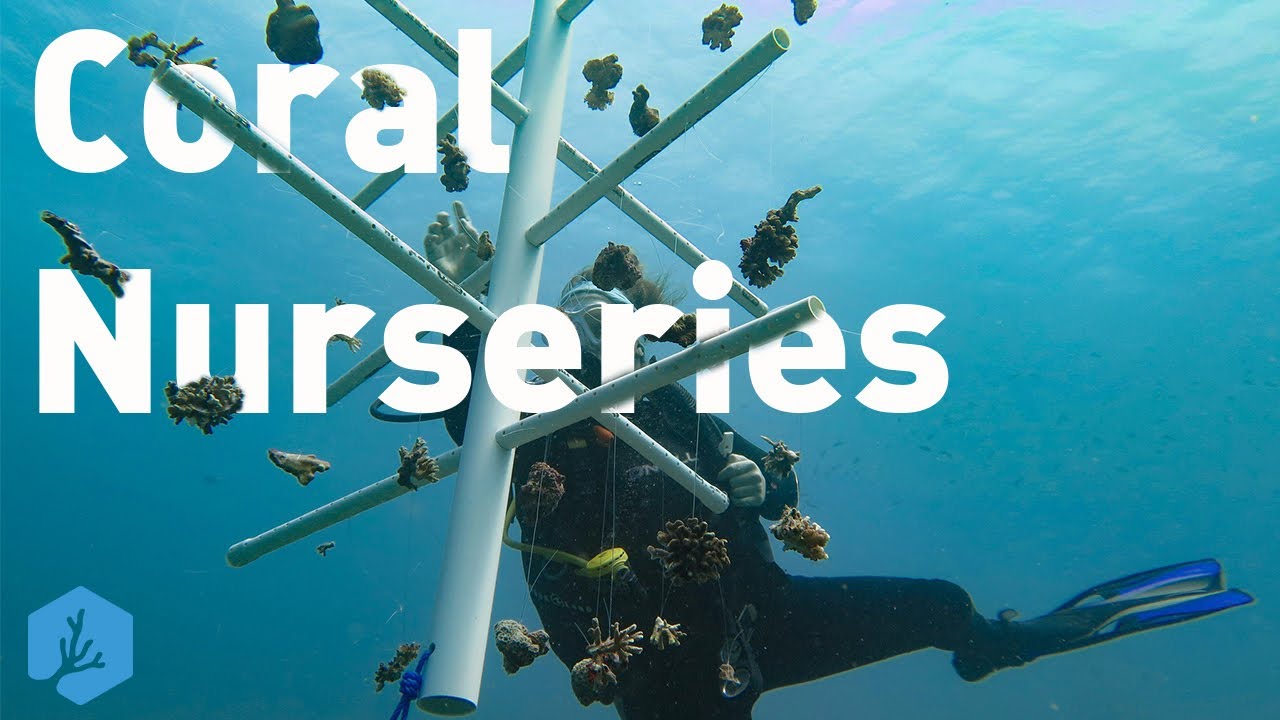
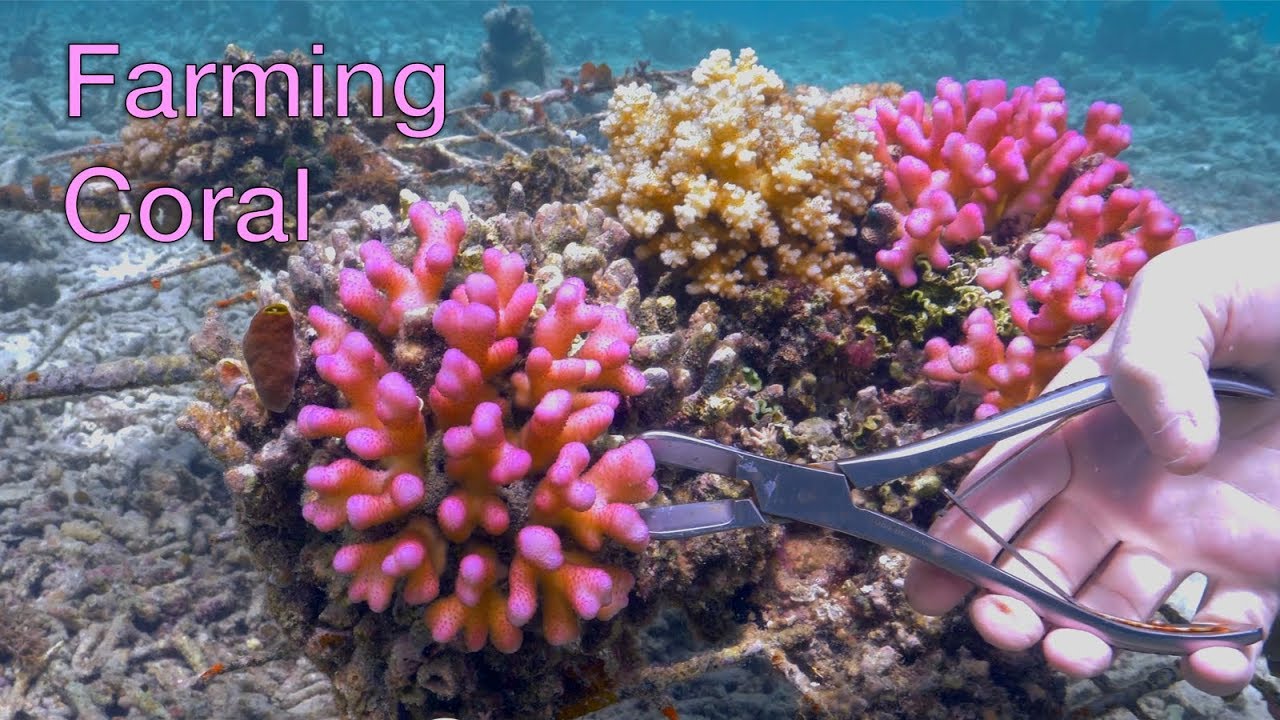
One of the most challenging elements of active coral reef restoration using coral gardening techniques is effective outplanting of coral colonies to natural reef substrates. It is all well and good to grow coral in coral nurseries, but unless you can get corals to grow effectively to become an integral part of the local coral reef community.
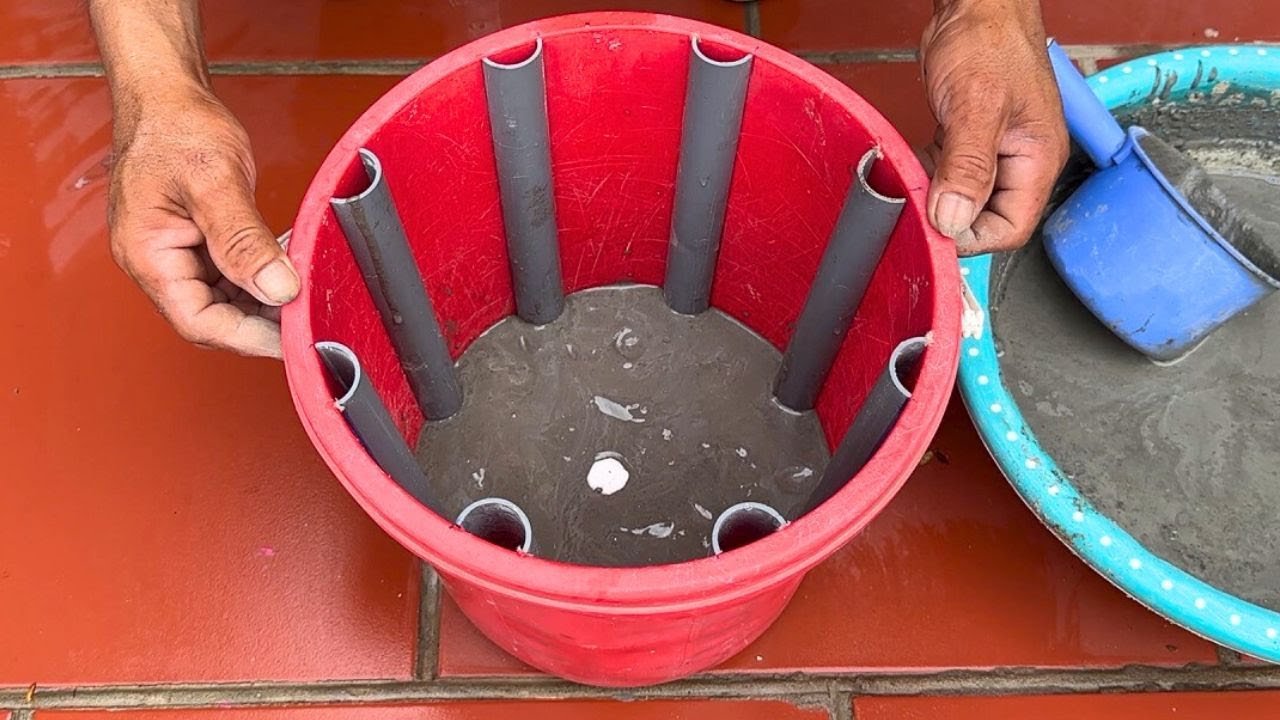
This video demonstrates one method to mix cement for use in coral restoration efforts. Further written instructions can be found in this Google Doc (https://docs.google.com/document/d/1A...)
As noted there are many different mixtures and recommendations. There is no, one absolutely correct method. You need to try different approaches and mixtures and see what is going to work for you in your particular region.
Further instructions can also be found in this Coral reef restoration toolkit from the Seychelles. (http://www.natureseychelles.org/attac....
Transcript
00:00:00 We've already shown you how to get your cement mixture right for use underwater in this video. We're going to explain how to effectively use cement to attach corals to natural substrates.
00:00:14 We are demonstrating using corals propagated on nurseries, So what might be considered traditional coral gardening. But this method can be used for.
00:00:23 Our planning individual coral colonies, both small and large, as well as the coral discs like these demonstrated here.
00:00:33 As noted previously, for example, a 10 to 20 centimetre diameter colony, you might get 15 or more colonies out of this one cocking gun.
00:00:43 But just say you are relocating a large massive coral colony with a diameter of 50 to 100 centimetres. You not might need multiple of these guns.
00:00:55 The first thing to do is to cheque where you want to place your coral. See how it is going to fit and sit on the substrate.
00:01:04 If you can use the contours of the rock and the reef scape to assist and support the coral or potentially create multiple attachment points, this will help the coral to self attach to the reef.
00:01:16 Which is the desired outcome. Once you are happy with the location, prepare the substrate by scrubbing off any turf, algae, and other sediment that may prevent adhesion.
00:01:31 Some people even use a hammer or other solid tool to expose clean limestone underneath. I don't see this as necessary, but you can try it and see if it works for you.
00:01:44 Once you have your coral in place, gently deploy a suitable amount of cement onto the substrate and then place the coral in location, gently twisting and squishing the cement into place.
00:01:58 If you can create additional attachment points to the reef by twisting the coral, this is the time to do it.
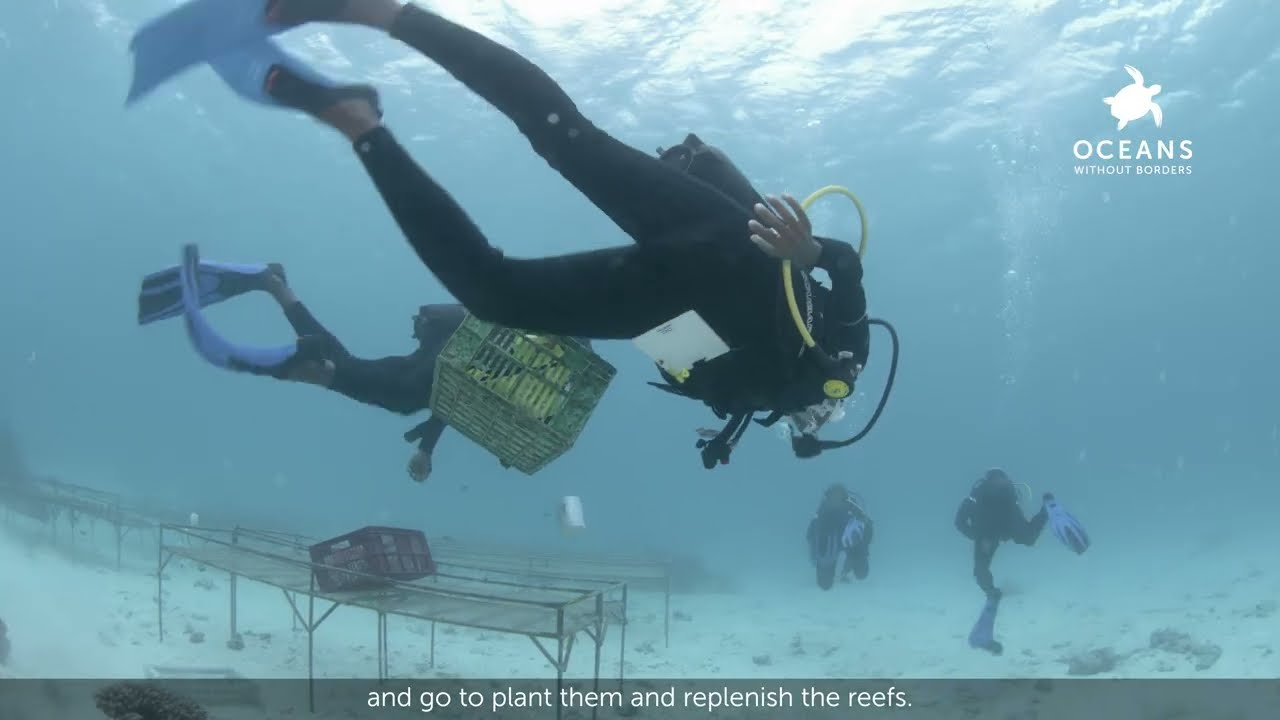
00:02:04 And that should be it. Once you've used all the cement in the gun, you can hand it to your support snorkelers. Who will probably be able to resupply you with another full one to continue your work. It is recommended to clean and rinse the corking gun each time before refilling to ensure it doesn't get clogged up.
00:02:28 One problem we have had was cement getting clogged in the device and breaking the caulking gun.
00:02:35 This occurred because the aperture of the nozzle was too narrow, creating a restriction that compromised the functioning of the device. A good tip is if it starts to get difficult to deploy, don't force it by continually pulling the trigger.
00:02:52 But rather remove the entire end of the caulking gun and continue to deploy the remaining cement through the larger opening. You generally have about 20 to 30 minutes to deploy the cement before it starts to dry and becomes difficult to deploy if it fully solidifies.
In the caulking gun, it's going to be really difficult to get it out. To ensure your deployment has been successful, you should return later that day, or ideally the following day to cheque that the attached corals are secure.
00:03:27 You could bring along some coral clips or marine epoxy to resecure any loose fragments. For instructions on these other methods, lookout for our other instructional videos or links. In the description.
Повторяем попытку...
Доступные форматы для скачивания:
Скачать видео
-
Информация по загрузке: