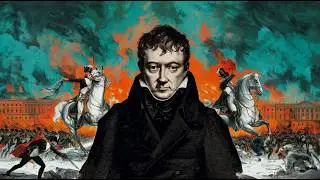
How JP Morgan Used The Panic of 1907 To Force The Federal Reserve On America
Автор: The Finance Friar
Загружено: 2025-12-19
Просмотров: 473
Описание:
J.P. Morgan used the Panic of 1907 to demonstrate that American finance required a central bank, then secretly designed the Federal Reserve at Jekyll Island with six bankers who would control the institution they claimed would regulate them.
--------------------------
TIMESTAMPS:
0:00 Introduction
1:51 Chapter 1: The Panic That Proved Private Power
5:27 Chapter 2: The Library Lock-In
9:14 Chapter 3: The Duck Hunt That Wasn’t
12:43 Chapter 4: The Democratic Disguise
16:33 Chapter 5: The Pattern Complete
--------------------------
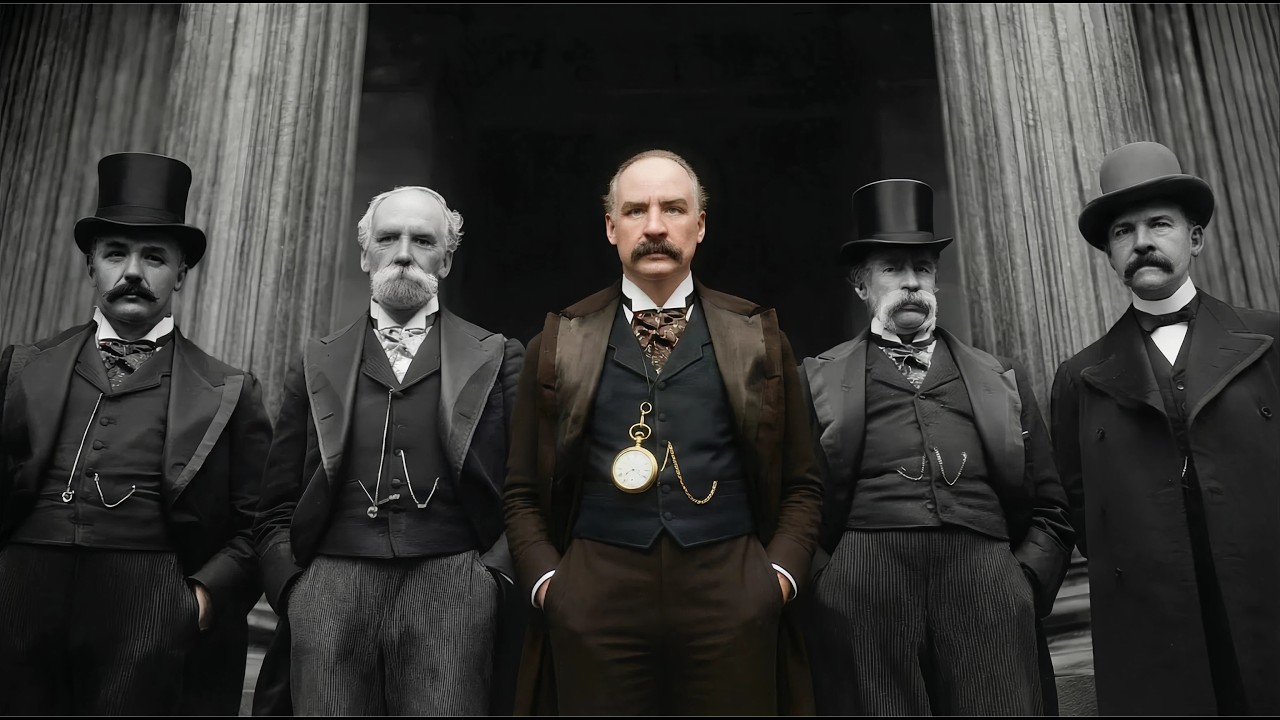
By nineteen oh seven, Morgan controlled American banking through sheer dominance, with his officers holding seats on boards of one hundred twelve corporations worth twenty-two billion five hundred million dollars—nearly eighty-five percent of the entire New York Stock Exchange.
In October nineteen oh seven, F. Augustus Heinze and Charles W. Morse attempted to corner the market on United Copper Company stock, but when their scheme collapsed on October sixteenth, United Copper plummeted from sixty-two dollars to fifteen dollars.
The collapse exposed deep connections between these speculators and major New York trust companies, triggering panic as depositors started pulling their money from any institution connected to the failed speculators.
On October twenty-second, panicked crowds lined up outside Knickerbocker Trust, and Morgan arrived at his library to personally audit Knickerbocker's books, appointing an investigative committee that included Benjamin Strong from Bankers Trust.
Morgan could have organized a rescue syndicate like he'd done during the eighteen ninety-three panic, but instead he declared Knickerbocker's capital impaired and declined to participate in any rescue, refusing to even meet with Charles Barney.
On October twenty-fifth, as stock brokers faced imminent insolvency, Morgan summoned the city's leading bankers to his private library at two hundred nineteen Madison Avenue and locked the doors, refusing to let them leave until they collectively pledged twenty-five million dollars.
Senator Nelson Aldrich of Rhode Island captured the political imperative: something has got to be done because we may not always have Pierpont Morgan with us to meet a banking crisis.
On November twenty-second, nineteen ten, six men gathered at the New Jersey railroad terminal in Hoboken carrying hunting rifles and sporting gear, traveling under assumed names to Jekyll Island off Georgia.
Senator Nelson W. Aldrich brought political legitimacy, Henry P. Davison represented J.P. Morgan and Company, Frank A. Vanderlip represented Rockefeller interests, Benjamin Strong Junior was Morgan's technical expert, and Paul M. Warburg provided banking expertise.
For nine continuous days from November twentieth through thirtieth including Thanksgiving, these seven men worked in complete isolation hammering out a blueprint for the National Reserve Association with fifteen regional branches.
The Jekyll Island meeting remained one of the best-kept secrets in American political history until nineteen thirty, with Vanderlip later admitting that if the public had known their group had written a banking bill, it would have had no chance of passage.
When Democrats captured the White House and Congress in nineteen twelve with Woodrow Wilson's victory, the Aldrich Plan appeared politically dead, yet within two years Democrats enacted legislation with virtually identical outcomes simply repackaged in Democratic clothing.
The Glass-Owen Bill created the appearance of centralized government control while regional Federal Reserve Banks retained actual power over credit and monetary policy, with Paul M. Warburg appointed to the Board itself from August nineteen fourteen until August nineteen eighteen.
Benjamin Strong's appointment as Governor of the Federal Reserve Bank of New York in October nineteen fourteen meant the man present at Jekyll Island representing Morgan interests would effectively control monetary policy for the entire Federal Reserve System until his death in October nineteen twenty-eight.
The Federal Reserve Act signed into law on December twenty-third, nineteen thirteen, represented not the defeat of banker influence but its transformation into permanent institutional form that no longer required Morgan's personal intervention.
Повторяем попытку...
Доступные форматы для скачивания:
Скачать видео
-
Информация по загрузке: