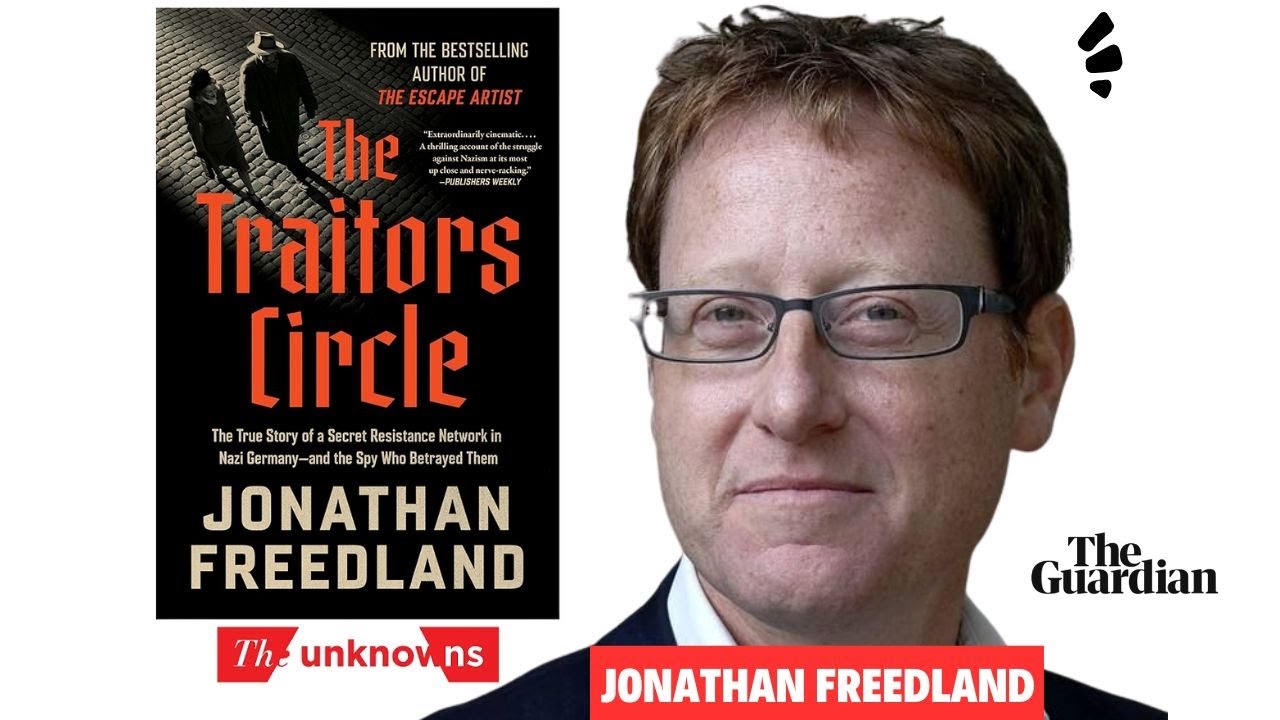
Jonathan Freedland: The Traitor's Circle, A Blueprint for Today's Resistance
Автор: The Unknowns
Загружено: 2025-11-10
Просмотров: 7450
Описание:
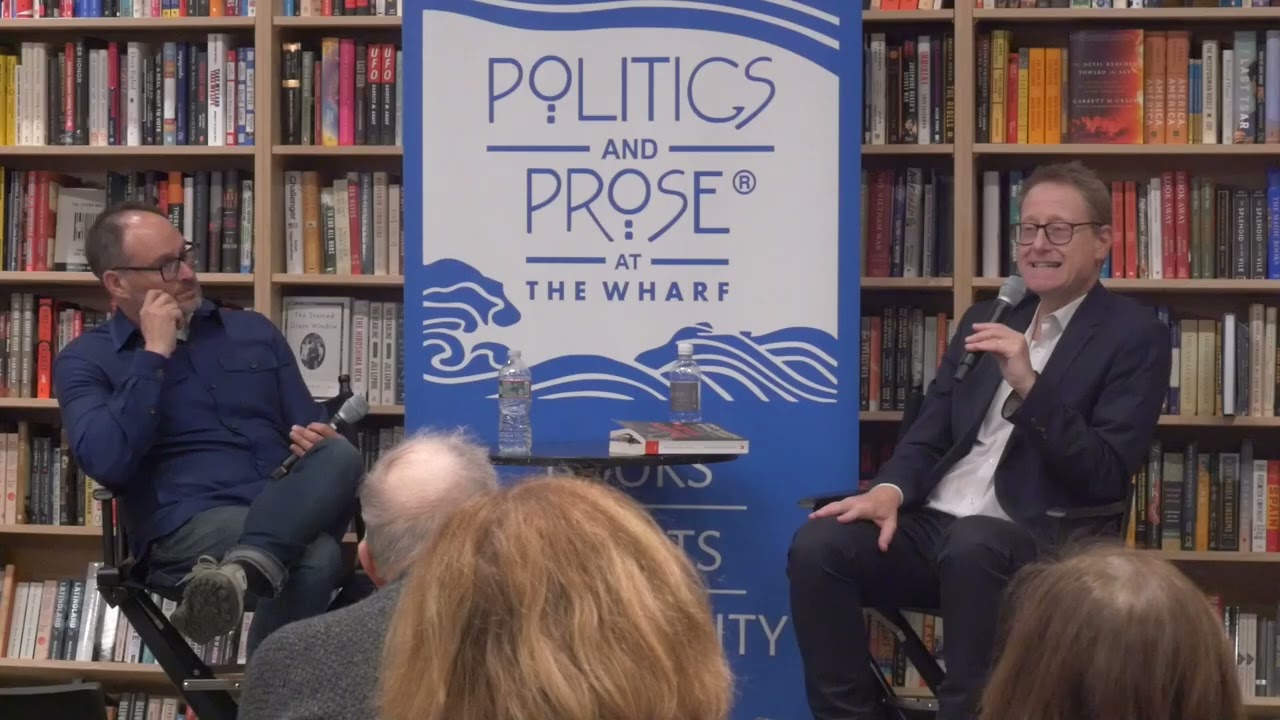
In this episode of The Unknowns, host Charlie Stone interviews Jonathan Freedland, a Guardian columnist, award-winning broadcaster, and author of bestsellers like The Escape Artist. The discussion centers on Freedland's latest non-fiction book,The Traitors Circle, a true story of Nazi-era resistance framed as a thriller-like whodunit. The conversation explores themes of bravery, betrayal, and moral dilemmas, drawing historical lessons for contemporary authoritarianism.
The Traitors Circle recounts the real-life story of an elite circle of high-society Germans—aristocrats, diplomats, a former model, a doctor, and a headmistress—who covertly opposed Hitler from 1933 to 1944. Despite their privileged lives of country estates, opera nights, and embassy balls, they engaged in acts of defiance. The narrative culminates at a fateful September 1943 tea party where they shared resistance strategies, unaware that one attendee would betray the group to the Gestapo, leading to arrests.
Freedland was drawn to the story after his previous book, The Escape Artist, which delved into the horrors of Auschwitz through the tale of a Jewish escapee. Seeking balance, he shifted focus to humanity's "best" qualities: selfless courage with no personal gain, only immense risk. Other readers, including journalist Tina Brown, have praised it as prescient, referencing the political battles in America today.
Freedland identifies archetypes of resistors:
Higher Authority: Many drew strength from a moral compass above the regime—often God or Jesus Christ—prioritizing judgment by a divine "maker" over Gestapo threats. Others rooted themselves in a "deeper Germany" that would outlast Nazism.
Urgency: They acted swiftly, rejecting delays like hoping "reality" (e.g., markets or "grown-ups") would restrain Hitler. Procrastination proved fatal.
Small, collective acts mattered profoundly. Freedland shares the story of a young countess who carried heavy shopping bags to avoid the Hitler salute—a minor gesture that, if widespread, could erode Nazi norms. He argues mass movements like rallies collapse without universal participation; one refusal inspires others.
The book contrasts resistors with the compliant majority, who prioritized family, jobs, and homes amid fear of loss—making the elites' risks even more admirable. Betrayers, including the tea party's informant (revealed in a whodunit style), were motivated by:
Status and Purpose: Rewards like Gestapo codenames and a sense of "building history."
Petty Gains: Avoiding frontline duty, financial perks (e.g., free meals), or travel.
Self-Preservation: Some former resisters cracked under pressure, informing to deflect accusations (e.g., hiding Jews).
Freedland avoids comparing Trump to Hitler but highlights universal authoritarian patterns--seen in Hungary (Orban) or Turkey (Erdogan)--where dictators persecute other societal authorities like the media, courts and universities to maximize power.
Recent Democratic victories signal resistance but worry Freedland. They succeeded via tailored, "kitchen table" messaging (e.g., affordability in Virginia vs. youth mobilization in New York), yet lack a unified anti-Trump narrative. Focusing solely on economics risks sidelining democracy's threat. Perhaps "fight fire with fire" is needed. He anticipates Trump's backlash against these losses, fearing midterm implications for House control.
If Democrats regain the White House, Freedland and Stone discuss a possible "vicious cycle": Trump's expanded presidential powers (unchecked by Congress or the Supreme Court) could prompt retribution, accelerating "democratic backsliding." Examples include Biden's preemptive pardons and Newsom's gerrymandering response to Texas—defensive yet still debasing constitutional norms.
Breaking this cycle may require a "Mandela-like" President to seek reconciliation while limiting presidential powers and restoring democratic guardrails—a rare, selfless and unlikely act. Freedland quipped "...it was bad when the other guys did it. But now that I'm in this chair, I quite like it."
The Traitors Circle by Jonathan Freedland: https://tinyurl.com/4fb8w84m
Keywords: Jonathan Freedland, Charlie Stone, Guardian, Donald Trump, presidential power, resistance
Повторяем попытку...
Доступные форматы для скачивания:
Скачать видео
-
Информация по загрузке: