Empusa pennata: The Rare and Enigmatic Conehead Mantis
Автор: V3
Загружено: 2025-04-11
Просмотров: 496
Описание:
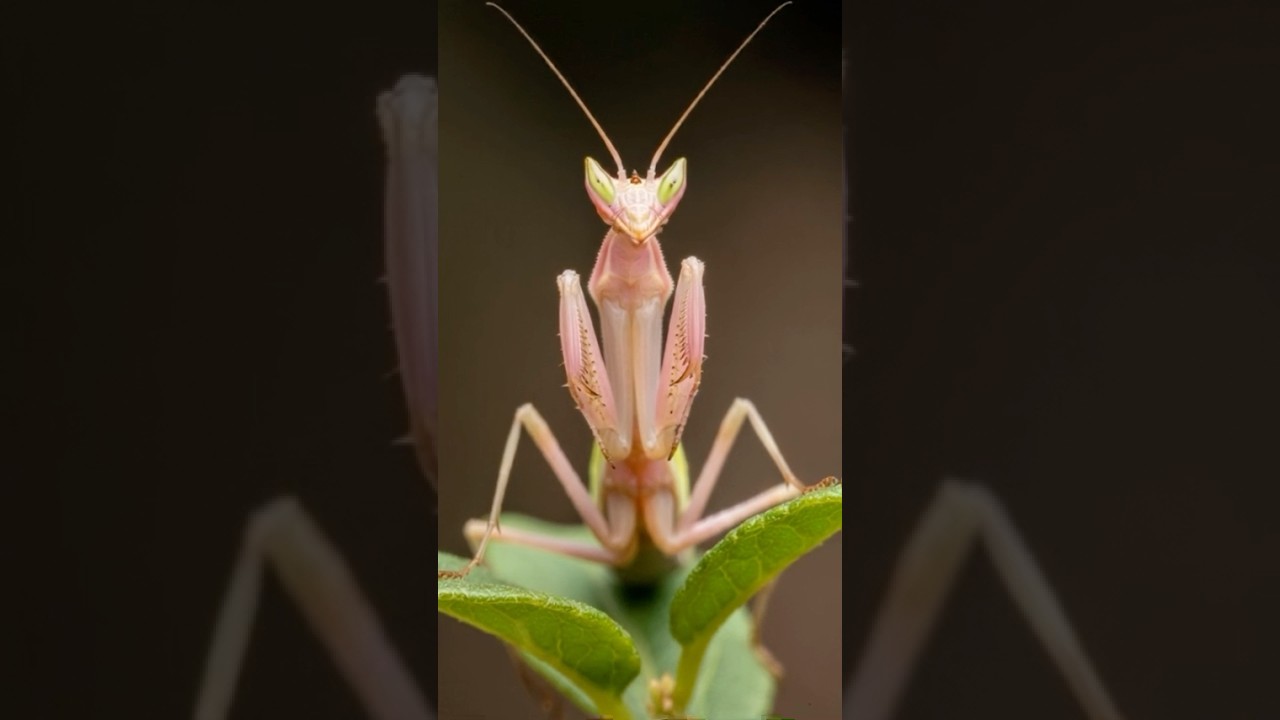
The **Empusa pennata**, commonly known as the **Conehead Mantis**, is a rare and fascinating species of praying mantis native to the Mediterranean region. Its range spans countries like Portugal, Spain, southern France, Italy, and the Mediterranean coasts of Morocco, Algeria, Tunisia, Libya, and Egypt. This insect is celebrated for its unique appearance and cryptic behavior, making it a marvel of nature and a subject of intrigue for entomologists and nature enthusiasts alike.
One of the most striking features of the Conehead Mantis is its *alien-like appearance**, characterized by a tall, crown-like protrusion on its head. This distinctive feature, present in both males and females, gives the species an otherworldly charm. The mantis has a slender body, long legs, and delicate wings, which contribute to its elegant and ethereal look. Males are typically slimmer and possess feathery antennae, while females are larger and more robust, often growing up to **10 cm* in length.
The Conehead Mantis thrives in **dry, warm environments**, such as shrublands and areas with perennial herbs. Its cryptic coloration, which ranges from greens and pinks to various shades of brown, allows it to blend seamlessly into its surroundings. This camouflage is not only a defense mechanism against predators but also an effective strategy for ambushing prey. The mantis is a skilled hunter, relying on its excellent vision and swift reflexes to capture live prey. It uses its raptorial forelegs to grasp and consume prey immediately after capture, demonstrating remarkable precision and efficiency.
Despite its fascinating traits, the Conehead Mantis is rarely encountered in the wild. This rarity is attributed to its fragmented populations and low density, making it a prized sight for those lucky enough to observe it. The species is nocturnal and employs a variety of signals—chemical, acoustic, and visual—to locate mates. One of its unique adaptations is the release of sex pheromones during the night, a strategy derived from sexual selection to overcome the challenges of nocturnal mating.
The lifecycle of the Conehead Mantis is equally intriguing. It overwinters as a nymph and reaches adulthood by spring. Its eggs develop quickly, especially during the summer months, ensuring the continuation of the species in its preferred habitats. However, these habitats are increasingly under threat due to human activities, highlighting the need for conservation efforts to protect this remarkable insect and its ecosystem.
The *Empusa pennata* is a testament to the wonders of nature, combining beauty, mystery, and adaptability. Its rarity and unique features make it a symbol of resilience and a reminder of the delicate balance of ecosystems. Whether admired for its alien-like appearance or studied for its ecological significance, the Conehead Mantis continues to captivate and inspire those who encounter it.
Повторяем попытку...
Доступные форматы для скачивания:
Скачать видео
-
Информация по загрузке: