PRAISING THE DIETY VAJRAYOGINI ~ The Gyuto Monks : Highest Yoga Tantra Chants Meditation Melt Mix
Автор: Om Vajrapani Hum
Загружено: 2025-08-28
Просмотров: 1764
Описание:
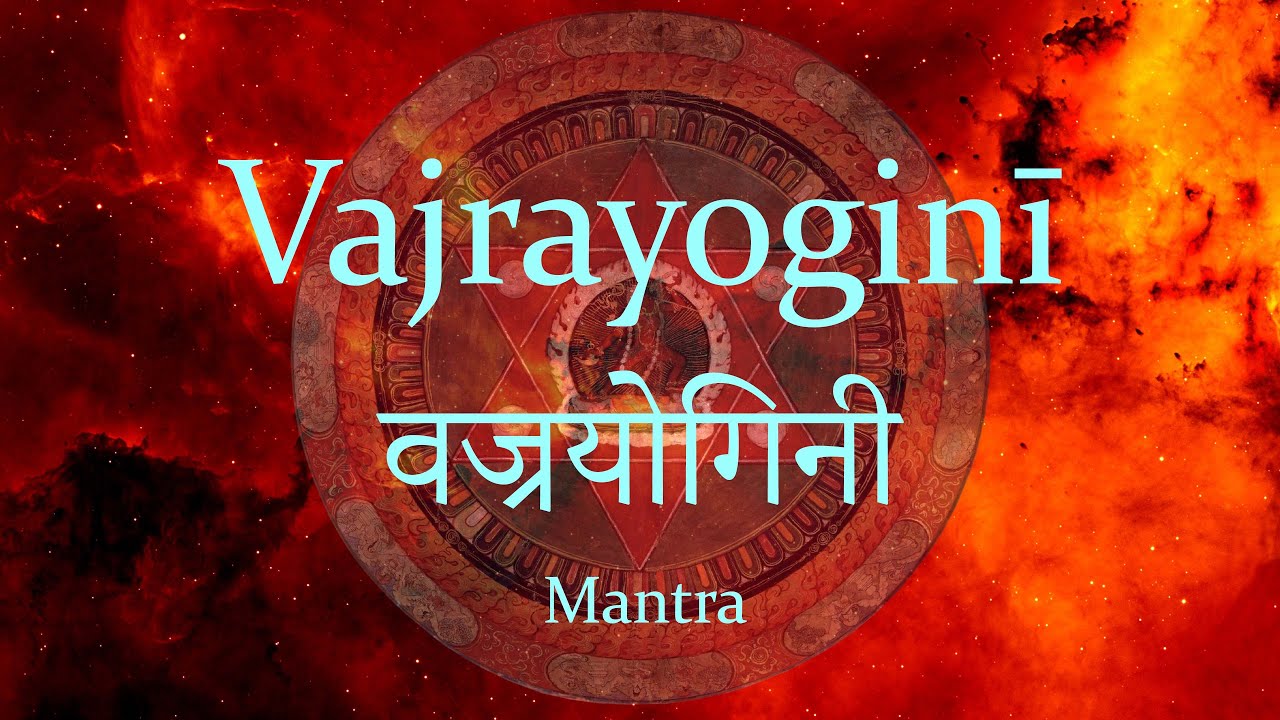
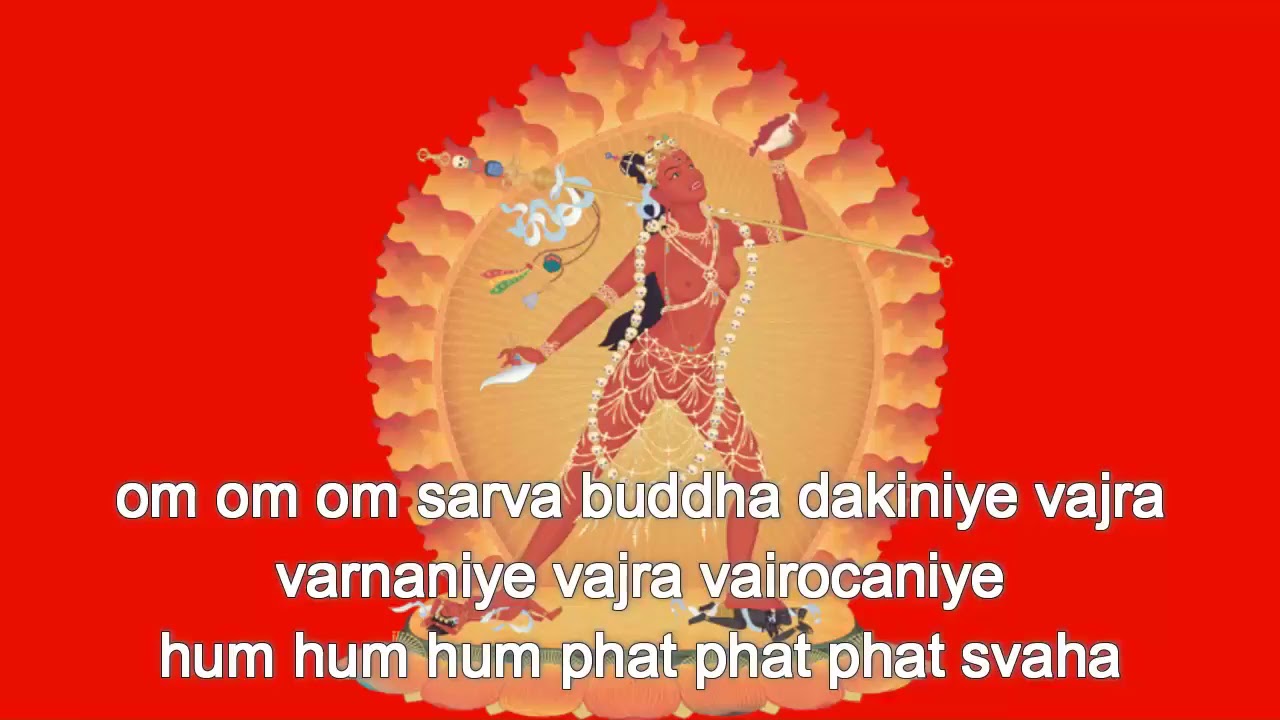
Vajrayogini is a prominent tantric Buddhist deity, often described as a female Buddha and a dakini ("sky dancer"), who represents the path to female buddhahood. Her essence is "great passion" that is pure and free of ego, which she uses to destroy illusions and help others achieve enlightenment. She is typically depicted with a fierce yet blissful demeanor, holding a curved knife to sever worldly attachments and a skull cup filled with blood, symbolizing her experience of the clear light of bliss. Her form and attributes are rich with symbolism, conveying a path to rapid spiritual transformation, making her a key figure in advanced Tibetan Buddhist practices.
Praising the deity Vajrayogini is a significant practice within Tibetan Buddhism, particularly in the context of the Highest Yoga Tantra. It's not a casual act of admiration, but a deeply meaningful and transformative spiritual practice. Here's a breakdown of what is involved:
The central purpose of praising Vajrayogini is to connect with her enlightened qualities and, through that connection, to swiftly purify one's own mind and attain enlightenment. Vajrayogini is considered the "Queen Dakini" who embodies the ultimate wisdom of all Buddhas. By praising her, practitioners seek to:
Cut delusions and obstacles: Vajrayogini is often depicted with a curved knife, symbolizing the cutting of attachments, ego, and the root of suffering. Praises are a way of asking for this spiritual severance.
Accumulate merit: Praising Vajrayogini is said to be an extremely powerful way to accumulate merit, as it is equivalent to praising all the Buddhas of the past, present, and future. This is because she embodies all of their enlightened qualities.
Receive blessings: The act of praise, especially when done with sincere devotion, is believed to bring practitioners closer to the deity and her pure land (Khechara), creating a powerful karmic connection.
Transform one's perception: A key aspect is the practice of viewing all beings and objects as pure emanations of Heruka and Vajrayogini. This practice helps to purify ordinary appearances and helps the practitioner to quickly attain the pure land.
Praising Vajrayogini involves a combination of different elements:
Recitation of Praises: There are specific verses of praise, often in Sanskrit or Tibetan, that are recited. One of the most well-known is the "Eight Lines of Praise to Vajravarahi / Vajrayogini." These praises are not just poetic verses; each line has a profound meaning, asking the deity to cut specific obstacles or acknowledging a particular enlightened quality.
Mantra Recitation: The recitation of her mantra, such as "OM OM OM SARVA BUDDHA DAKINIYE VAJRA VARNANIYE VAJRA VAIROCANIYE HUM HUM HUM PHAT PHAT PHAT SVAHA," is a central part of her practice. The mantra encapsulates her essence and power.
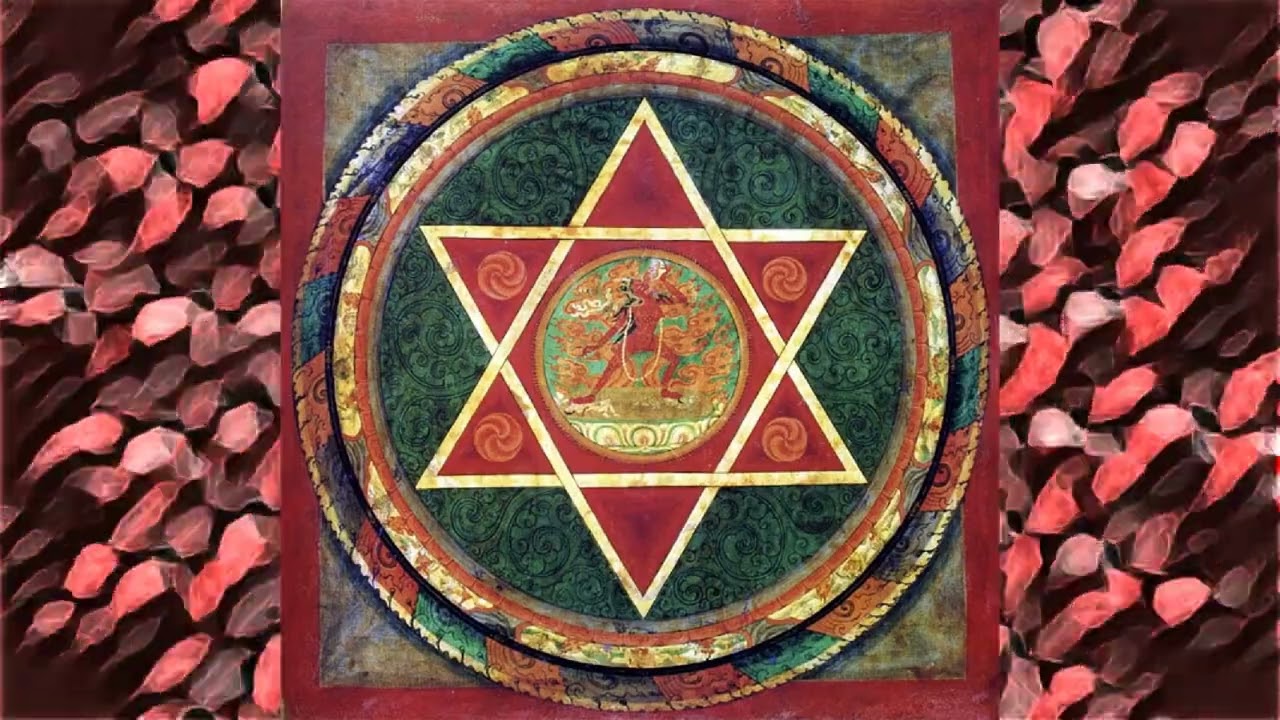
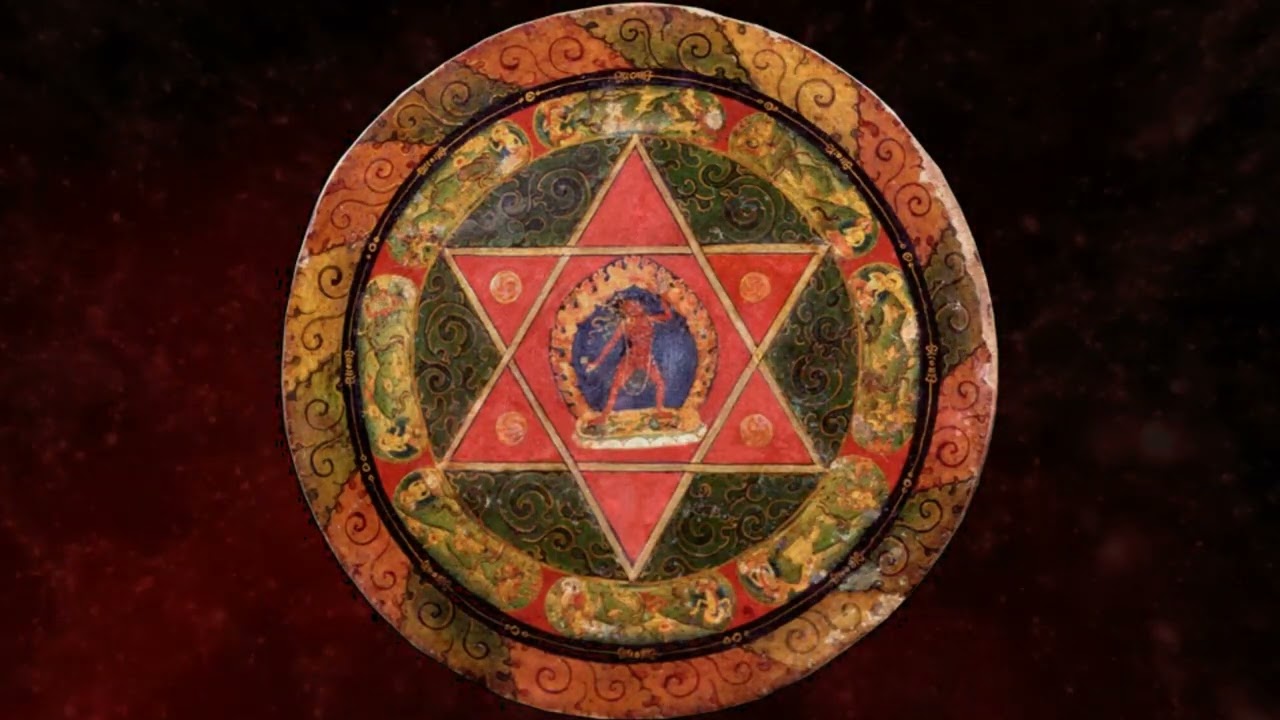
Visualization: Practitioners visualize Vajrayogini, her pure land, and the entire mandala. This includes visualizing her appearance (one face, two hands, holding a curved knife and a skull cup, dancing), her ornaments (bone ornaments), and her attendants. The visualization is a way to embody the deity's qualities and to dissolve one's ordinary sense of self.
Devotion and Supplication: Praising Vajrayogini involves a deep sense of devotion, recognizing her as the embodiment of all enlightened qualities and a swift path to liberation. Practitioners supplicate her to guide them, protect them, and help them overcome obstacles on their spiritual path.
Making Offerings: Offerings, both physical (such as food, water, light) and mental (such as the offering of one's own body, speech, and mind, and the dedication of merit), are made as a sign of respect and to accumulate merit.
It's important to note that the full and formal practice of Vajrayogini, which includes extensive praises and rituals, is part of the Highest Yoga Tantra. This level of practice generally requires:
Initiation and Guidance from a Guru: The guidance of a qualified teacher is considered essential for correct practice and to avoid misunderstandings or potential dangers.
Commitment to Samaya: Practitioners must maintain their tantric commitments (samaya), which are vows taken at the time of initiation.
However, some praises and prayers, like certain recitations of the "Eight Lines of Praise," may be practiced by those without a formal initiation, though it is always recommended to seek guidance from a qualified teacher. These practices are considered a way to create a connection and establish a basis for future, more formal practice.
In essence, praising Vajrayogini is a comprehensive spiritual practice that involves not just words, but also a deep understanding of her enlightened nature, dedicated recitation, visualization, and a sincere commitment to the path of transformation she represents.
~~~
May all beings benefit.
Повторяем попытку...
Доступные форматы для скачивания:
Скачать видео
-
Информация по загрузке: