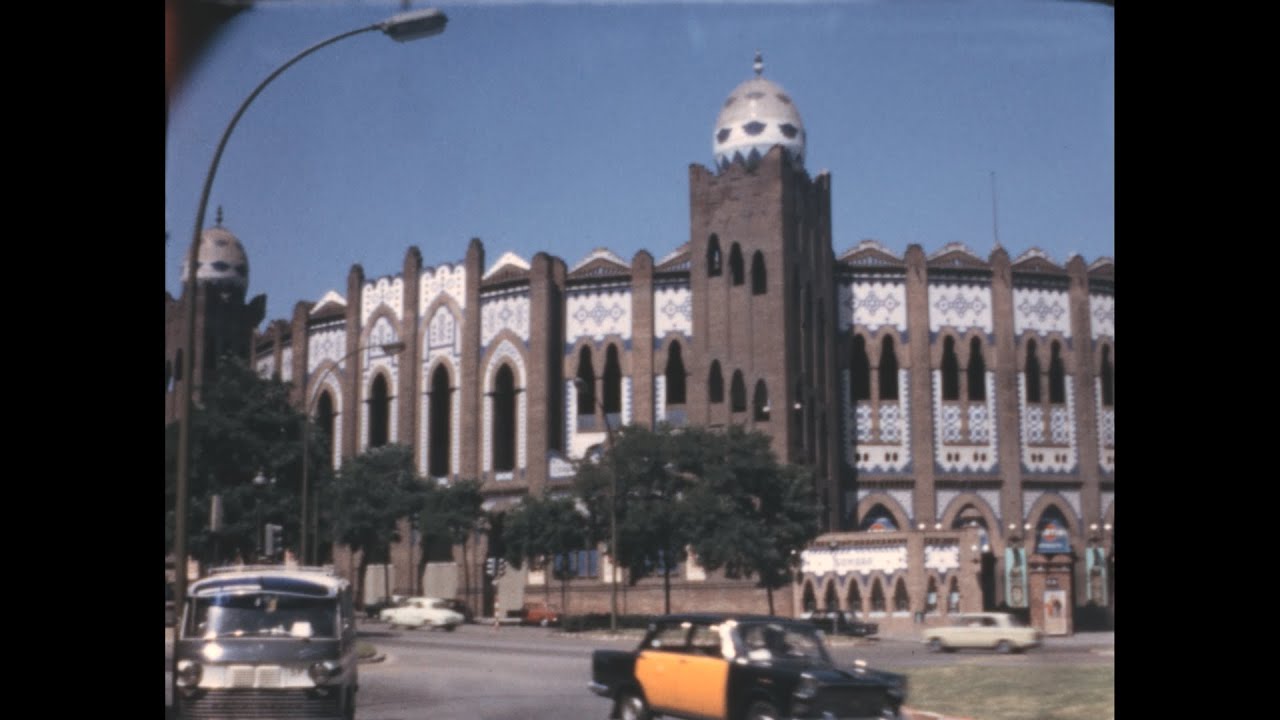
Barcelona, Spain. circa 1979
Автор: Mackenzie Rough
Загружено: 2022-11-25
Просмотров: 433
Описание:
A visit to Barcelona, seeing the city, gardens, Cable car, La Sagrada Familia Temple, a visit to the greyhound races and much more.
Barcelona, the cosmopolitan capital of Spain’s Catalonia region, is known for its art and architecture. The fantastical Sagrada Família church and other modernist landmarks designed by Antoni Gaudí dot the city. Museu Picasso and Fundació Joan Miró feature modern art by their namesakes. City history museum MUHBA, includes several Roman archaeological sites.
The Basílica i Temple Expiatori de la Sagrada Família, is a church in the Eixample district of Barcelona, Catalonia, Spain, and is currently the largest unfinished Catholic church in the world. Designed by the Catalan architect Antoni Gaudí, his work on Sagrada Família is part of a UNESCO World Heritage Site.
Meridiana Greyhound Track building was built in 1963 according to the project of the architects Antoni Bonet Castellana and Josep Puig Torné, obtaining the FAD prize the following year.
Barcelona City Council acquired the property of the greyhound track building to destine it to public use, starting from October 2006, a lengthy process to decide its new use with the active participation of neighbourhood associations in the immediate environment. The lack of use and maintenance since the end of the activity so far has made his condition has further deteriorated.
The goal of rehabilitation is to preserve the original building built under the direction of Bonet Castellana and Puig Torné architects, to transform this space into a dynamic agent of the emerging creative proposals in the city, connecting creative talent and innovation capacity of the cultural industry with the business and entrepreneurship.
The objective of Phase 3 of the rehabilitation and transformation of the spaces of the greyhound track building is to be reconverted to change the old art centre use by the incubator of innovative companies with a creative component, and adapt the building to the current regulations completing all those constructive aspects, installations and use, not completed in previous phases. In addition, the building architectural barriers are removed to enable the reception of new uses.
Повторяем попытку...

Доступные форматы для скачивания:
Скачать видео
-
Информация по загрузке: