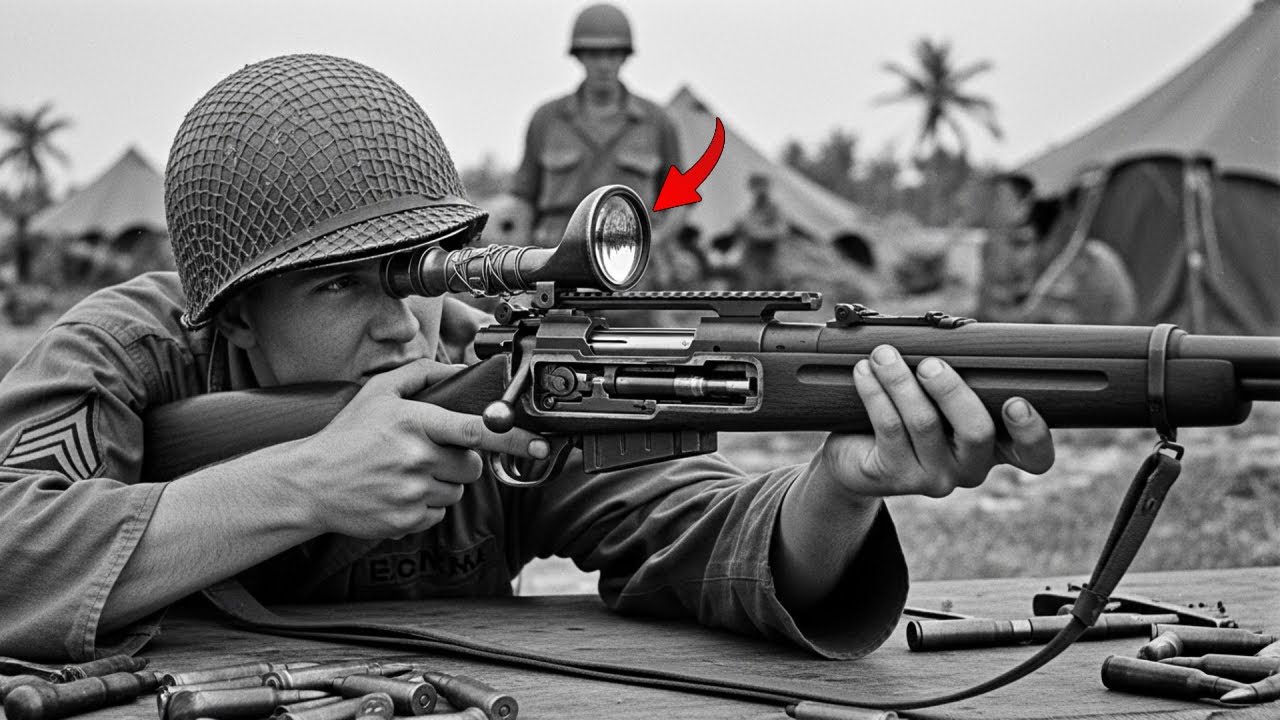
The Aircraft That Turned the Tide in the Pacific
Автор: HISTORY is HIStory
Загружено: 2026-02-27
Просмотров: 217
Описание:
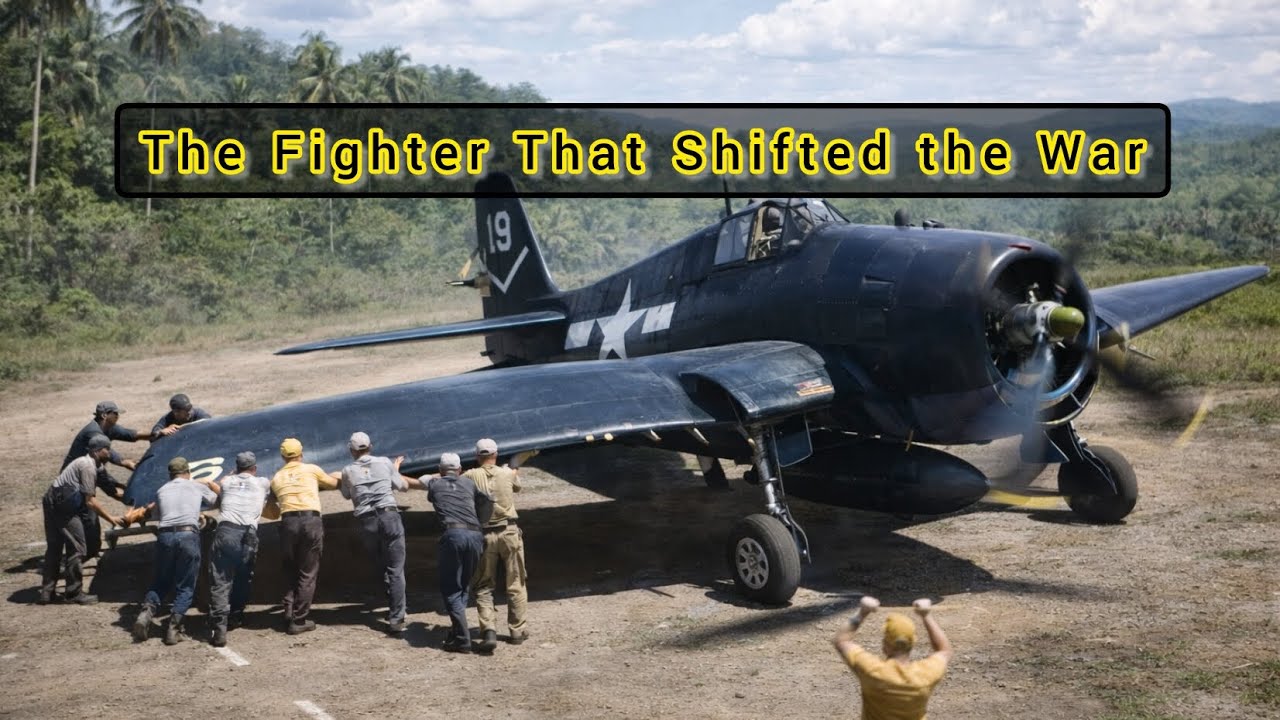
This documentary explores the transformation of air power in the Pacific Theater during World War II, focusing on the rise of the F6F Hellcat and its impact on Japanese naval aviation.
For nearly two years, the Mitsubishi A6M Zero symbolized Japanese air superiority. Lightweight, agile, and flown by highly trained pilots, it dominated early Pacific battles. However, by 1943 the balance began to shift with the arrival of the American F6F Hellcat — a carrier-based fighter built around durability, firepower, radar coordination, and industrial-scale production.
Rather than relying purely on maneuverability, the Hellcat was designed as part of a larger combat system that included radar-guided interception, advanced pilot training programs, and large-scale manufacturing capability. This shift in philosophy played a critical role in major engagements such as the Battle of the Philippine Sea and the later Pacific campaigns.
In this video, we examine:
• The design philosophy behind the Zero and the Hellcat
• Radar-directed fighter control and energy tactics
• Pilot training differences between Japan and the United States
• Industrial production and aircraft manufacturing scale
• How systems integration changed modern aerial warfare
This is not just the story of two aircraft — it is the story of how technology, logistics, and strategy reshaped naval aviation in World War II.
If you enjoy detailed World War II aviation history, military aviation analysis, and documentary-style breakdowns of historic air battles, subscribe for more in-depth content.
F6F Hellcat
Mitsubishi Zero
Pacific War aviation
World War 2 aircraft
Naval air battles
Battle of Philippine Sea
WW2 documentary
Carrier warfare
Military aviation history
US Navy fighters
Повторяем попытку...
Доступные форматы для скачивания:
Скачать видео
-
Информация по загрузке: