Texas Law Regarding Workplace Video Surveillance
Автор: Dyezz Surveillance and Security Inc
Загружено: 2026-02-26
Просмотров: 1
Описание:
ORIGINALLY POSTED IN JANUARY 2023, UPDATED FOR 2026
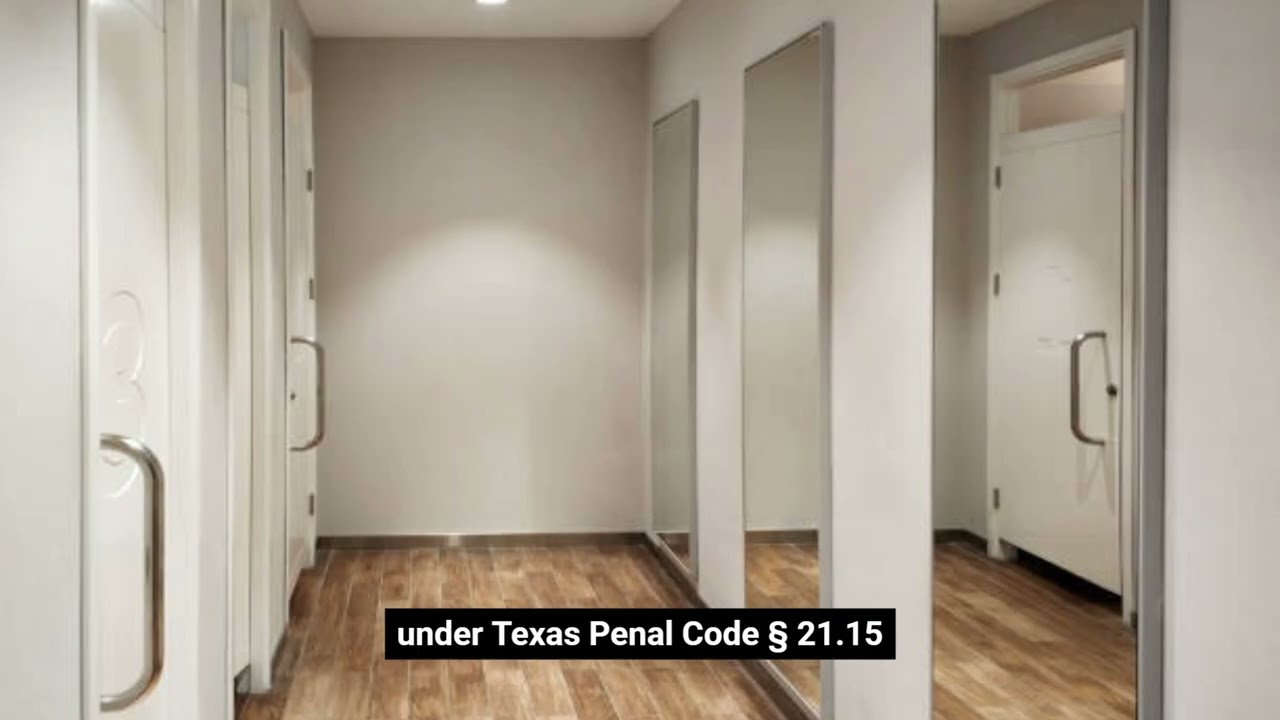
Texas Law On Video Recording In The Workplace. In Texas workplaces in 2026, video-only surveillance is generally allowed without consent in non-private areas, but adding audio triggers one party consent wiretap rules and stricter notice and policy requirements. Employers must also avoid “invasive visual recording” in private spaces like bathrooms and dressing rooms, which is a serious criminal offense under Texas Penal Code § 21.15 and now carries enhanced consequences.
Are Employers Allowed to Use Video Surveillance in the Workplace?
Short answer: Yes, but only in the right places and with the right safeguards.
A high quality video surveillance system is a legitimate tool to reduce internal theft, deter external threats, and document incidents in Texas businesses of all sizes. Texas law does not generally require written consent or advance notice when a business records video only in non private areas such as sales floors, warehouses, parking lots, and common hallways, though clear notice is strongly recommended.
Best practices for employers include:
Posting conspicuous signs at entrances and monitored areas to inform employees, customers, and visitors that video recording is in use.
Limiting access to recorded footage to authorized security or management personnel to reduce the risk of privacy and defamation lawsuits.
Storing and disposing of recordings according to internal policy and any applicable industry or contractual requirements (e.g., financial, healthcare, or government contracts).
When employers communicate clearly about what is monitored, why, and who can view footage, they reduce legal risk and build trust with staff and customers alike.
What Is Considered Illegal Surveillance in Texas Workplaces?
Short answer: Recording where people reasonably expect privacy—or recording for invasive or unlawful purposes—crosses the line into illegal surveillance.
Texas Penal Code § 21.15 (Invasive Visual Recording) makes it a crime to record, transmit, or broadcast visual images of intimate areas or people in places where they have a reasonable expectation of privacy, such as restrooms, dressing rooms, locker rooms, and similar spaces. An employer or manager who installs cameras in these locations, or who records employees undressing or using the restroom, risks criminal charges and civil liability for invasion of privacy.
Key points that remain true in 2026:
There is generally no expectation of privacy in public-facing business areas; courts have rarely found privacy rights in truly public spaces, even if a space “feels” secluded.
Hidden cameras without audio can be lawful in non private areas if no reasonable expectation of privacy exists and no trespass or illegal purpose is involved.
Showing surveillance footage to anyone outside the group of authorized personnel (e.g., sharing clips casually with friends or online) can support claims for invasion of privacy or defamation.
Effective September 1, 2025, invasive visual recording offenses carry even more severe consequences: a conviction under § 21.15 is now a “reportable conviction,” requiring registration as a sex offender in Texas. That change underscores how seriously the state treats hidden cameras in truly private spaces.
Recording Without Consent Texas
Short answer: Video only in non private work areas may not require consent, but audio and private area recording are different—and employer policies still matter.
For video only recording in typical workplace areas (offices, front counters, warehouses, lobbies), Texas law does not mandate employee consent or written acknowledgment, although it is considered a best practice. Many employers include explicit surveillance clauses in employee handbooks, onboarding packets, and rental/occupancy agreements so everyone understands where cameras are placed and why.
However, recording without consent can easily become unlawful if:
The camera captures employees in bathrooms, locker rooms, dressing areas, or other places they reasonably expect privacy.
The recording involves audio where no party to the conversation has consented (for example, a microphone capturing private discussions between employees in a closed office when the employer is not a participant).
The surveillance is conducted for an illegal purpose (e.g., blackmail, voyeurism, harassment, or other criminal activity).
Even where the law does not require consent, employers who provide written notice, obtain signatures, and post signage are better positioned to defend against claims of secret, unfair, or oppressive monitoring.
https://dyezz.com/texas-law-on-video-...
#texaslaw #videorecording #workplace
Повторяем попытку...
Доступные форматы для скачивания:
Скачать видео
-
Информация по загрузке: