Soil Nutrition - for Agricultural Field Officer (Hindi/English)
Автор: Advance Agri Classes
Загружено: 2017-01-08
Просмотров: 141413
Описание:
Nutrients in Soil
Nutrients are chemical elements and compounds found in the environment that plants and animals need to grow and survive.
Nitrate (NO3-),
nitrite (NO2-),
ammonia (NH3),
organic nitrogen (in the form of plant material or other organic compounds), and
phosphates (PO43-)(orthophosphate and others)
Where do plant nutrients come from?
Decaying plant litter
Breakdown of soil minerals
Addition by humans
Commercial fertilizer
Manure
Lime
Other
Macronutrients: Primary Nutrients
Macronutrients are those elements and compounds needed in large quantities for a plant to grow.
The primary nutrients are nitrogen (N), phosphorus (P), and potassium (K).
These major nutrients usually are lacking from the soil first because plants use large amounts for their growth and survival.
Macronutrients: Secondary Nutrients
The secondary nutrients are calcium (Ca), magnesium (Mg), and sulfur (S). There are usually enough of these nutrients in the soil so fertilization is not always needed.
Large amounts of Ca and Mg are added when lime is applied to soils.
Sulfur is usually found in sufficient amounts from the decomposition of soil organic matter.
Micronutrients
Micronutrients are those elements essential for plant growth which are needed in only very small (micro) quantities and are sometimes called minor elements or trace elements.
Micronutrients include boron (B), copper (Cu), iron (Fe), chloride (Cl), manganese (Mn), molybdenum (Mo) and zinc (Zn).
Nitrogen
Nitrogen is a part of all living cells and is a necessary part of all proteins, enzymes and metabolic processes involved in the synthesis and transfer of energy.
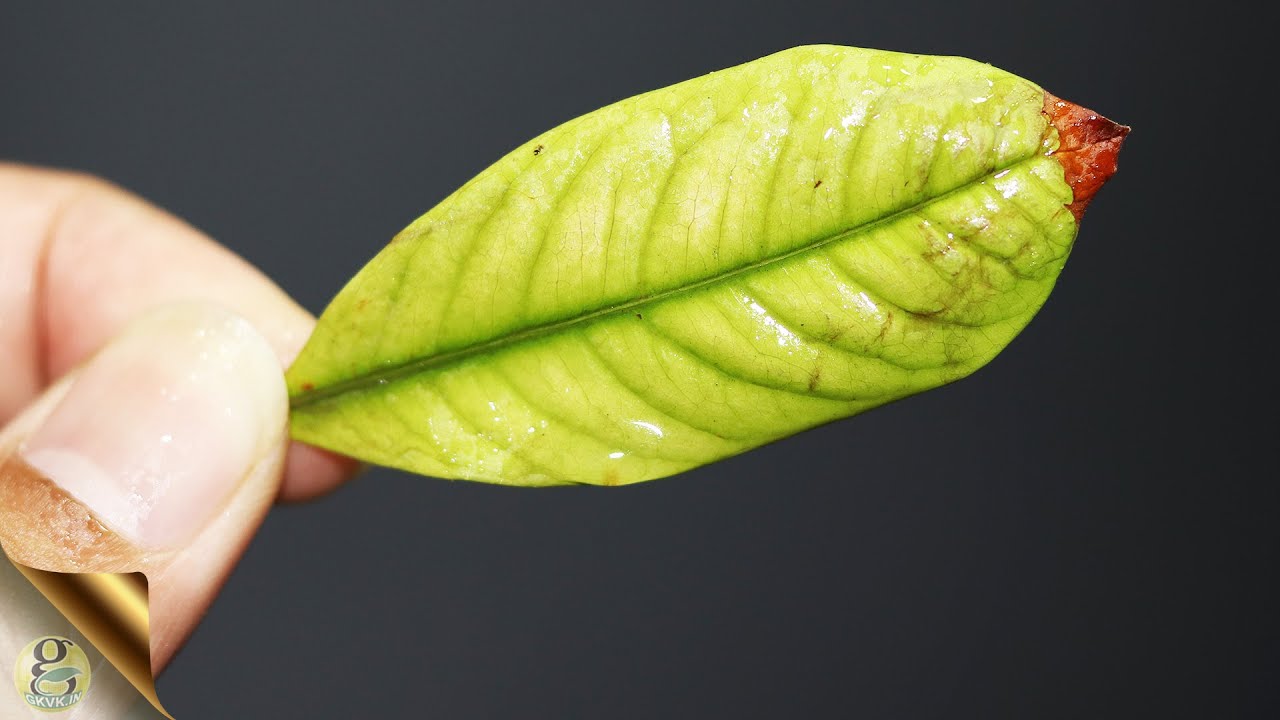
Nitrogen is a part of chlorophyll, the green pigment of the plant that is responsible for photosynthesis.
Nitrogen is usable in the forms of NO3-, NO2-, and NH3
Where does N come from
Helps plants with rapid growth, increasing seed and fruit production and improving the quality of leaf and forage crops.
Nitrogen often comes from fertilizer application whether it is industrial fertilizer or animal waste.
Bacteria can fix Nitrogen from the atmosphere (N2) into a more usable form.
Decomposition of organic matter puts nitrogen back into the soil.
Phosphorus
Like nitrogen, phosphorus (P) is an essential part of the process of photosynthesis.
Involved in the formation of all oils, sugars, starches, etc.
Helps with the transformation of solar energy into chemical energy; proper plant maturation; effects rapid growth; and, encourages blooming and root growth.
Sources of Phosphorus
Phosphorus often comes from fertilizer, bone meal, and from rock.
Phosphorus is found in rock and is therefore a function of the rock cycle.
P is in limited supply and is often a limiting factor because the rock cycle is so slow!
Phosphorus also comes from bird guano.
Potassium
Potassium is absorbed by plants in larger amounts than any other mineral element except nitrogen and, in some cases, calcium.
Helps in the building of protein, photosynthesis, fruit quality and reduction of diseases.
Potassium is supplied to plants by soil minerals, organic materials, and fertilizer.
Calcium
Calcium, an essential part of plant cell wall structure, provides for normal transport and retention of other elements as well as strength in the plant. It is also thought to counteract the effect of alkali salts and organic acids within a plant.
Sources of calcium are dolomitic lime and gypsum
Magnesium
Magnesium is part of the chlorophyll in all green plants and essential for photosynthesis. It also helps activate many plant enzymes needed for growth.
Soil minerals, organic material, fertilizers, and dolomitic limestone are sources of magnesium for plants.
Sulfur
Sulfur is essential plant food for production of protein. It promotes activity and development of enzymes and vitamins; helps in chlorophyll formation; improves root growth and seed production; helps with vigorous plant growth and resistance to cold.
Micronutrients
Boron (B)
Helps in the use of nutrients and regulates other nutrients.
Aids production of sugar and carbohydrates.
Essential for seed and fruit development.
Sources of boron are organic matter and borax
Copper (Cu)
Important for reproductive growth.
Aids in root metabolism and helps in the utilization of proteins.
Chloride (Cl)
Aids plant metabolism.
Chloride is found in the soil.
Iron (Fe)
Essential for formation of chlorophyll.
Sources of iron are the soil, iron sulfate, iron chelate.
Manganese (Mn)
Functions with enzyme systems involved in breakdown of carbohydrates, and nitrogen metabolism.
Soil is a source of manganese.
Thanks for Watching
Subscribe for More videos
like on fb: / advance-agricultural-classes-209935129434632
join our fb group: / 1600626926901456 Visit our Website: https://advanceagriclasses.com/ Follow us on Instagrame:
/ advanceagriclasses.official
Повторяем попытку...

Доступные форматы для скачивания:
Скачать видео
-
Информация по загрузке: