GOLEGÃ - A Igreja Matriz e Napoleão 🧡🧡
Автор: Portugal Profundo / Secret Portugal
Загружено: 2026-02-09
Просмотров: 51
Описание:
#portugal #travel #turismo #churches #art #travelportugal
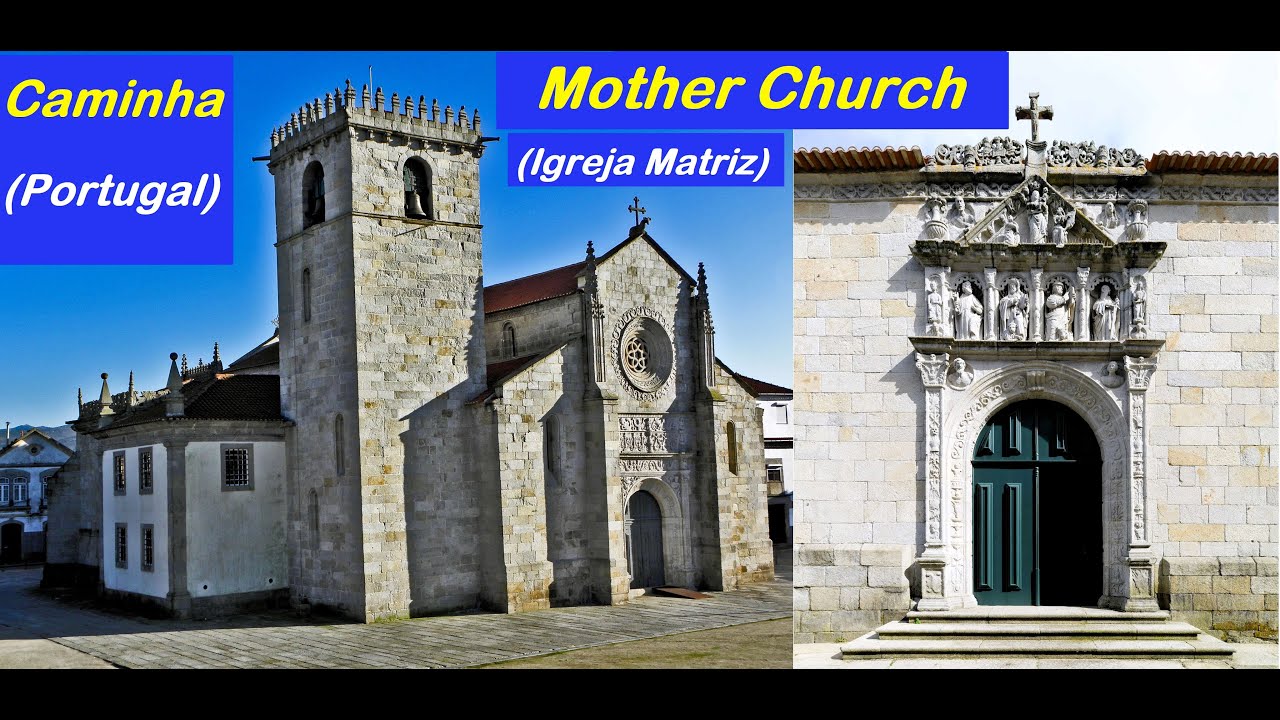
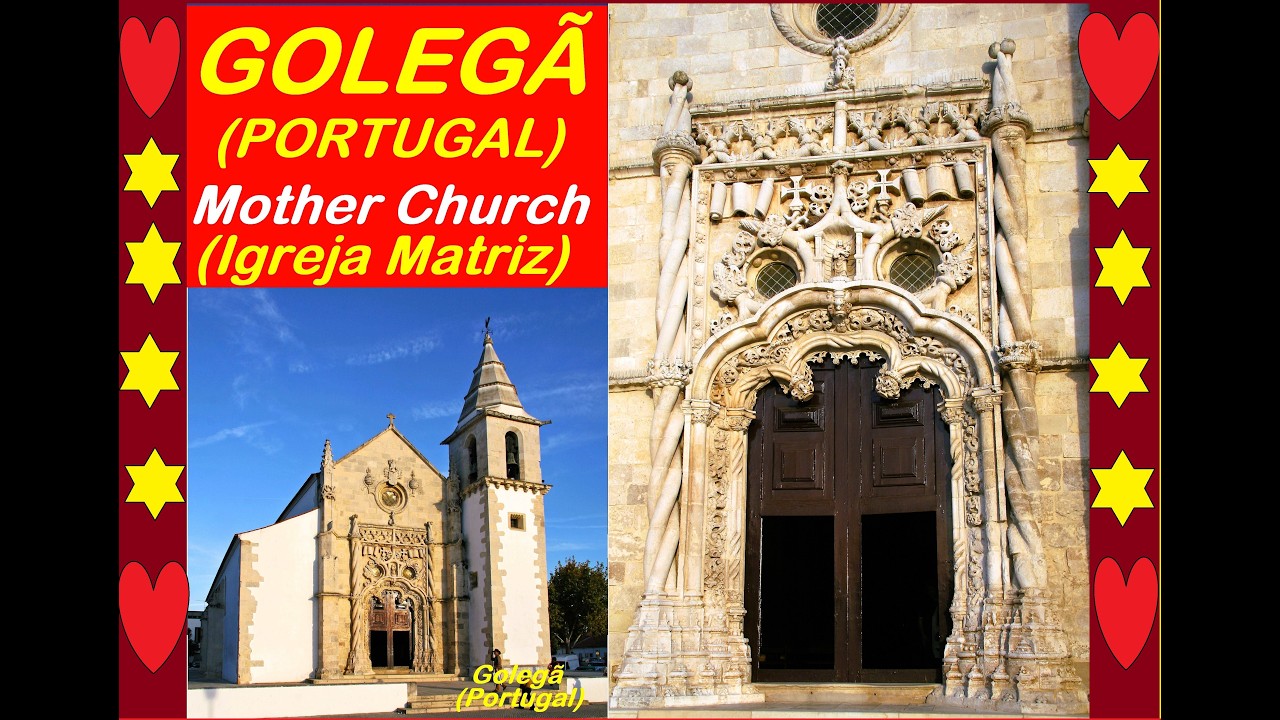
The Golegã Mother Church (also known as the Church of Nossa Senhora da Conceição) is one of the most brilliant jewels of the Manueline style in Portugal. Classified as a National Monument since 1910, its history blends faith, elite architecture, and the scars of military conflict.
1. Historical Facts and Architecture
Built in the early 16th century (circa 1500–1520) during the reign of King Manuel I, the church replaced a smaller, earlier temple.
The Manueline Portal: Its most famous feature. Attributed to Diogo de Boitaca (architect of the Jerónimos Monastery), it displays exuberant decoration with armillary spheres, the Cross of Christ, and botanical elements sculpted in Ançã stone.
Interior: It features three aisles of equal height (hall-church), providing an unusual sense of spaciousness for the period. The high choir and ribbed vaults are also notable.
Keep Tower: The bell tower has a robust, almost military appearance, reflecting the tradition of fortress-churches.
2. Damage from the French Invasions
The French Invasions (early 19th century) were particularly devastating for the Ribatejo region. During the Third Invasion (1810–1811), led by Massena, the church suffered significant damage:
Occupation and Looting: French troops often used churches as barracks, stables, or field hospitals. In Golegã, the interior was vandalized, and most of the silver, religious vestments, and valuables were stolen.
The Great Fire: The hardest blow came when French soldiers started a fire inside the church. This blaze destroyed the original gilded wood (talha dourada) altarpieces and damaged parts of the roof structure and historical furniture.
Legacy of Recovery: Due to this damage, much of what is seen today (especially the altars) dates from 19th-century reconstructions and deep 20th-century restorations aimed at returning the temple to its Manueline glory.
3. Curiosities
The "Way of St. James": The church is a crucial stop for pilgrims on the Portuguese Central Way to Santiago de Compostela.
Golegã Fair: During the National Horse Fair in November, the church serves as the town's spiritual heart and the site for the blessing of the riders (romeiros).
Summary
Location: Praça da República, Golegã.
Style: Manueline / Late Gothic.
Lead Architect: Diogo de Boitaca (attributed).
Status: Excellent condition (post-restoration).
(Pt)
Повторяем попытку...
Доступные форматы для скачивания:
Скачать видео
-
Информация по загрузке: