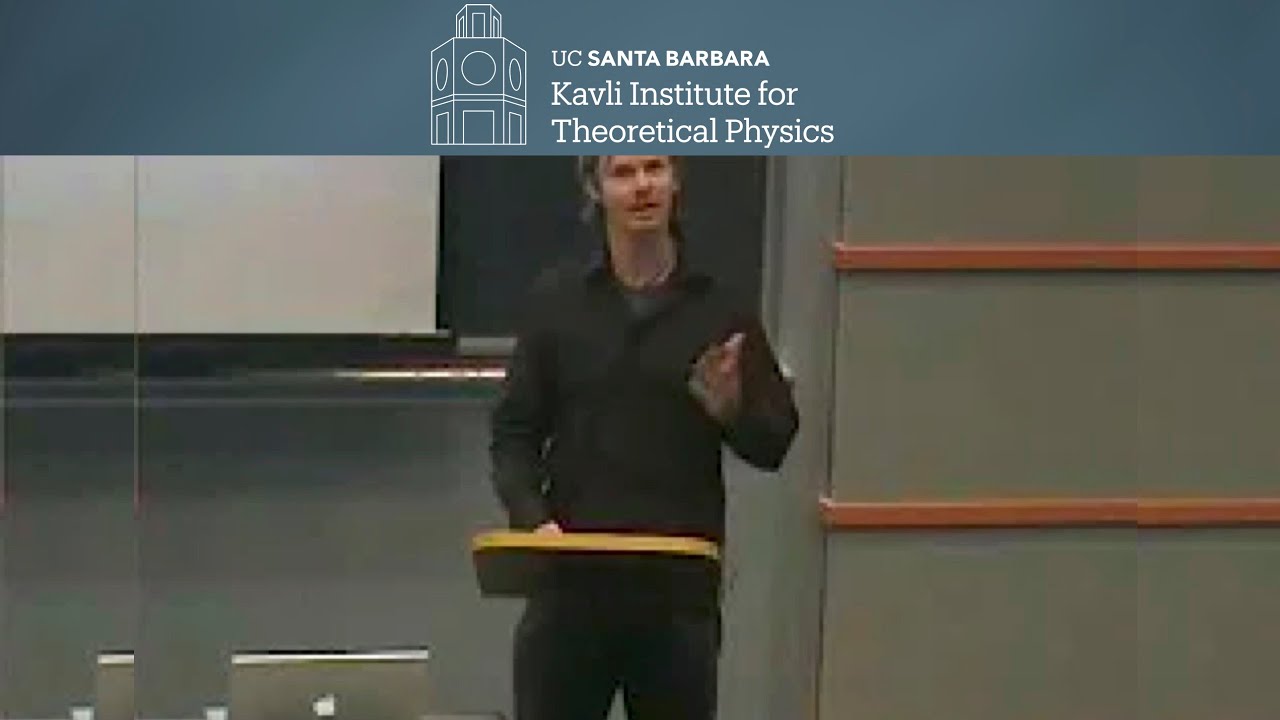
Welcome to Your Brain ▸ KITP Public Lecture by Sam Wang
Автор: Kavli Institute for Theoretical Physics
Загружено: 2020-04-28
Просмотров: 787
Описание:
KITP Public Lecture
April 6, 2008
Welcome to Your Brain: Why You Lose Your Car Keys but Never Forget How to Drive and Other Puzzles of Everyday Life
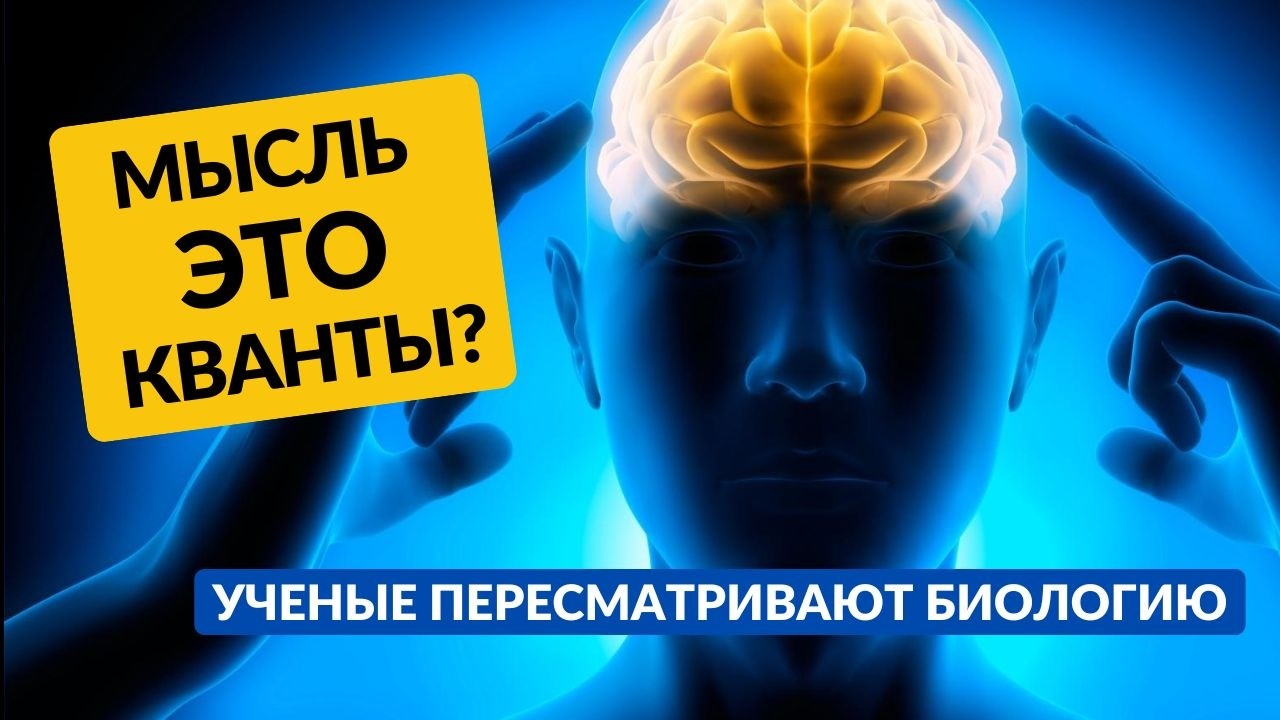
People get many ideas about how their brains work from entertainment or folk wisdom, such as the idea that we use only 10 percent of our brains. But many of these statements are myths. Does playing Mozart to a baby really make her smarter? Does drinking alcoholic beverages really kill brain cells? I will address how neuroscience research has proved many of these ideas to be wrong. The facts are more illuminating about how our brains work -- and often, more useful.
Sam Wang is an associate professor of molecular biology and neuroscience at Princeton University. He graduated with honors in physics from the California Institute of Technology and holds a doctorate in neuroscience from Stanford University School of Medicine. His career includes research at Duke University Medical Center and at Bell Labs Lucent Technologies, and science and education policy work for the Senate Committee on Labor and Human Resources. He is a W.M. Keck Foundation Distinguished Young Scholar and an Alfred P. Sloan Fellow. He has written over forty scientific articles on the brain, and is co-author of the book Welcome to Your Brain. His research interests are far-ranging and include cellular learning mechanisms, brain evolution, and the development of optical tools for probing the brain. His current research focuses on the cerebellum, a brain region that coordinates sensation, movement, and higher cognition.
__________________________________
Learn more at: https://www.kitp.ucsb.edu
Follow @KITP_UCSB for updates on Twitter: / kitp_ucsb
__________________________________
The position of the KITP is that ownership and copyright of all online material -- slides, text, audio, video, and podcasts -- belongs to the author. KITP is providing dissemination for these materials but does not claim ownership. Any person citing these materials for scholarly purposes should provide an appropriate scholarly reference.
Повторяем попытку...
Доступные форматы для скачивания:
Скачать видео
-
Информация по загрузке: